One of the most common questions when planning a trip to Ca Mau is "which month is best to visit?" The answer depends on what you want to experience: exploring Ca Mau Cape, visiting U Minh Forest, or island hopping to Con Dao, Nam Du. This article will provide a detailed breakdown of each month to help you choose the perfect time.
1. Ca Mau Climate Overview
Ca Mau is located in a tropical monsoon region, with two distinct seasons:
Dry Season (November — April)
Little rain, beautiful sunshine, clear blue skies. Average temperature 27–32°C. River water is clear and low, Ca Mau Cape's alluvial flats are most visible. This is Ca Mau's main tourist season.
Rainy Season (May — October)
Afternoon and night rain, not all-day rain. Temperature 25–30°C, cooler. Greener forests, higher water levels, fewer tourists — tour prices often decrease.
A major difference compared to Da Lat or Hoi An: Ca Mau has no cold winter, never experiencing temperatures below 20°C. You can travel year-round, with only differences in experience.
2. January–April: Dry Season — Most Ideal
Overall Rating: ⭐⭐⭐⭐⭐ (Excellent)
Especially February–April is the peak of Ca Mau's tourist season
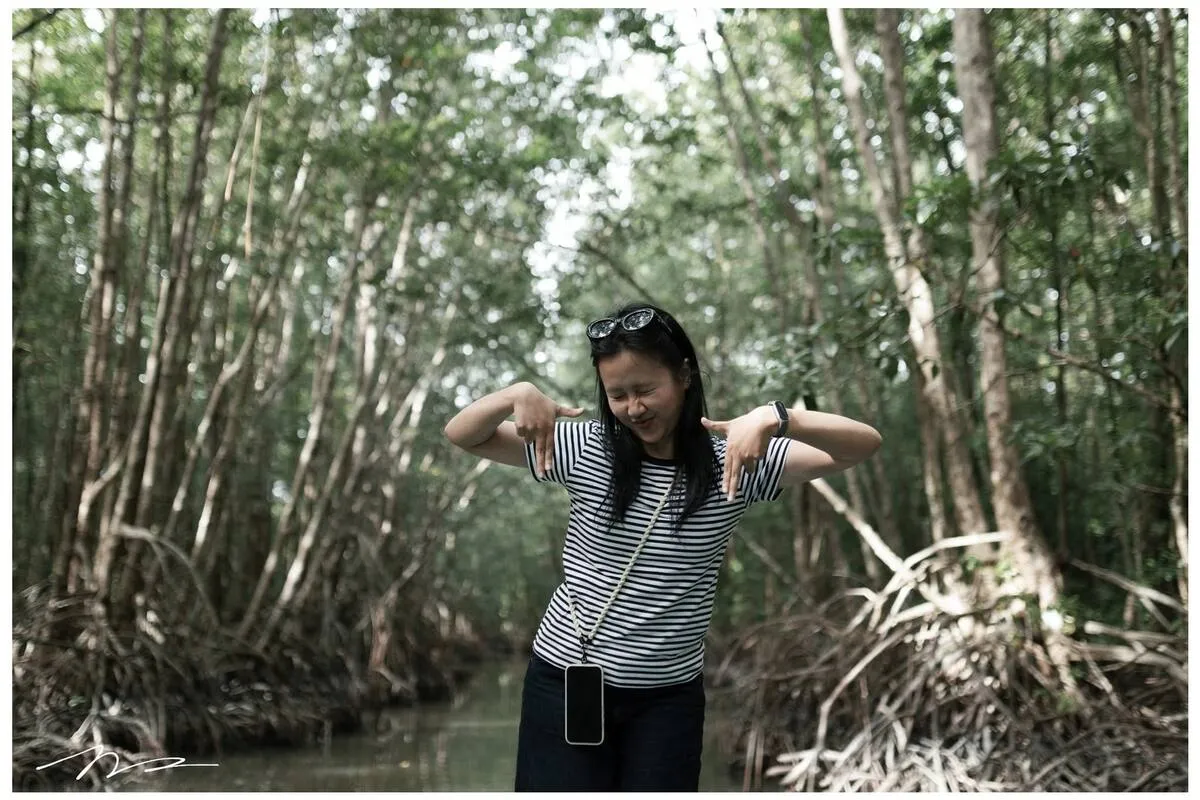
Ca Mau Cape: The sea is clearest, the alluvial flats are most beautiful, no fear of sudden rain. The golden morning sun shining through the mangrove forests creates an unforgettable magical landscape.
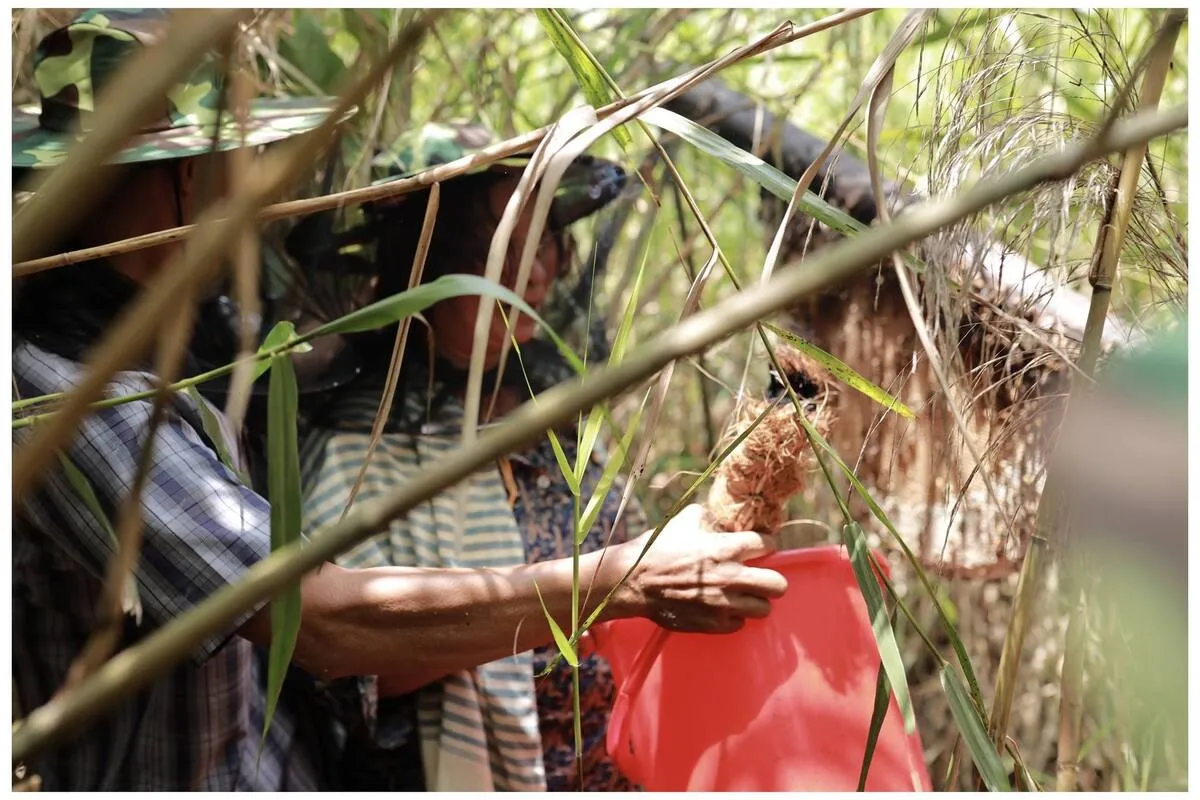
U Minh Ha: This is when bees produce the most honey. Melaleuca flowers bloom white across the forest, attracting millions of bees to build their nests. Honey from February–April is the sweetest and most fragrant of the year. Low canal water makes it easy to paddle and see the bottom.
Islands: Calm seas, clear skies, suitable for visiting Con Dao and Nam Du. January–March is the best season for Con Dao with emerald green waters and sea turtles laying eggs. See more about Ca Mau weather by month for detailed planning.
3. May–August: Early Rainy Season
Rating: ⭐⭐⭐⭐ (Good) — May–June | ⭐⭐⭐ (Average) — July–August
May–June: Still a good time to go — rain mainly in the afternoon, mornings are beautiful. Forests are greener after the first rains of the season. Tour prices often decrease by 10–20% compared to peak season. Ideal for those taking a 4D3N Mekong Delta tour due to varying river flood levels creating beautiful scenery.
July–August: Consider carefully — rough seas, boats to Con Dao and Nam Du are often delayed/cancelled. Ca Mau Cape and U Minh Ha are still accessible but rain gear is needed. Suitable for those who enjoy exploring the wilderness and don't mind the rain.
4. September–December: Year-End — Tet Tours & Islands
Rating: ⭐⭐⭐⭐ (Good) — November–December are especially beautiful
September–October: Still some rain but gradually decreasing. Canal water levels are high, making boat trips smooth and easy. Fewer tourists, good prices — suitable for backpackers who enjoy authentic experiences.
November–December: Beginning of the new dry season — cool climate, blue skies, starting to get crowded. This is an ideal time to book Tet tours early (1–3 months before Lunar New Year). Con Dao and Nam Du begin their best season.
5. Which Months to Avoid?
Consider carefully: July–August
- Sea waves level 4–6, boats to Con Dao, Nam Du are frequently cancelled
- More rain, which may affect Ca Mau Cape itinerary
- However, if only visiting Ca Mau Cape and U Minh Ha (no islands), it's still feasible
- It's advisable to book tours with flexible cancellation policies if traveling during this season
6. Special Festivals by Month
Lunar New Year (Tet): Ca Mau flower market, specialty fairs, vibrant Southern Tet atmosphere. This is also the season for the best Nam Can crabs (crabs are fattest before Tet).
Nghinh Ong Festival: The largest fishing festival in the Mekong Delta at Song Doc, Ca Mau — rituals to welcome the Whale God (Ông) ashore, palanquin processions, and unique folk art performances.
Hung Kings' Commemoration Day (10th day of 3rd lunar month) & April 30th–May 1st: Peak Ca Mau tour season, book 2–3 weeks in advance. Best weather of the year, stunning scenery.
Vu Lan Festival (15th day of 7th lunar month): Many pagodas in Ca Mau organize special festivals, releasing floating lanterns on the river — an extremely romantic sight.
National Day September 2nd: Short Ca Mau tours (2–3 days) are very popular. Weather starts to cool down after the peak rainy season.
7. Suggested Tours by Season
| Month | Suggested Tour | Reason |
|---|---|---|
| 1–4 | Ca Mau Cape + U Minh Ha + Con Dao | Best time of year, abundant honey, calm seas |
| 5–6 | 4D3N or 5D4N Mekong Delta Tour | Green forests, fewer tourists, good prices |
| 7–8 | Ca Mau Cape + U Minh Ha (no islands) | Avoid rough seas |
| 11–12 | Con Dao + Nam Du + Ca Mau Tet Tour | Best sea conditions, book early before Tet |
Frequently Asked Questions
When should I visit Ca Mau Cape?
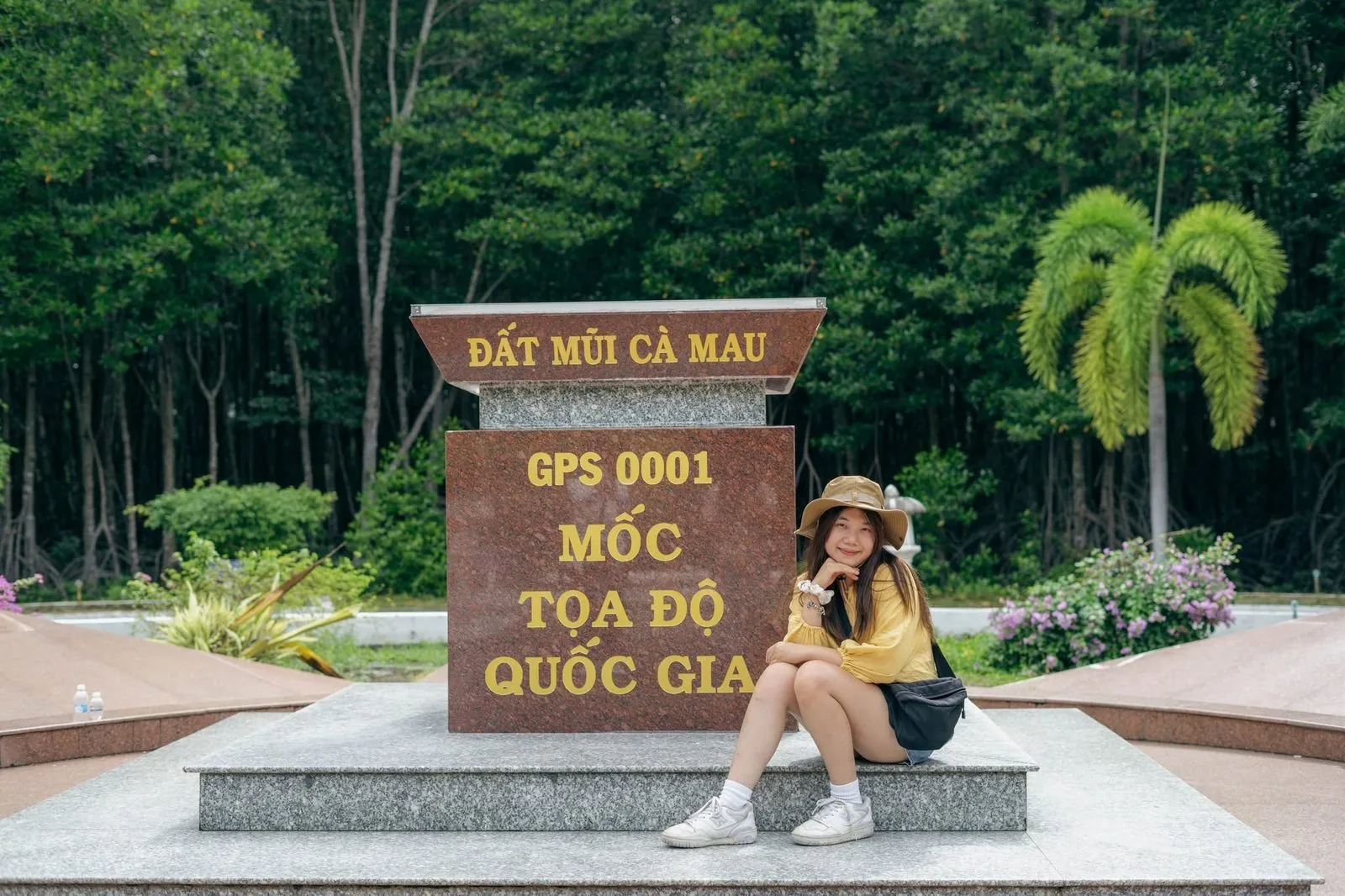
The best time is November–April (dry season). Especially February–March is peak: calm sea, beautiful mangrove forests, no rain. Avoid July–August when the sea is rough, you might not be able to reach Dat Mui.
Can I visit Ca Mau during the rainy season?
Yes — especially May–June and September–October are still very good. Rain in Ca Mau mainly occurs in afternoon showers, mornings are usually dry. The rainy season has advantages: greener forests, fewer tourists, tour prices reduced by 15–20%. Only avoid island tours (Con Dao, Nam Du) from June–September.
Is Ca Mau cold in December?
No — Ca Mau does not have a cold season. In December, temperatures range from 26–31°C, with dry, sunny weather. This is one of the best months to visit Ca Mau. A light jacket for evenings on the speedboat is sufficient.
Can I visit Ca Mau during Lunar New Year (Tet)?
Yes — Tet is a beautiful time to visit Ca Mau (dry season, good weather). However, you need to book tours and bus tickets 3–4 weeks in advance as it gets very crowded. Tet also offers the festive atmosphere of flower markets and special Southern Tet delicacies.
Ask Anh Bi for a Suitable Departure Schedule
Tell us which month you want to go, and Anh Bi will advise on the best tours and itineraries!
Related Articles



Written by
Tran Bi (Founder of Ba Ngoai Homestay)
Tran Bi is a local tourism expert with over 10 years of experience guiding visitors through Cape Ca Mau and the U Minh mangrove forests.
Experience Ca Mau Ecotourism Firsthand
Join our local guides to explore the mangrove forests, catch mud crabs, harvest wild honey, and stay at our cozy homestay.