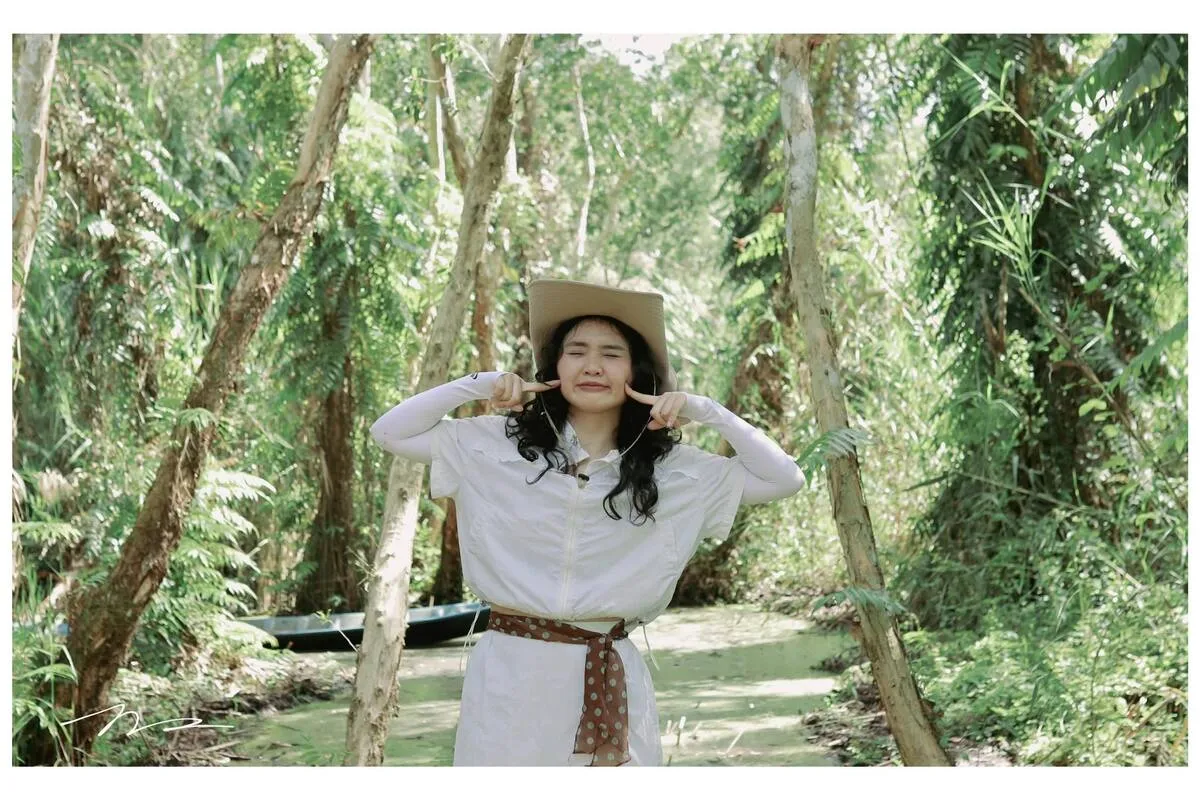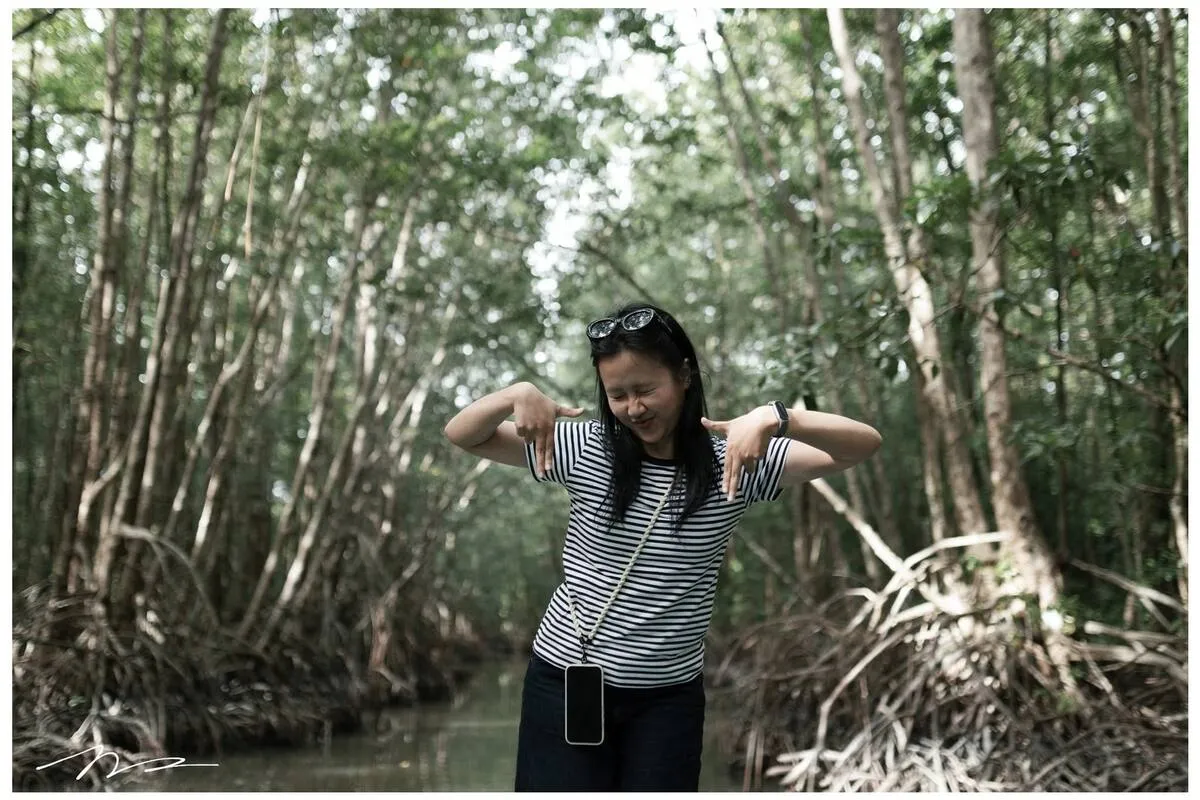
Ca Mau Cape — the southernmost point of Vietnam — is one of the most unique destinations in Vietnam that everyone should visit at least once in their lifetime. It's not just about checking in at the GPS 0001 milestone; it's also a journey by canoe through lush green mangrove forests, admiring the natural accretion beach that expands into the sea every day. As a tour guide with over 10 years of experience in this region, Mr. Bi (Bà Ngoại Homestay) shares all his tips to make your trip truly complete.
1. Where is Ca Mau Cape? Why is it Special?
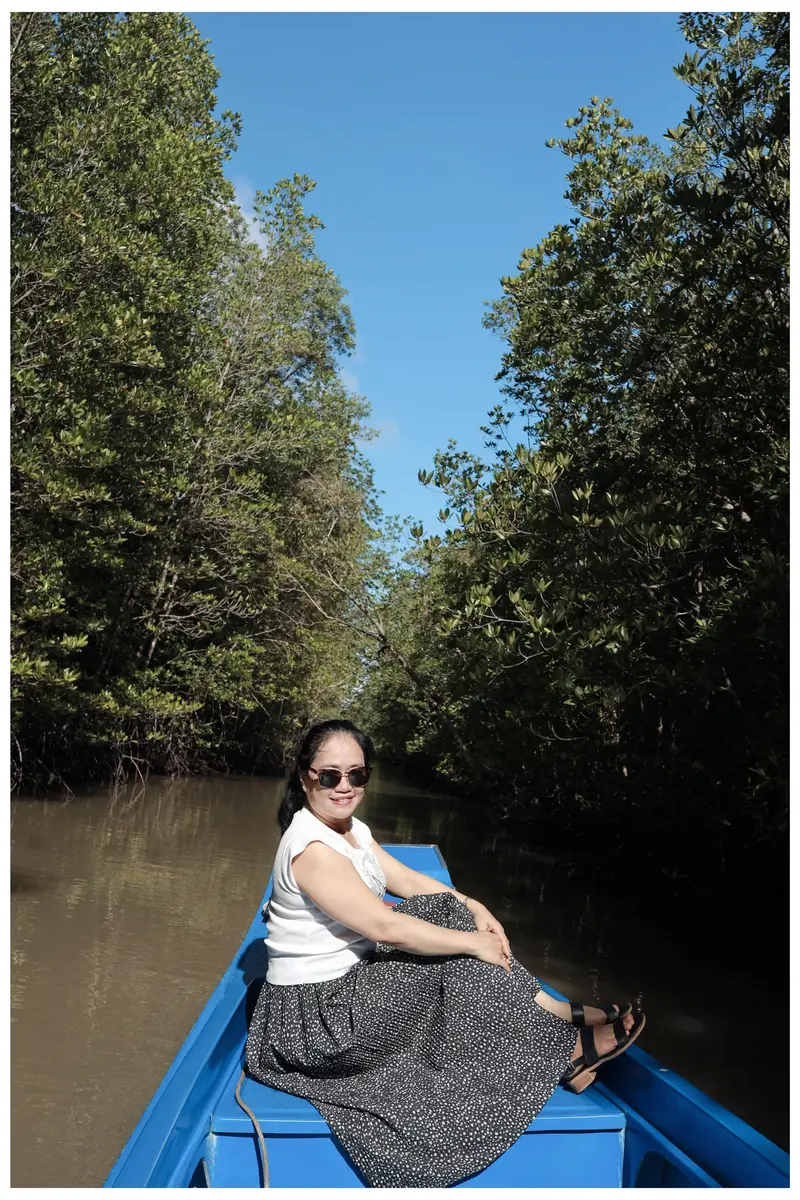
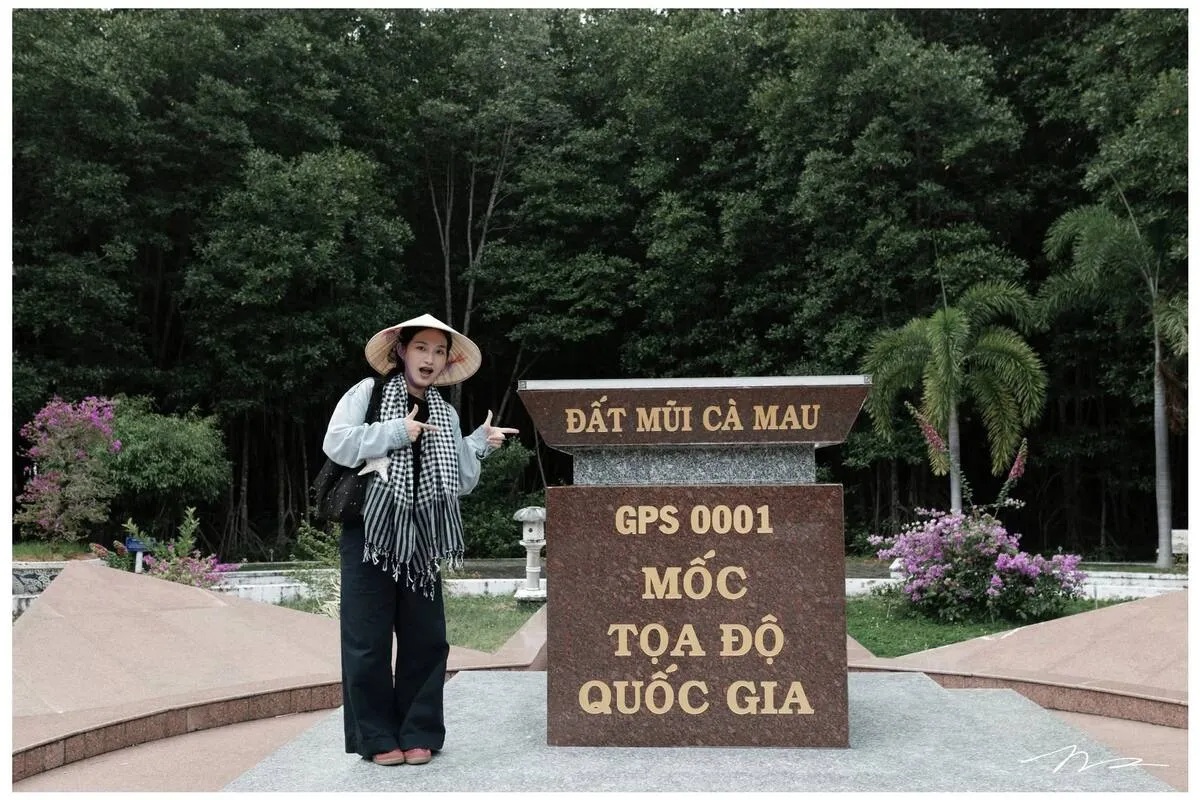
Ca Mau Cape is located in Dat Mui Commune, Ngoc Hien District, Ca Mau Province — this is the southernmost point of mainland Vietnam. The GPS 0001 milestone placed here marks the most important geographical coordinate of the country. Unlike any other region, Ca Mau Cape is the only place in Vietnam where you can watch the sunrise from the East Sea and the sunset into the West Sea on the same day. If you're wondering if Ca Mau has a beach, the answer is yes — a coastline over 254km long bordering both the East Sea and the Gulf of Thailand.
What's even more special: the Ca Mau Cape accretion beach is expanding by 50 to 80 meters each year due to the Mekong River's alluvial deposits. This means the country is continuously growing day by day in this place. The feeling of standing at the southernmost point, looking out at the vast sea, fills one with an indescribable sense of pride — an experience that no other place can replace.
Ca Mau Cape National Park was recognized by UNESCO as a World Biosphere Reserve in 2009. The mangrove forest ecosystem here is one of the largest and most pristine mangrove forests in Southeast Asia, home to hundreds of species of birds, fish, shrimp, and crabs.
2. When is the Best Time to Visit Ca Mau Cape?
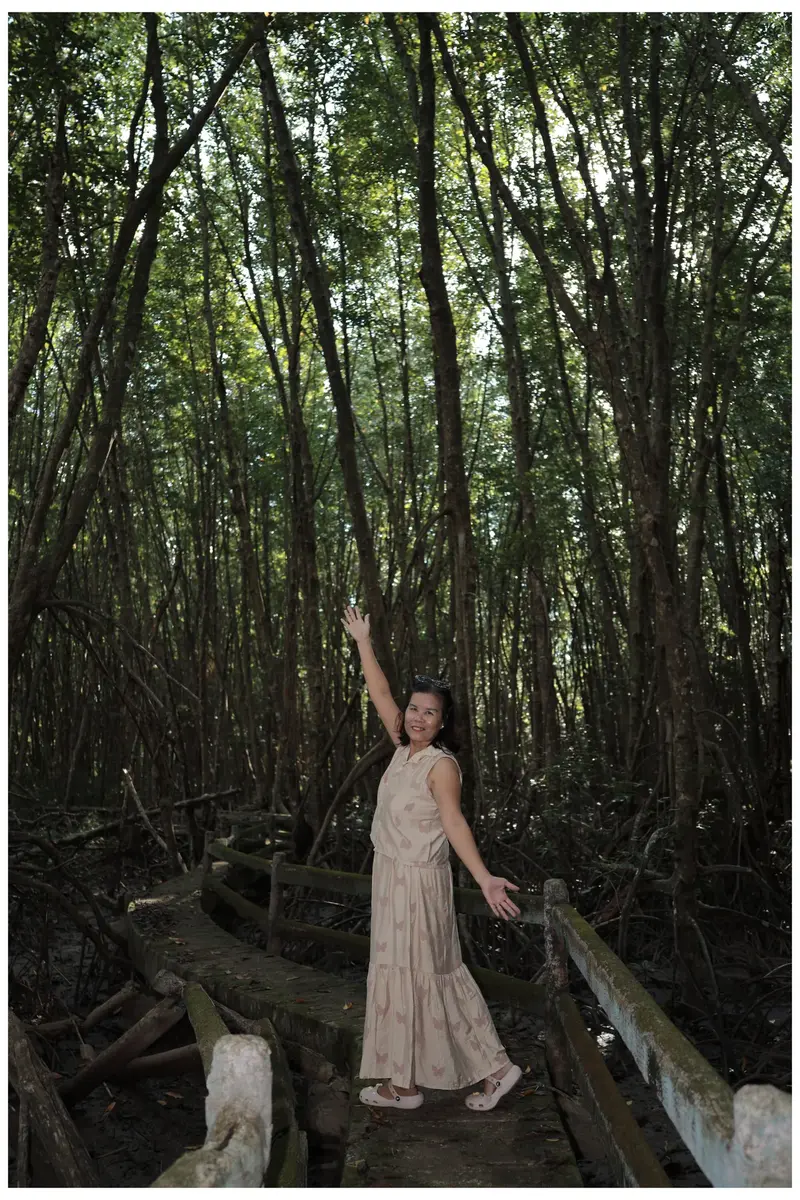
This is the most frequently asked question, and the clear answer is: February to April is the ideal time. This is Ca Mau's dry season, with beautiful sunshine, clear water, dry and easy forest paths, and the accretion beach most visible at low tide. The early morning light during this season is exceptionally beautiful for photography. See more details in the article Best Season to Visit Ca Mau.
Monthly Schedule:
- February–April: Best time — dry season, beautiful accretion beach, clear sea water, no rain
- May–June: Still good — occasional afternoon rain, beautiful mornings
- July–August: Avoid — heavy rain, big waves, canoes might not be able to go out
- September–November: Lush green rainy season, fewer tourists, suitable for those who prefer wild nature
- December–January: Quite good — near Tet holiday, crowded, should book early
No matter when you go, remember to depart early in the morning (from Ca Mau City at 7 AM–8 AM). The best light at the Cape is from 9 AM–11 AM and after 3 PM. Absolutely avoid staying during midday when the sun is strongest.
3. What to Prepare for Your Trip to Ca Mau Cape?
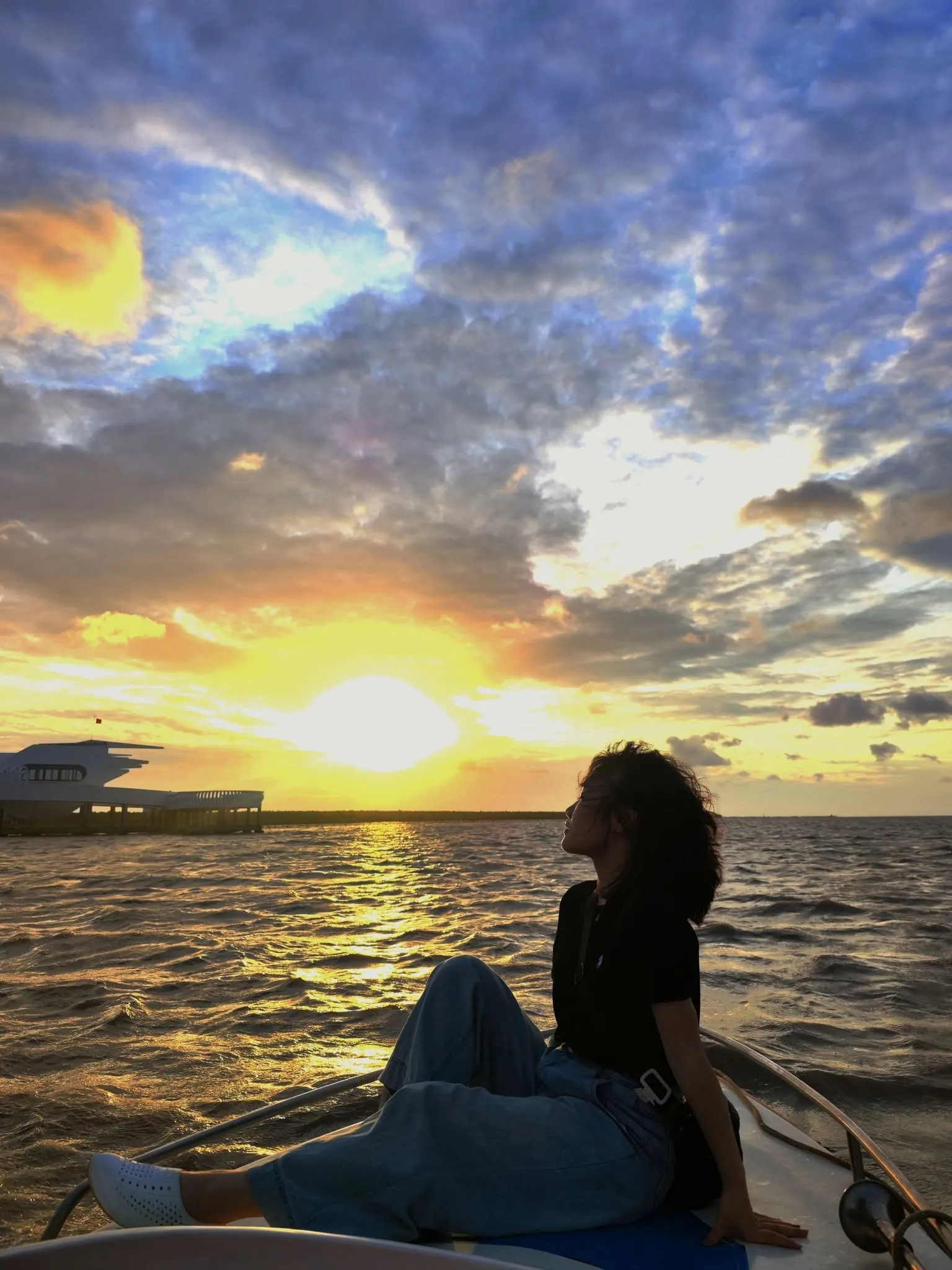
Here is a list of things Mr. Bi advises all tourists to prepare before setting foot in the Cape:
Must-haves
- Sunscreen SPF50+ (apply generously, reapply every 2 hours)
- Sturdy sandals or sports shoes
- Sun-protective jacket, wide-brimmed hat
- Good camera or smartphone for photos
- Waterproof zip bag for electronics when on the canoe
- Motion sickness medication if prone to seasickness
Recommended to wear/bring
- Ba Ba shirt (homestay provides for free)
- Light, breathable, easy-to-move-in pants
- Enough drinking water (cannot buy on the canoe)
- Cash (some shops don't accept cards yet)
- Personal trash bag (to protect the environment)
- Power bank for your phone
4. Suggested 1-Day Itinerary at Ca Mau Cape
This is the standard itinerary that Bà Ngoại Homestay applies for its 1-day tour, optimized over hundreds of trips:
Vehicle picks up in Cà Mau City to depart for Đất Mũi
Listen to the tour guide share stories about the history and geography of the southernmost land of Vietnam.
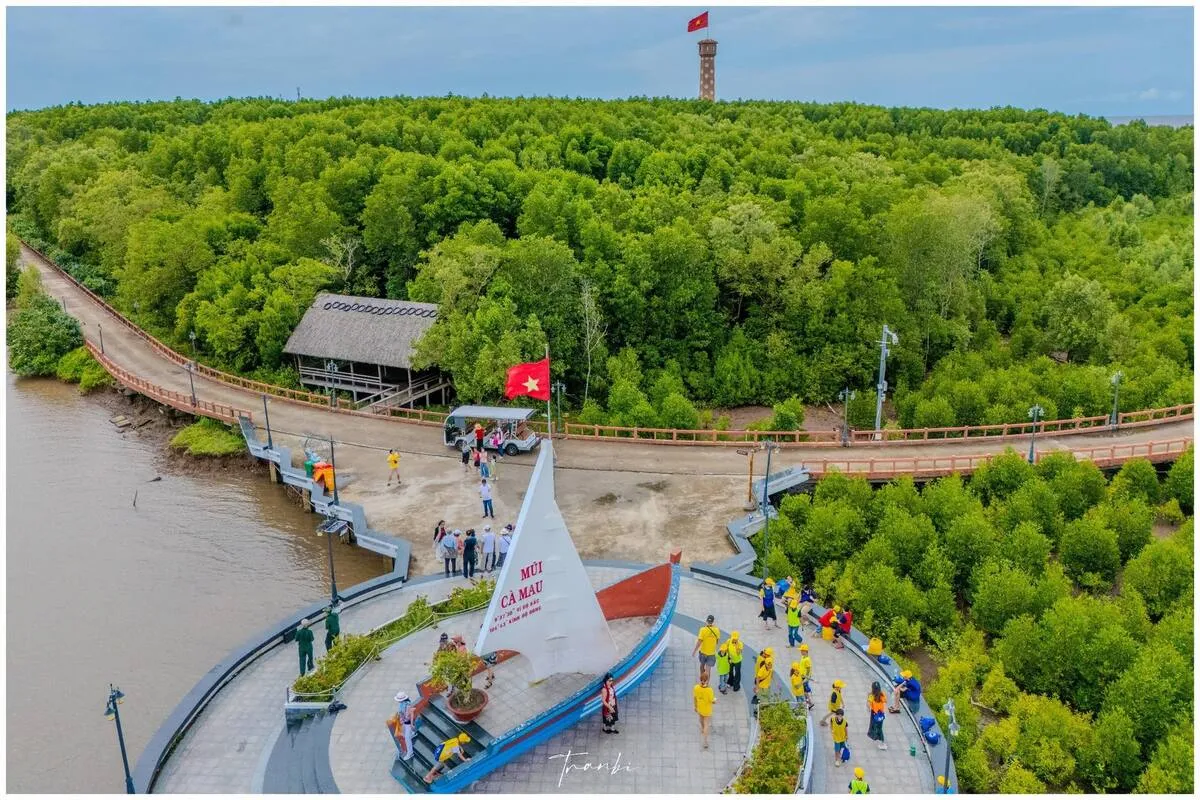
Explore Mũi Cà Mau National Park — Check-in at the end point of Ho Chi Minh Road
Take photos at the GPS 0001 National Coordinate Landmark. Climb the replica Hanoi Flag Tower.
Electric car takes you to the Ship symbol (Mũi Tàu)
Experience the wooden forest boardwalk. Take photos with the Cà Mau Crab monument.
Lunch at Dat Mui community restaurant
Enjoy a rich Southern delta menu featuring typical Dat Mui seafood specialties.
Mangrove Forest Experience — Canoe/wooden boat ride to view oyster farms
Wind through lush green mangrove forests. Check-in at the Cà Mau Cape accretion mudflats.
Return to Cà Mau City / Homestay. End of tour
The vehicle takes you back to your original pickup point, concluding an unforgettable journey to the southernmost tip of Vietnam.
5. Estimated Costs
Tour costs depend on the number of people and whether you choose to go through the mangrove forest. Below is a reference price list from Bà Ngoại Homestay. For a more detailed budget plan, see the article Ca Mau Travel Costs:
| Number of guests | With mangrove forest canoe (recommended) | Without mangrove forest canoe |
|---|---|---|
| 2 guests | 1,690,000 VND/guest | 1,290,000 VND/guest |
| 3 guests | 1,390,000 VND/guest | 1,090,000 VND/guest |
| 4–6 guests | 1,090,000 VND/guest | 890,000 VND/guest |
| 7–12 guests | 990,000 VND/guest | 890,000 VND/guest |
Prices include: Tourist car, boat/canoe, specialty lunch, entrance fees, electric car tickets, tour guide, bottled water. Excludes: additional drinks, souvenirs, specialty purchases.
6. Best Photo Tips at Ca Mau Cape
This is the most frequently asked section, especially for content creators or those wanting beautiful photos for Instagram/TikTok. The article Ca Mau Photo & Vlog Tips provides more comprehensive guidance on equipment, angles, and post-production:
- 📸Golden hour: 6 AM–8 AM offers the best light — soft, warm yellow sunlight, no harsh shadows. Absolutely avoid shooting between 10 AM–2 PM due to strong, bright sun.
- 🌿Mangrove forest boardwalk: The best angle is standing in the middle of the bridge looking out to the sea, with mangrove forests on both sides. Use a wide-angle lens or your phone's ultra-wide angle.
- 🌊Accretion beach at low tide: This is the most unique angle — the shining mud reflects the sky like a mirror. You'll need to wear boots or roll up your pants high.
- 🚤On the canoe: Use a GoPro or waterproof action cam, turn on stabilization mode. Hold your camera firmly as waves can cause equipment to fall.
- 👗Ba Ba shirt: The homestay provides these for free — this is a traditional Southern Vietnamese outfit, wearing it will make your photos more soulful and authentically local.
Reference Sources
To maintain absolute accuracy, scientific integrity, and respect for copyright, the geographical and environmental facts in this guide have been cross-referenced with the following official resources:
- Ca Mau Cape National Park Management Board: Scientific monitoring reports on mangrove eco-restoration and mudflat accretion dynamics.
- Ca Mau Province Official Portal (camau.gov.vn): Regional administrative demographics and geographic studies of Ngoc Hien district.
- Decision No. 142/2003/QD-TTg of the Prime Minister (Vietnam): Executive decree establishing Ca Mau Cape National Park on the basis of Dat Mui Nature Reserve.
- Ramsar Convention Secretariat (ramsar.org): Official sheet of Ca Mau Cape National Park as the 2086th Ramsar site globally (5th in Vietnam).
- Vietnam National Committee for Man and the Biosphere Program (MAB): Documentation on the Mui Ca Mau World Biosphere Reserve designation (2009).
7. Frequently Asked Questions
Do I need to book in advance for Ca Mau Cape?
It's advisable to book at least 2–3 days in advance, especially during holidays like Tet, April 30th, and September 2nd. Mr. Bi will arrange transportation, boats, and restaurants beforehand to ensure quality. Book via Zalo 0919 244 834 or the form on the website.
Can children go?
Children aged 5 and above can go. For children under 5, it's worth considering as the canoe ride might be intense. Children receive a 30–50% discount depending on age. Families with many members often choose private groups for flexible itineraries.
Does the tour include life jackets and safety equipment?
Yes. All boats and canoes are fully equipped with life jackets and comply with port authority safety regulations. All tour guides are trained in basic first aid.
Can I combine Ca Mau Cape with U Minh Ha in one day?
It's not recommended due to the long distance; it will be very tiring, and you won't have enough time to experience both. It's better to book a 2-day/1-night or 3-day/2-night tour to explore both destinations properly.

Written by
Tran Bi (Founder of Ba Ngoai Homestay)
Tran Bi is a local tourism expert with over 10 years of experience guiding visitors through Cape Ca Mau and the U Minh mangrove forests.
Experience Ca Mau Ecotourism Firsthand
Join our local guides to explore the mangrove forests, catch mud crabs, harvest wild honey, and stay at our cozy homestay.