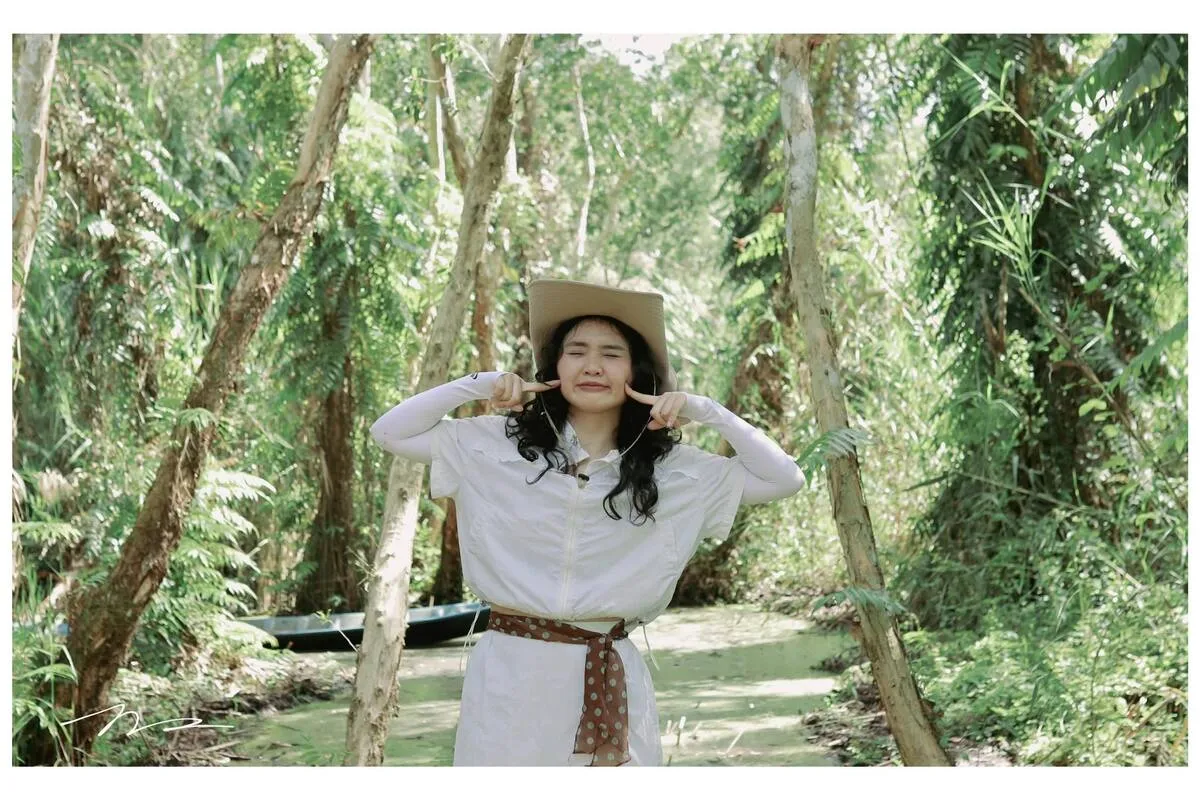
Ca Mau is the only province in Vietnam that simultaneously possesses two large National Parks within a UNESCO-recognized World Biosphere Reserve. However, these two lands carry completely contrasting characteristics in soil, ecosystem, and indigenous culture. On one side is Ca Mau Cape National Park, representing the mangrove ecosystem of the East Sea - West Sea; on the other is U Minh Ha National Park, characterized by the inland alum-swamped melaleuca forest ecosystem. The following article will provide the most in-depth and scientific perspective to help tourists easily choose an appropriate journey.
1. Geographical Features, Soil & Climate
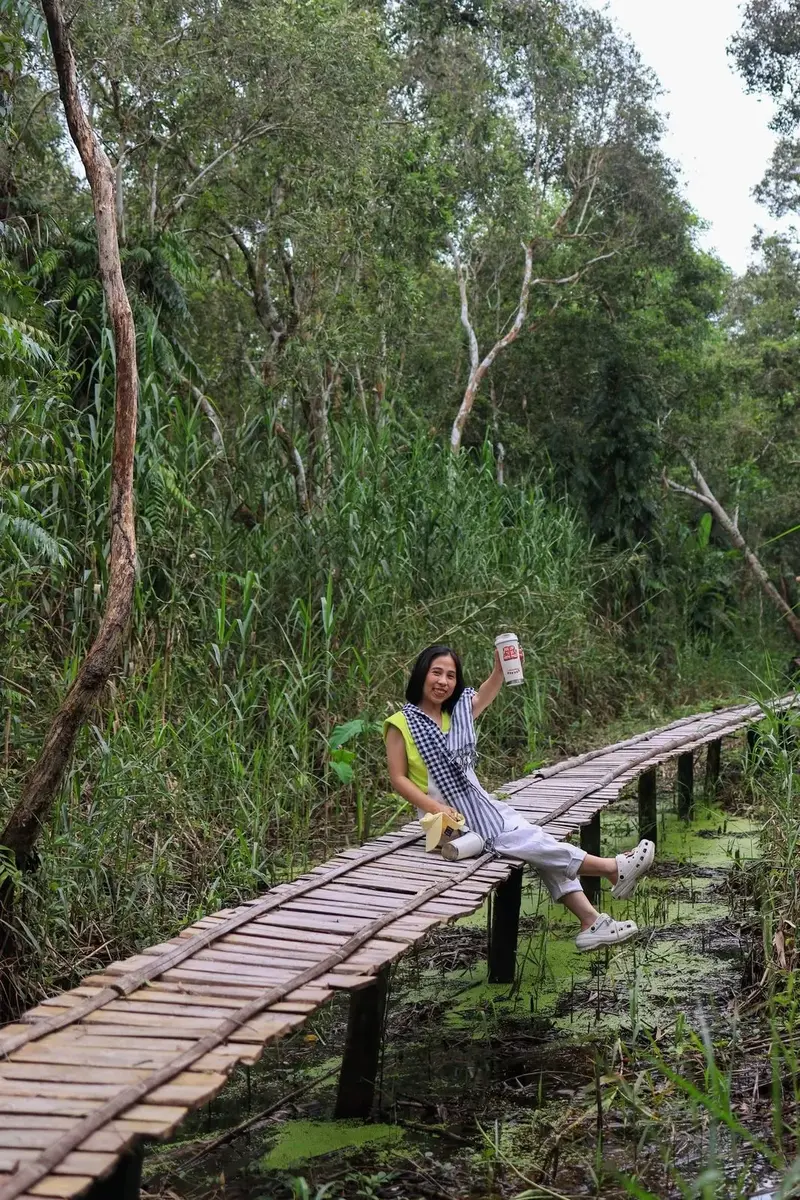
The core difference that creates these two contrasting natural landscapes stems deeply from the geological and soil structure:
- Ca Mau Cape National Park: Located bordered by the sea on three sides (Ngoc Hien district), the terrain here is continuously formed through the accretion of alluvium from the East Sea and the Gulf of Thailand. The muddy soil base extends out to sea tens of meters every year. The climate is deeply maritime, windy and highly saline all year round.
- U Minh Ha National Park: Located deep inland (stretching across U Minh and Tran Van Thoi districts), the soil here is low-lying alum soil with a thick peat layer from 0.5m to over 1.5m accumulated over thousands of years under the fallen leaves of the melaleuca forest. The climate is calmer, with a dry season prone to forest fires and a rainy season with flooding.
2. Ecosystem and Biodiversity
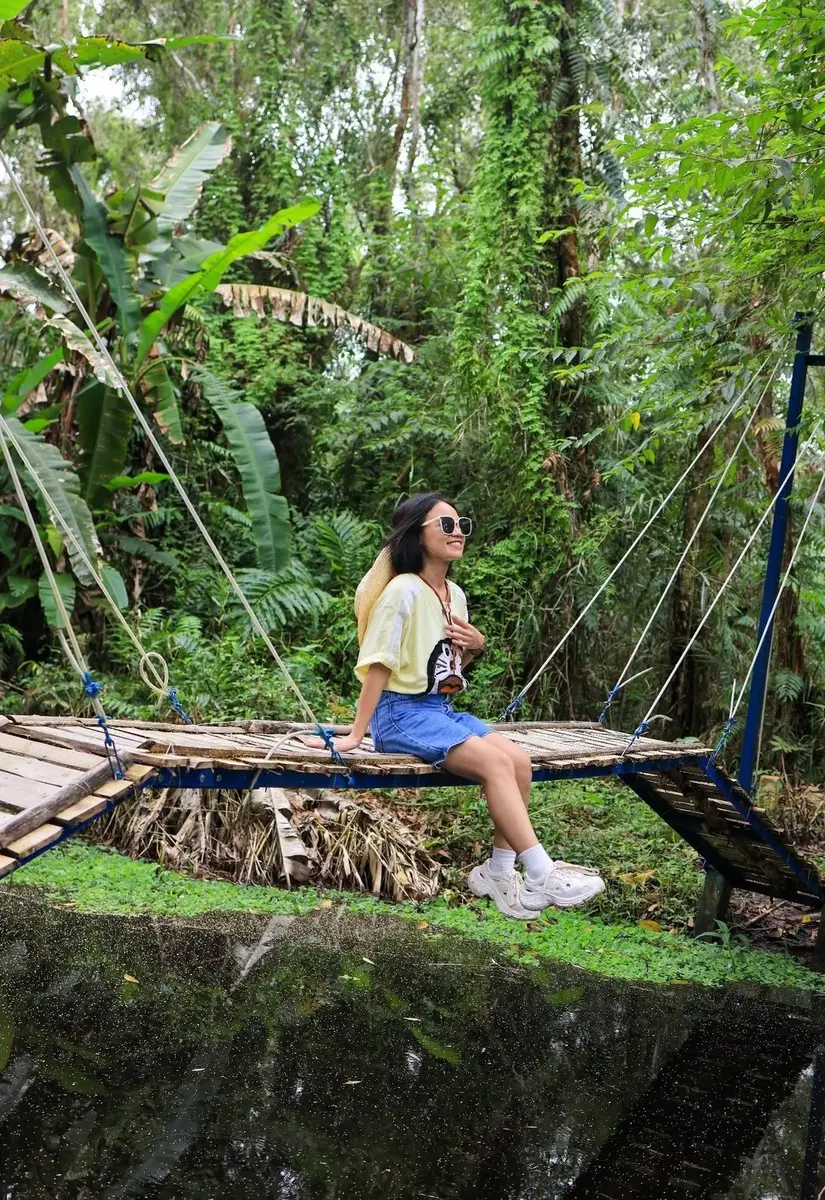
Due to the different soil structures, the flora and fauna in the two national parks also evolve in two completely separate directions:
| Comparison Criteria | Ca Mau Cape NP (Mangrove) | U Minh Ha NP (Alum Swamp) |
|---|---|---|
| Typical Forest Type | Primary coastal mangrove forest. | Wet alum melaleuca forest on peat land. |
| Dominant Flora | Rhizophora apiculata (Duoc), Avicennia (Mam), Coc, Su trees. | Melaleuca cajuputi (Tram), Mop trees, Choai vines, reeds. |
| Notable Fauna | Mudskipper, Nam Can red-roe crab, river clams, mudflat migratory birds. | Wild honey bees, snakehead fish, yellow catfish, reticulated python, cobra, box turtle. |
| Conservation Title | Vietnam's 5th Ramsar Site, World Biosphere Reserve. | World Biosphere Reserve (melaleuca forest ecological core zone). |
3. Intangible Cultural Heritage and Local Life
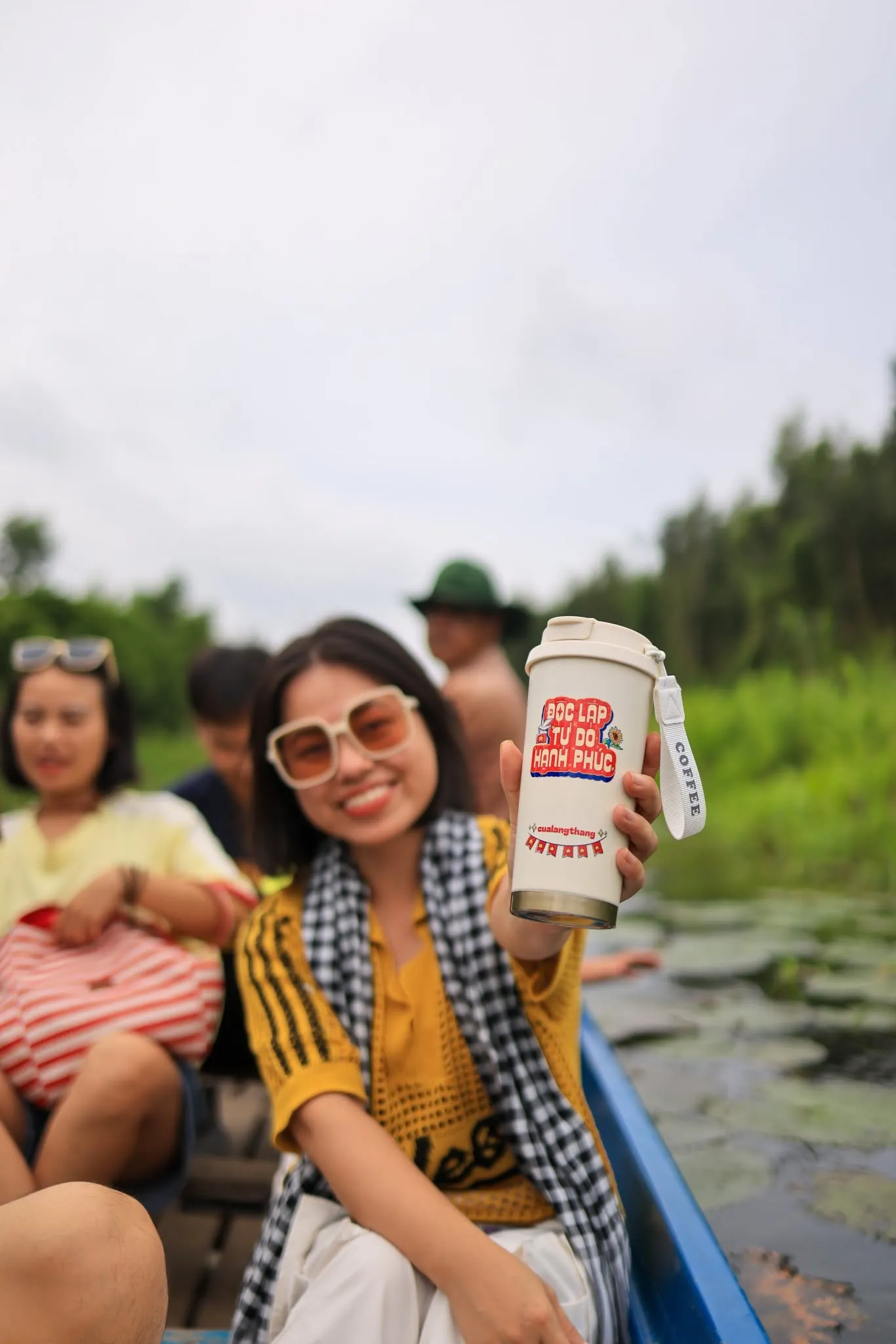
People living around the conservation boundaries of both national parks have adapted and built incredibly unique intangible cultures to coexist harmoniously:
- At Ca Mau Cape NP (Ngoc Hien): Associated with coastal life and aquaculture under the vast canopy of mangrove forests. The main means of transport is high-speed motorboats navigating through large coastal canals. The generous culture of land reclamation is tied to the heroic Ho Chi Minh Trail on the Sea historical relic.
- At U Minh Ha NP (U Minh & Tran Van Thoi): Associated with specific forest professions such as **bee raftering** (a national intangible cultural heritage), bee foraging, eel catching, and snakehead fishing. This is also the cradle of folk storytelling culture, particularly the humorous and liberal tales of the hero Bac Ba Phi in the wetlands melaleuca forest.
4. Practical Travel Experiences at Each Destination
To help tourists easily visualize the actual journey, here is a detailed comparison of experience activities:
- Experiences at Ca Mau Cape NP:
• Ride a high-speed canoe through the fascinating mangrove forest out to the offshore mudflats.
• Check-in at sacred symbols: GPS 0001 national coordinate landmark, simulated Hanoi Flag Tower, Ship Plowing the Waves symbol, Lac Long Quan temple, and Mother Au Co statue.
• Experience wading in the mud to catch clams and Nam Can crabs with local Dat Mui fishermen. - Experiences at U Minh Ha NP:
• Row a wooden boat gliding gently on the red alum water canals under the cool shade of melaleuca trees.
• Follow foresters to harvest wild honey (bee raftering) amidst the pristine primeval forest.
• Experience setting traps to catch snakehead fish and planting hooks for wild eels.
• Enjoy a rustic grilled lunch at a wild coconut leaf-thatched hut deep in the forest.
5. Which National Park Should You Choose?
Depending on personal needs, time, and the health of each group member, you can choose the optimal journey:
- 👉Choose Ca Mau Cape NP when: You want to complete the check-in milestone of Vietnam's sacred southernmost point, love the experience of vast waters, fast travel by modern canoe, and wish to enjoy world-famous mangrove seafood.
- 👉Choose U Minh Ha NP when: You are seeking a pure and quiet space, love the characteristic gentle fragrance of melaleuca flowers, want to experience rustic and pristine forest culture, and are looking for authentic wild forest honey specialties.
Helpful Tip:
If you have plenty of time (about 3 days 2 nights or 2 days 1 night independently), choose a combined journey visiting both national parks. You can visit U Minh Ha NP on the first day, rest at a homestay, then move down to Dat Mui the following day. This combination offers the most emotionally rich experience.
Reference Sources
To ensure scientific integrity, geographical accuracy, and respect for intellectual property rights, the ecological comparison contents in this article are cited from the following reputable documents:
- Ca Mau Cape National Park Management Board: Report on ecological conservation of mangrove forests and annually accreting mudflat fauna.
- U Minh Ha National Park Management Board: Survey document on biodiversity classification of peatland wetlands and conservation of wild bird populations.
- UNESCO Man and the Biosphere (MAB) Program: Recognition document for Ca Mau Cape World Biosphere Reserve, Vietnam (2009).
- Secretariat of the Ramsar Convention (ramsar.org): Recognition profile for Ca Mau Cape Ramsar Site (Ramsar Site No. 2086).
- Decision No. 142/2003/QD-TTg and Decision No. 112/2006/QD-TTg of the Prime Minister of Vietnam: Legal documents planning the establishment of the two National Parks: Ca Mau Cape and U Minh Ha.
Experience Ca Mau Nature to the Fullest
Contact Ba Ngoai Homestay to book a custom tour and explore both National Parks at the most optimal cost.

Article Author
Tran Bi (Founder of Ba Ngoai Homestay)
Mr. Tran Bi is an expert in culture, history, and local ecotourism in Ca Mau with over 10 years of experience guiding tourist groups to explore the U Minh Ha forest and Dat Mui.
Authentic Ca Mau Travel Experience
Join Uncle Ba Khia to explore Dat Mui, traverse the mangrove forests, catch crabs, harvest honey, and stay at Mr. Bi's cool eco homestay.