The cuisine of Cà Mau carries the distinct hallmark of the coastal mangrove ecosystem and the U Minh Melaleuca forest. With rich natural resources and abundant fresh seafood, local dishes possess rustic, bold, and unforgettable flavors. Here is the list of top 10 famous specialties with dining tips from local foodies.
Nam Căn Crab
Firm, sweet meat,
buttery orange roe
Mudskippers
Grilled with chili & salt,
crispy skin & fragrant
Forest Hotpot
Fermented fish base,
20+ wild marsh greens
Grilled Girdle
Grilled with scallions,
chewy and sweet
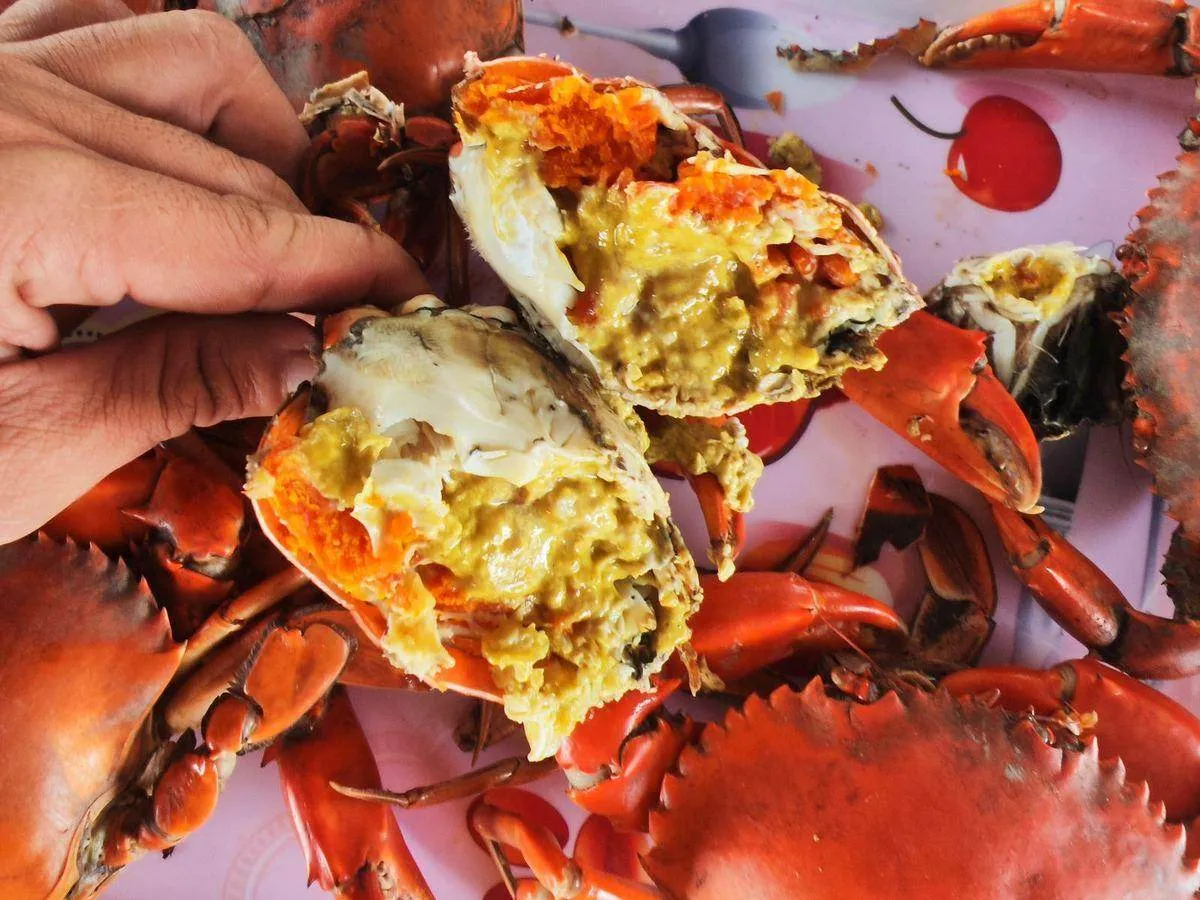
1. Cà Mau Mud Crab - The King of Southern Seafood
When visiting Cà Mau, the first dish to order is mud crab. Living in a high-salinity brackish water environment with plentiful natural food, Cà Mau crabs (especially in Nam Can and Ngoc Hien) are famous for firm, non-mushy meat and savory, thick roe. Crabs can be steamed with beer & lemongrass, roasted with tamarind, cooked in hotpots, or roasted with salt.
2. Grilled Mudskippers with Chili & Salt
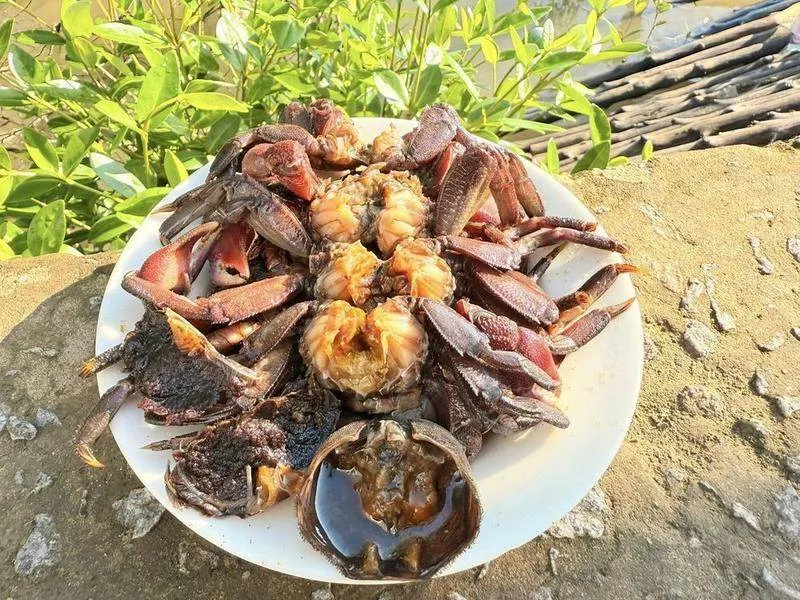
The mudskipper (cá thòi lòi) is a unique fish capable of climbing trees and walking on mudflats. Despite its unusual appearance, its meat is highly delicious, firm like chicken, and has no fine bones. Grilled over hot charcoal with chili and salt, the fish releases an aromatic scent, best dipped in thick sweet-and-sour tamarind sauce.
3. U Minh Forest Fermented Fish Hotpot (Lẩu Mắm)
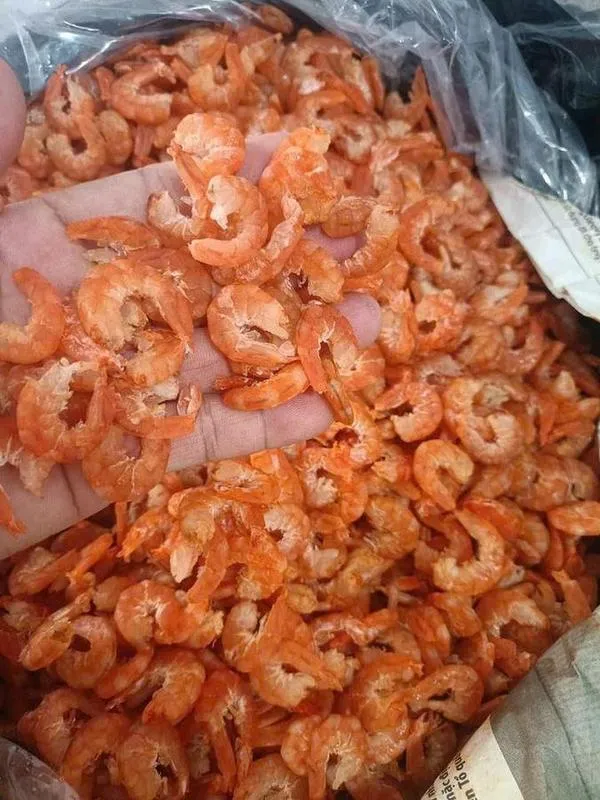
This hotpot brings a completely different flavor from other regions in the Mekong Delta, utilizing a rich broth made from fermented snakeskin gourami fish harvested in the Melaleuca forest. The broth has a unique mild aroma, sweetened with snakehead fish and wild pork. It is enjoyed by dipping over 20 types of forest greens like water lily stalks and yellow sesban flowers.
4. Grilled Mangrove Girdle (Con Vọp) with Scallion Oil
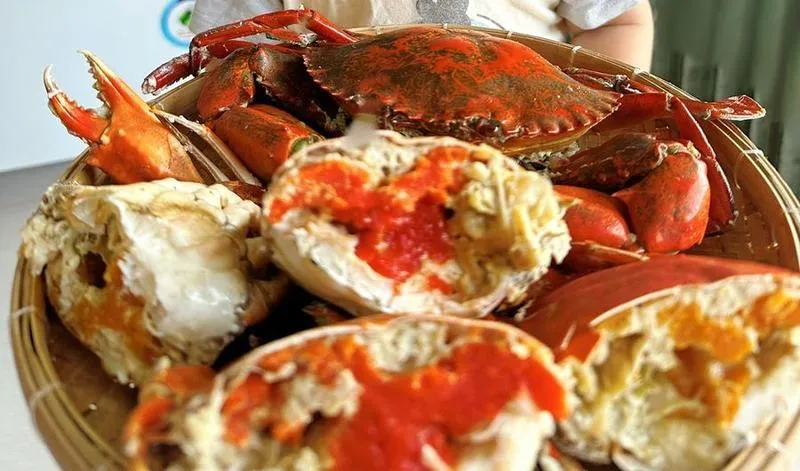
The girdle is similar to a clam but 3 to 4 times larger, burrowing deep under the mud of mangrove forests. The best way to cook it is grilling with scallion oil: when the shell pops open on the grill, a spoonful of aromatic scallion oil and roasted peanuts is added. The meat is chewy and savory, yielding a sweet, nutritious broth.
5. U Minh Forest Bee Larvae Salad (Gỏi Nhộng Ong)
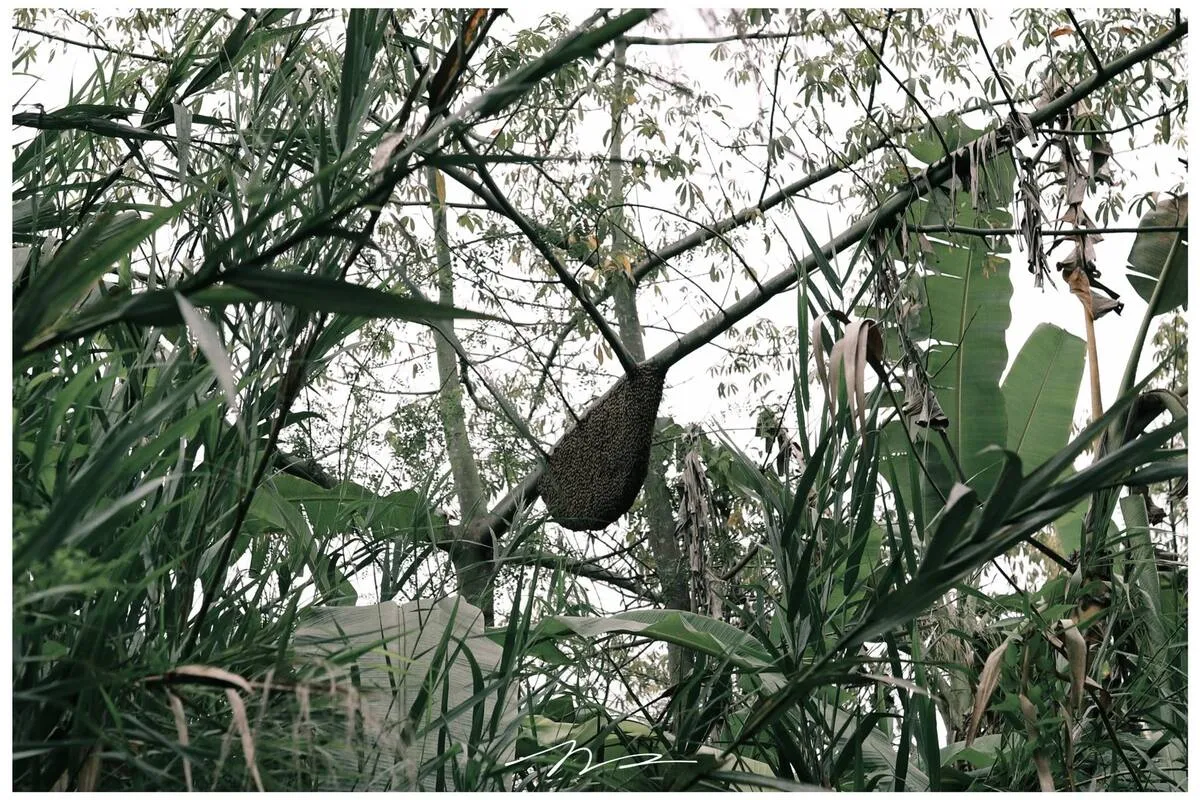
Known as a culinary delicacy of U Minh Hạ. Fresh, soft bee larvae are harvested from wild hives in the forest, stir-fried with fragrant shallots, and tossed with finely shaved banana flowers, Vietnamese coriander, and sweet-and-sour lime dressing. The salad is nutty and rich, eaten with crispy grilled rice paper.
6. Dine on Specialties at Bà Ngoại Homestay
If staying at our homestay, you can enjoy home-cooked meals prepared by local hosts using fresh ingredients harvested from our own organic fishponds. Read more about the dishes in the article Must-Try Ca Mau Specialties.
Frequently Asked Questions
What is the difference between meat crabs and roe crabs?
Meat crabs (cua thịt) have firm, abundant meat in the body and claws, ideal for those who prefer sweet, clean crab meat. Roe crabs (cua gạch) are females filled with rich, creamy orange egg masses (roe) which are highly nutritious and buttery.
How can I buy authentic Cà Mau crabs to take home as gifts?
You should purchase directly from reputable wholesale dealers in Nam Căn or ask your homestay to buy directly from local mangrove farmers. Crabs are packed in insulated foam boxes with dry ice to keep them fresh and alive during travel.
Taste Authentic Cà Mau Specialties
Enjoy a fresh seafood dinner prepared local-style at our cozy thatch-roofed gazebos along the river at Bà Ngoại Homestay.
Related Articles

Written by
Tran Bi (Founder of Ba Ngoai Homestay)
Tran Bi is a local tourism expert with over 10 years of experience guiding visitors through Cape Ca Mau and the U Minh mangrove forests.
Experience Ca Mau Ecotourism Firsthand
Join our local guides to explore the mangrove forests, catch mud crabs, harvest wild honey, and stay at our cozy homestay.