Ca Mau Weather — 12-Month Rain & Sun Calendar & Best Time to Visit
Updated 16/05/2026 6 min read Ca Mau, Southwestern Vietnam
Ca Mau has a tropical monsoon climate — two distinct seasons, never cold, with temperatures ranging from 26–34°C year-round. Knowing the weather for each month will help you choose the right time for your Ca Mau Cape tour or U Minh Ha tour to be a memorable trip, not one hindered by rain.
☀️
Dry Season
Nov – Apr
🌧️
Rainy Season
May – Oct
🌡️
26–34°C
Year-round
💧
~2,300mm
Annual Rainfall
Ca Mau Weather by Month
Month
Weather
Temperature
Rainfall
Travel Rating
January
☀️ Dry
26–31°C
Low
⭐⭐⭐⭐⭐
February
☀️ Dry
27–33°C
Low
⭐⭐⭐⭐⭐
March
☀️ Dry & Hot
28–34°C
Very Low
⭐⭐⭐⭐⭐
April
☀️ Hot
28–35°C
Starting
⭐⭐⭐⭐
May
🌧️ Early Rainy
27–33°C
Medium
⭐⭐⭐
June
🌧️ Rainy
26–32°C
High
⭐⭐⭐
July
⛈️ Very Rainy
26–31°C
Very High
⭐⭐
August
⛈️ Very Rainy
26–31°C
Very High
⭐⭐
September
🌧️ Rainy
26–32°C
High
⭐⭐⭐
October
🌧️ Late Rainy
26–32°C
Decreasing
⭐⭐⭐
November
☀️ Early Dry
26–31°C
Low
⭐⭐⭐⭐
December
☀️ Dry
26–31°C
Very Low
⭐⭐⭐⭐⭐
Dry Season (November – April) — The Best Time to Visit
Ca Mau's dry season is a travel paradise — clear blue skies, warm sunshine, and dry, pleasant air. The road to Ca Mau Cape (Ngoc Hien district) is not flooded, the U Minh Ha cajuput forest is dry and easy to explore, and specialty seafood is at its peak deliciousness.
✅ Best for:
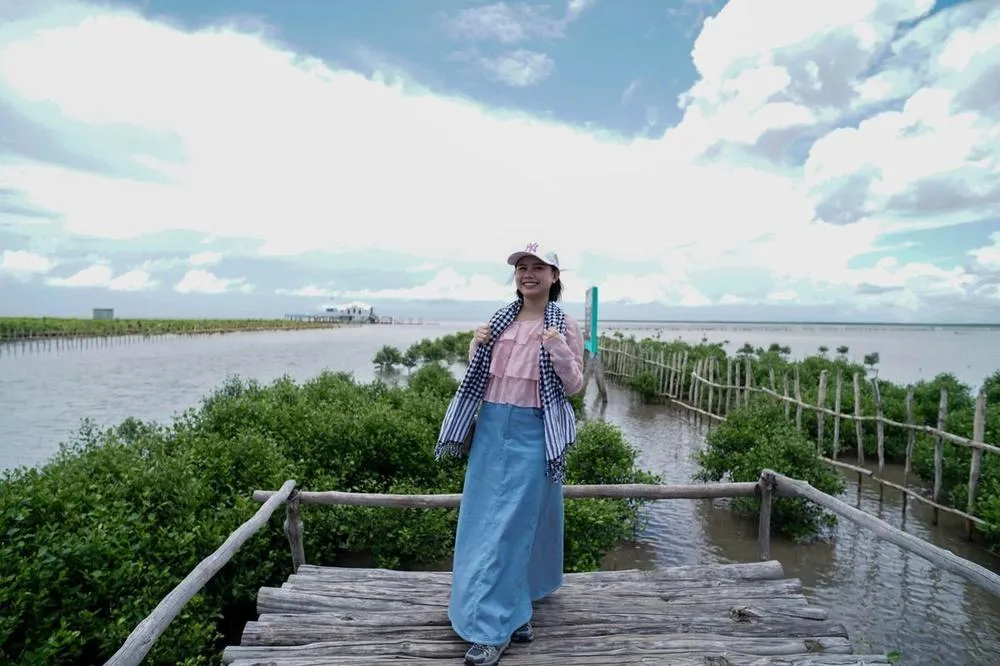
• Ca Mau Cape tour (milestone, mangrove forest)
• U Minh Ha tour (honey harvesting, forest trekking)
⚡ Note:
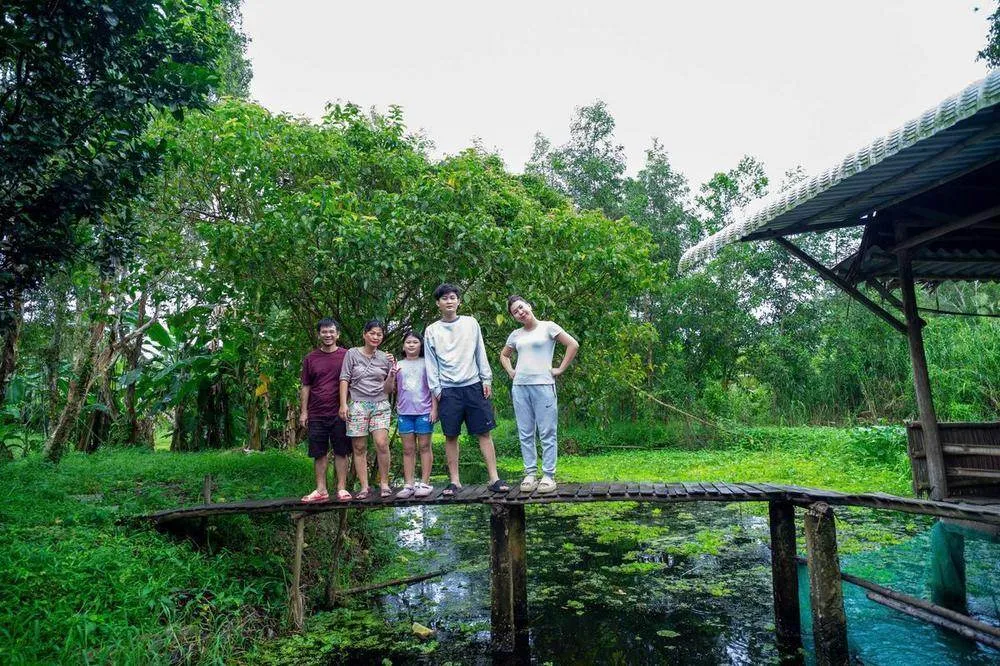
A cozy and warm family meal at Ba Ngoai Homestay
• March–April are the hottest months, go early in the morning
• April 30th–May 1st and Tet holidays are very crowded, book 3–4 weeks in advance
• Bring SPF 50+ sunscreen — the sun in the Mekong Delta is intense
Rainy Season (May – October) — A Different Experience
Ca Mau's rainy season is not a no-go season — rain usually comes in afternoon bursts (30–60 minutes), with mornings often dry. Many experiences are unique to the rainy season: the U Minh Ha cajuput forest is flooded (allowing deeper canoe exploration), rice field crabs are fattest, and freshwater eels are most abundant. See more about Which season is best for Ca Mau to choose the right time.
✅ Still good for:
• U Minh Ha tour (Sept–Oct: flooded forest canoeing)
• Visiting Ca Mau City, floating market, local cuisine
⚠️ Should avoid:
• Ca Mau Cape tour in July–August (rough seas)
• Island tours (Con Dao, Nam Du) in June–September
• Rural roads in Ngoc Hien area might be flooded
Best Time for Each Type of Tour
Abundant and fresh local seafood selection
🏝️
Ca Mau Cape Tour
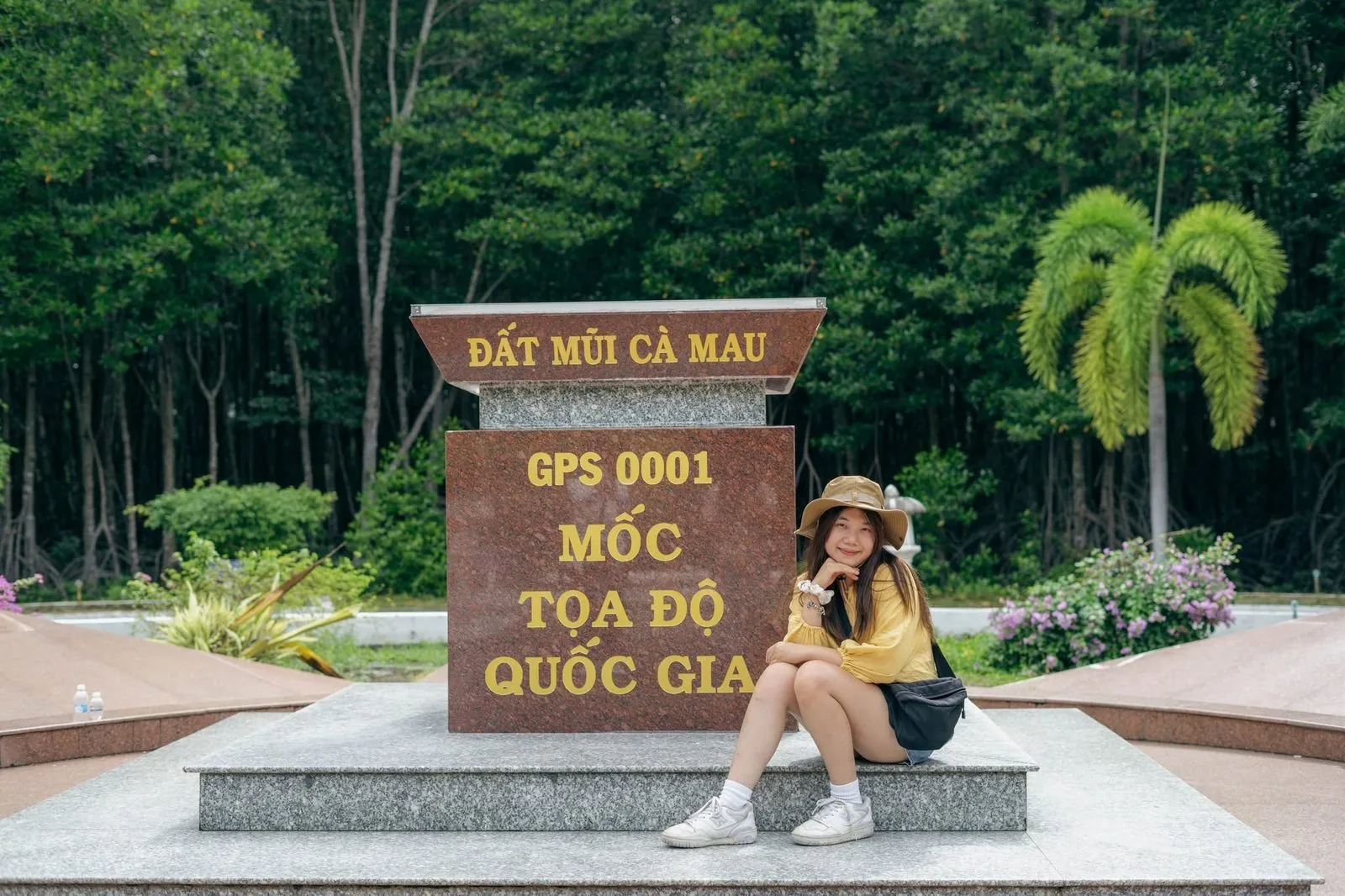
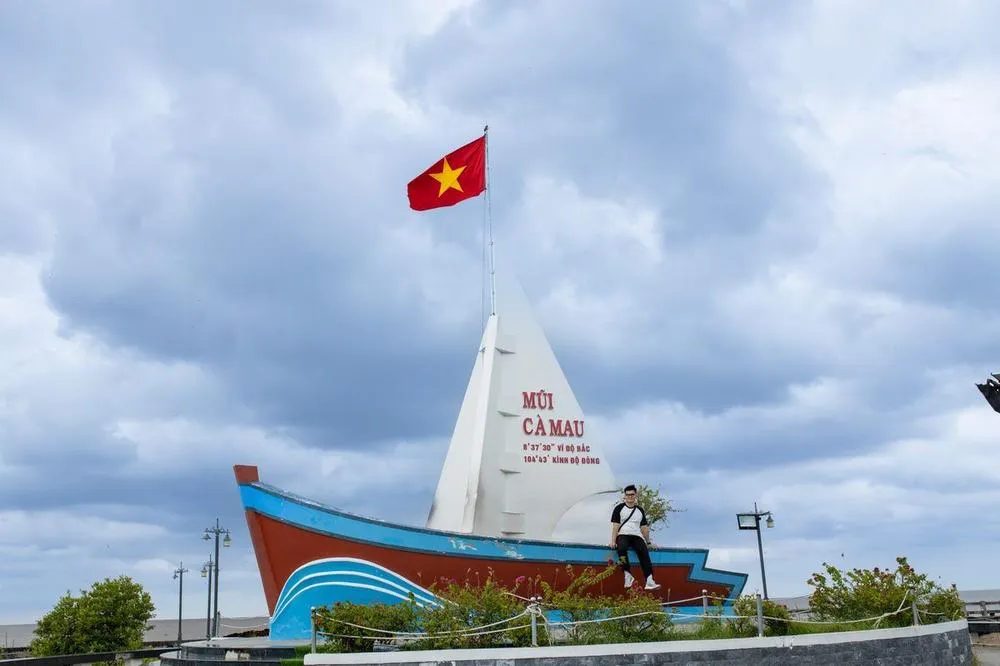
Best: November – April. Calm sea, roads to Dat Mui not flooded, great for photos at the landmark. Avoid July–September (rough seas, might not be able to reach Dat Mui).
🌳
U Minh Ha Tour
Dry season (Feb–Apr): honey harvesting, dry forest trekking. Flooded season (Sept–Oct): canoeing into the flooded cajuput forest — a completely different experience. Both are worth experiencing.
⛵
Con Dao / Nam Du Tour
Fresh local seafood processed on the spot for diners
Best: November – May. The East Sea is calmest during this season, stable boat trips to the islands. Completely avoid June–October as the sea is rough, and boats might be delayed.
🏡
Farmstay / Be a Ca Mau Local Tour
Can be done year-round — day activities, not dependent on the sea. The rainy season has the fattest rice field crabs and most abundant snakehead fish. The dry season offers easier honey harvesting experiences.
What to Pack for Your Ca Mau Trip?
☀️ Dry Season
Rustic dishes rich in flavor of the Mekong Delta waterways
• SPF 50+ sunscreen
• Wide-brimmed hat / conical hat
• Sunglasses
• Long-sleeved sun protection shirt (for mangrove forest)
• Enough drinking water (at least 1.5L/day)
• Plastic sandals / waterproof shoes
🌧️ Rainy Season
• Lightweight raincoat (poncho)
• Plastic sandals — roads can be slippery after rain
• Zip-lock bags for phone, camera
• High DEET mosquito repellent (more mosquitoes)
• Long-sleeved shirt for mosquito protection
• Check tidal calendar before going
💡 Local Tip
No matter the season, always start early (before 7 AM). Ca Mau mornings are cool, with beautiful light for photos, and the waterway to Ca Mau Cape is better in the morning (sea breeze usually picks up from 2 PM). If the sky is grey early, ask your homestay host — they'll know if heavy rain is expected and can often adjust your tour schedule accordingly.
Frequently Asked Questions
Does Ca Mau get typhoons?
Ca Mau is less directly affected by typhoons compared to Central Vietnam because it's located deep within the Gulf of Thailand. However, in October–November, tropical depressions can cause heavy rain and rough seas. It's not advisable to plan island tours during this time.
Enjoy delicious and authentic Ca Mau local specialties
When does the dry season start in Ca Mau?
Ca Mau's dry season starts in November and lasts until April of the following year. The peak of the dry season is in February–March when rainfall is almost zero, the weather is sunniest, and seafood is at its most delicious.
Does it rain in Ca Mau in April?
April is still part of the dry season, but there might be a few small showers towards the end of the month (transitioning to the rainy season). Overall, April is still a great time to visit — sunny, little rain, just a bit hot (28–35°C). Remember to bring SPF50+ sunscreen.
What is the average temperature in Ca Mau?
Ca Mau's average temperature ranges from 26–34°C year-round. There is no cold season — the lowest temperature is around 22–24°C at night in January. The hottest months are March–April, with daytime temperatures potentially reaching 35–37°C.
Book Your Tour for the Best Season
Bà Ngoại Homestay offers free consultation — we'll help you find the best time for your schedule and the most enjoyable tour for that season. Contact us now for support.
Written by
Tran Bi (Founder of Ba Ngoai Homestay)
Tran Bi is a local tourism expert with over 10 years of experience guiding visitors through Cape Ca Mau and the U Minh mangrove forests.
Experience Ca Mau Ecotourism Firsthand
Join our local guides to explore the mangrove forests, catch mud crabs, harvest wild honey, and stay at our cozy homestay.