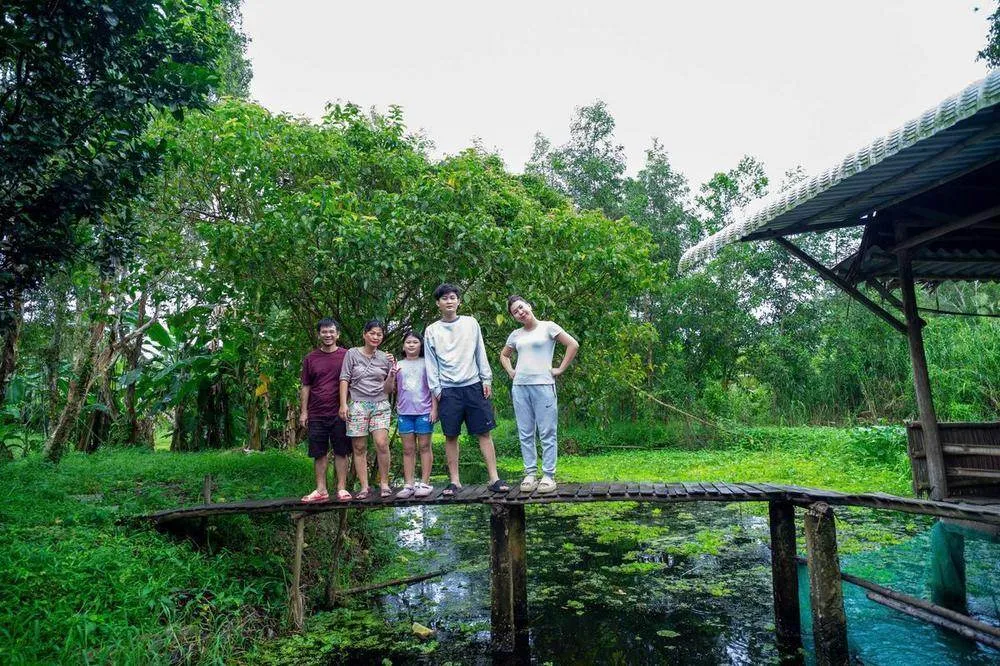
Catching ba khia crabs at night is one of the unique cultural activities of the people of Southern Vietnam in general and Ca Mau in particular. This small crustacean usually crawls along the roots of mangrove trees and only comes out to forage actively when night falls. Join Ba Ngoai Homestay to discover the ultimate A-Z guide to catching ba khia.
1. What is a ba khia crab? Why only catch them at night?
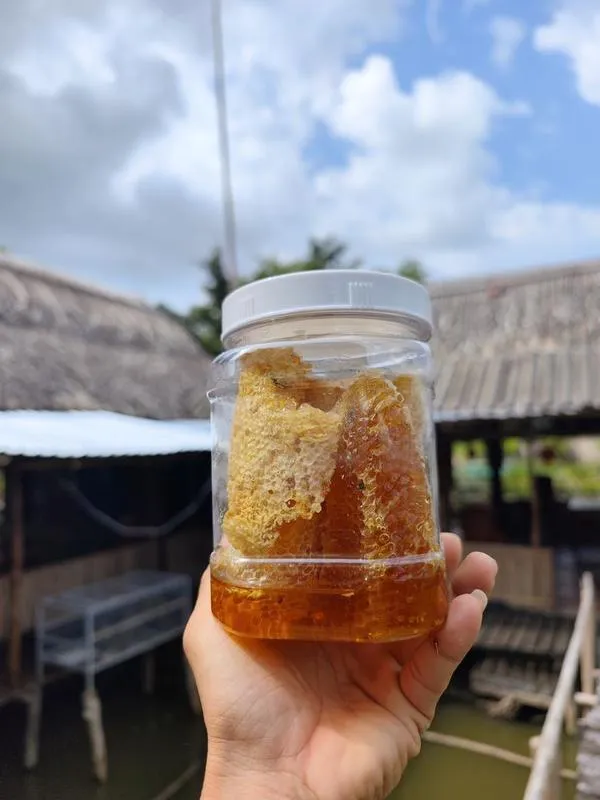
Ba khia is very similar in shape to sea crabs but smaller in size, with three distinct stripes on its back (believed to be the origin of its name). This species usually inhabits muddy mangrove forests along brackish rivers and canals:
- Nocturnal activity: During the day, ba khia crabs hide deep under the mud or in tree root hollows. Only when it gets completely dark do they crawl out and cling to mangrove trunks to eat fallen mangrove fruits and microorganisms in the mud.
- Spotlighting: At night, when visitors shine a flashlight directly into the eyes of ba khia crabs, they get blinded and temporarily "freeze" for a few seconds, making it extremely easy to catch them by hand.
2. Essential equipment for a night ba khia hunting tour
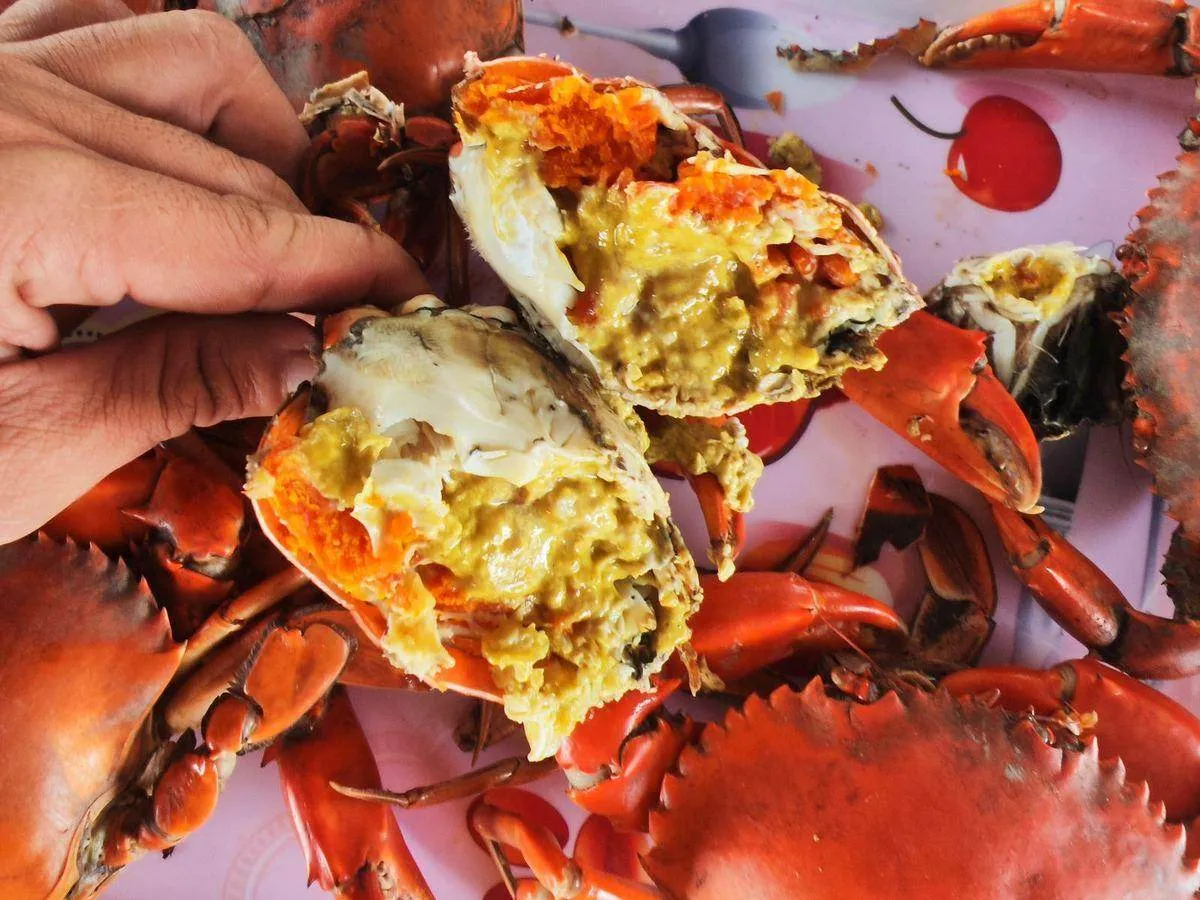
Due to the activity of wading through deep mud in dark, dense mangrove forests, visitors need to be fully equipped and follow safety instructions from the locals:
- Long rubber boots: Avoid mud and protect your feet from sharp oyster shells or mangrove thorns buried deep in the mud.
- Headlamp: A high-intensity focused beam to light up your field of vision clearly while keeping both hands free to catch the crabs and put them in a plastic bucket.
- Thick fabric gloves: A ba khia's pinch, though not as painful as a large sea crab's, is still very sharp. Wearing gloves provides absolute skin protection for visitors.
3. Real experience of catching ba khia crabs with Ba Ngoai Homestay in Tran Van Thoi
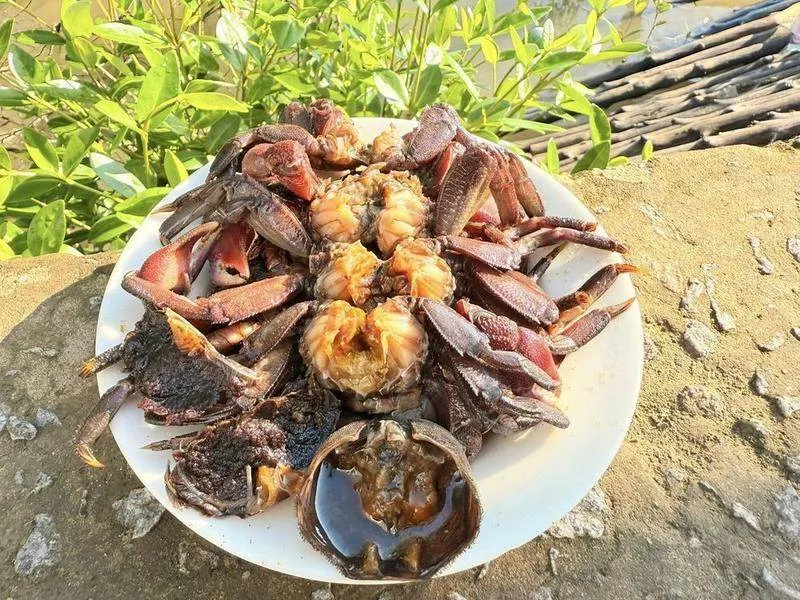
At Ba Ngoai Homestay, the night ba khia catching tour is a unique service that many groups of young people love to experience:
- Paddling a boat through mangrove canals: Under the guidance of Mr. Bi, visitors paddle a three-plank wooden boat gliding gently through the quiet night shade, listening to the breathing forest and the trickling of the rising tide.
- Fun ba khia catching: When spotting a ba khia clinging to mangrove roots, quickly grab it from behind to avoid getting pinched. The suspense, the thrilling misses, and the bursting laughter in the middle of the night forest are incredibly refreshing.
4. How to enjoy delicious fresh ba khia right on the spot
After finishing the exciting hunting trip, the live ba khia spoils will be brought back to the homestay and prepared immediately to preserve their natural sweetness:
- Tamarind roasted / salt roasted ba khia: Crispy ba khia shells soaked in sweet, sour, and spicy tamarind sauce, served with stomach-warming Vietnamese coriander.
- Lemongrass steamed ba khia with salt, pepper, and lime dip: Perfectly preserves 100% of the sweet succulence of fresh ba khia meat just caught from the mangrove roots.
- Famous Rach Goc salted ba khia: Ba khia crabs are washed clean and salted in earthen jars. They are then mixed with minced garlic, chili, lime juice, and sugar to create a "classic" rice-accompanying dish of Western Vietnam.
5. Important tips when joining a night ba khia catching tour
Although this is a rustic recreational activity, visitors should note a few tips to ensure a perfect trip:
- Wear lightweight long-sleeved clothes to avoid mosquito bites in the mangrove forest at night.
- Apply mosquito and insect repellent before setting off to wade through the forest.
- Always follow the local guide and do not wander deep into muddy thickets alone.
References
To ensure the authenticity of folklore information and respect copyrights, documentation on ba khia specialties has been cross-referenced with official sources:
- Decision No. 2944/QD-BVHTTDL of the Ministry of Culture, Sports and Tourism, adding the folklore and traditional craft "Ba khia salting profession" in Ca Mau to the National Intangible Cultural Heritage List.
- Department of Culture, Sports and Tourism of Ca Mau province (sovhttdl.camau.gov.vn): Intangible cultural heritage portal on the exploitation customs and salted ba khia cuisine in Dat Mui.
- Vietnam Folk Arts Association: Study on the intangible culture of residents in Ca Mau's wetlands.

Article Author
Tran Bi (Founder of Ba Ngoai Homestay)
Mr. Tran Bi is a local culture, history, and ecotourism expert in Ca Mau with over 10 years of experience leading tourist groups to experience U Minh Ha forest and Dat Mui.
Real Ca Mau Travel Experience
Join Uncle Ba Khia to explore Dat Mui, travel through mangrove forests, catch crabs, harvest honey, and stay at Mr. Bi's cool eco-homestay.