Short answer: YES, Ca Mau has beaches
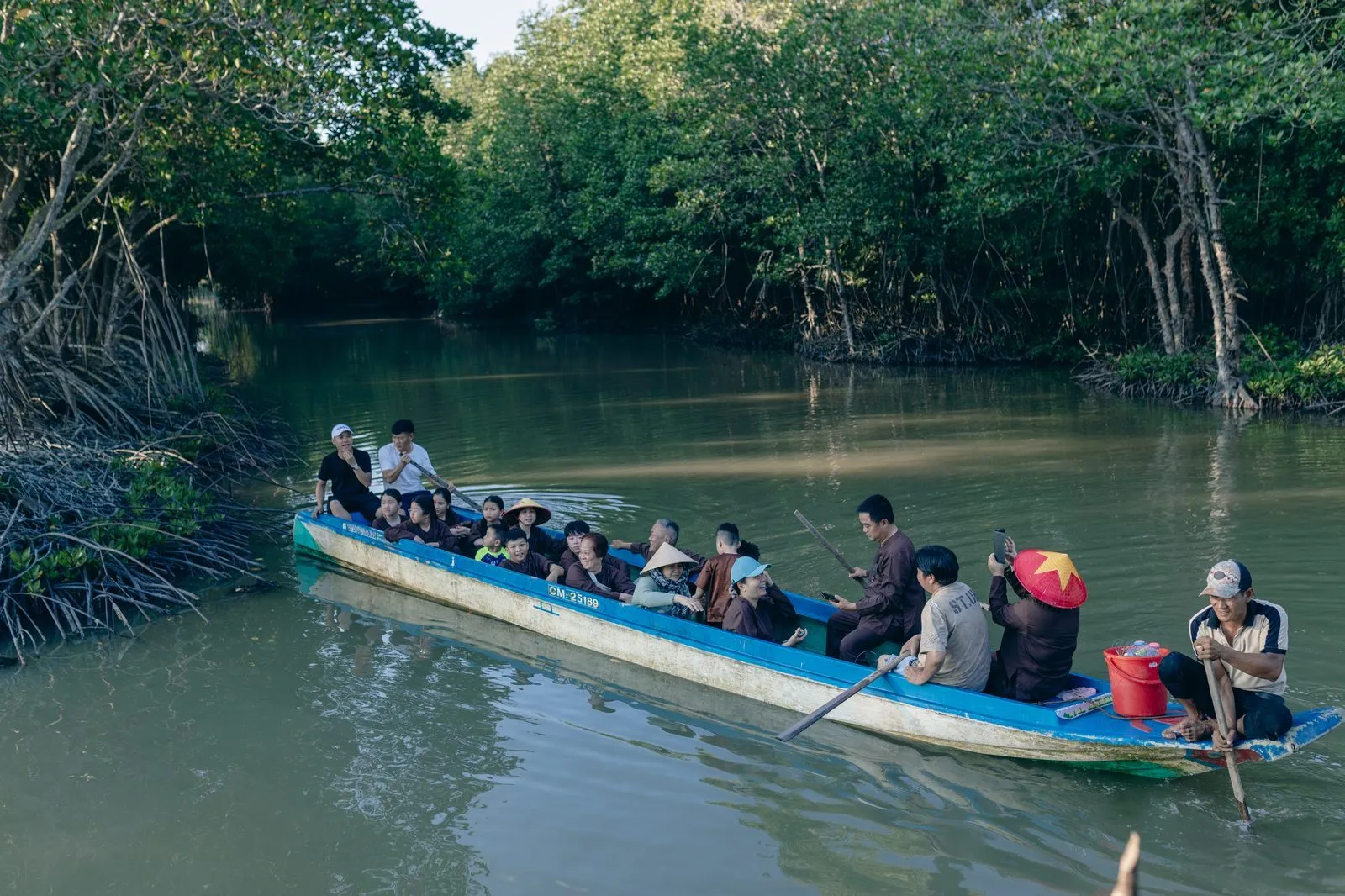
Ca Mau has over 254km of coastline — but this is a coastline of mudflats and mangroves, completely different from the white sandy beaches in Da Nang or Phu Quoc. This difference is exactly what makes Ca Mau unique and impossible to find anywhere else in Vietnam.
Which Sea Does Ca Mau Border? The Most Unique Geography in Vietnam
Ca Mau is the only province in Vietnam bordering two sea regions: to the east is the East Sea (part of the Pacific Ocean) and to the west is the Gulf of Thailand. These two sea regions have two different water colors, two different ecosystems, and even the waves have different directions.
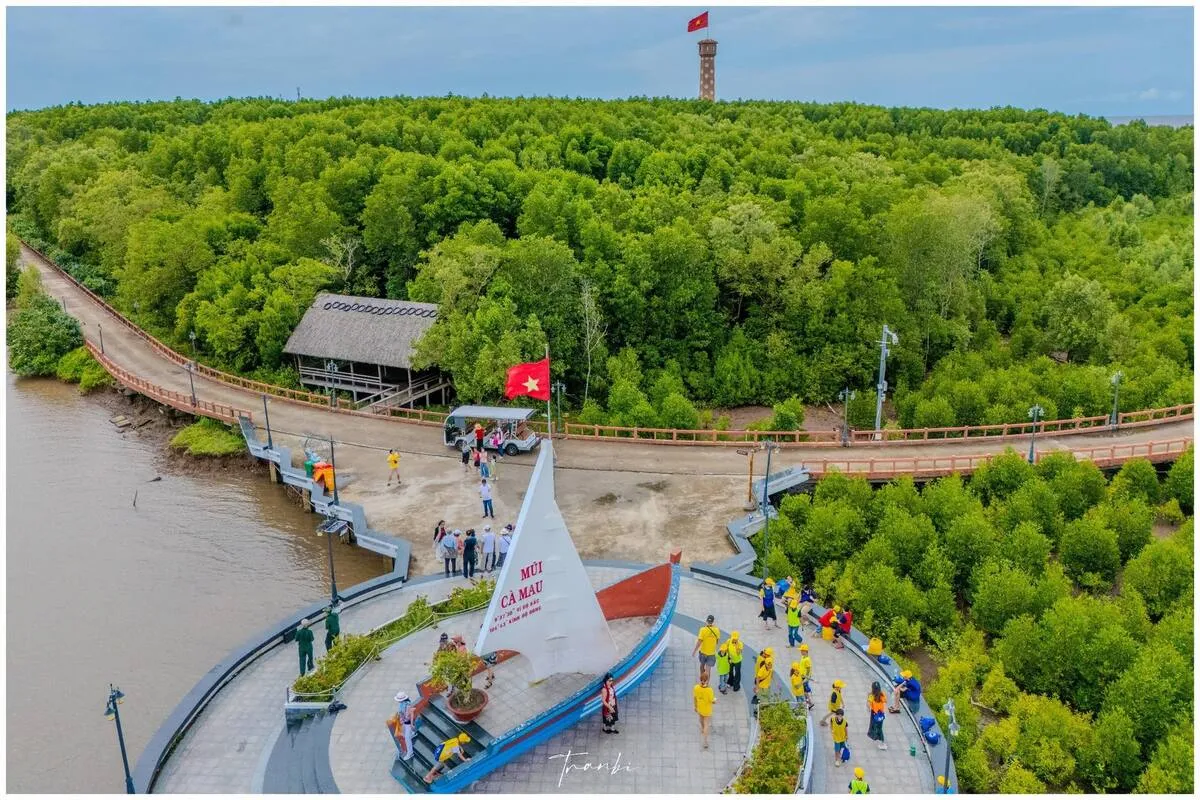
This creates a unique viewpoint at Ca Mau Cape — where you can stand at the southernmost landmark and see the intersection line between the two seas. This is not a phenomenon in any other province in Vietnam.
3 Prominent Coastal Zones of Ca Mau

Ca Mau Cape Mudflats
The mainland is "growing" further into the sea every year by ~50–100m. This is one of the few places in the world where the mainland is still expanding naturally. The mudflats are covered with mangroves, clams, and snails.
Khai Long Beach
Located in Ngoc Hien district, Khai Long beach has a rare sandy beach strip of Ca Mau. Although not fine white, this is a swimming and resort destination loved by many locals.
Coastal Mangroves
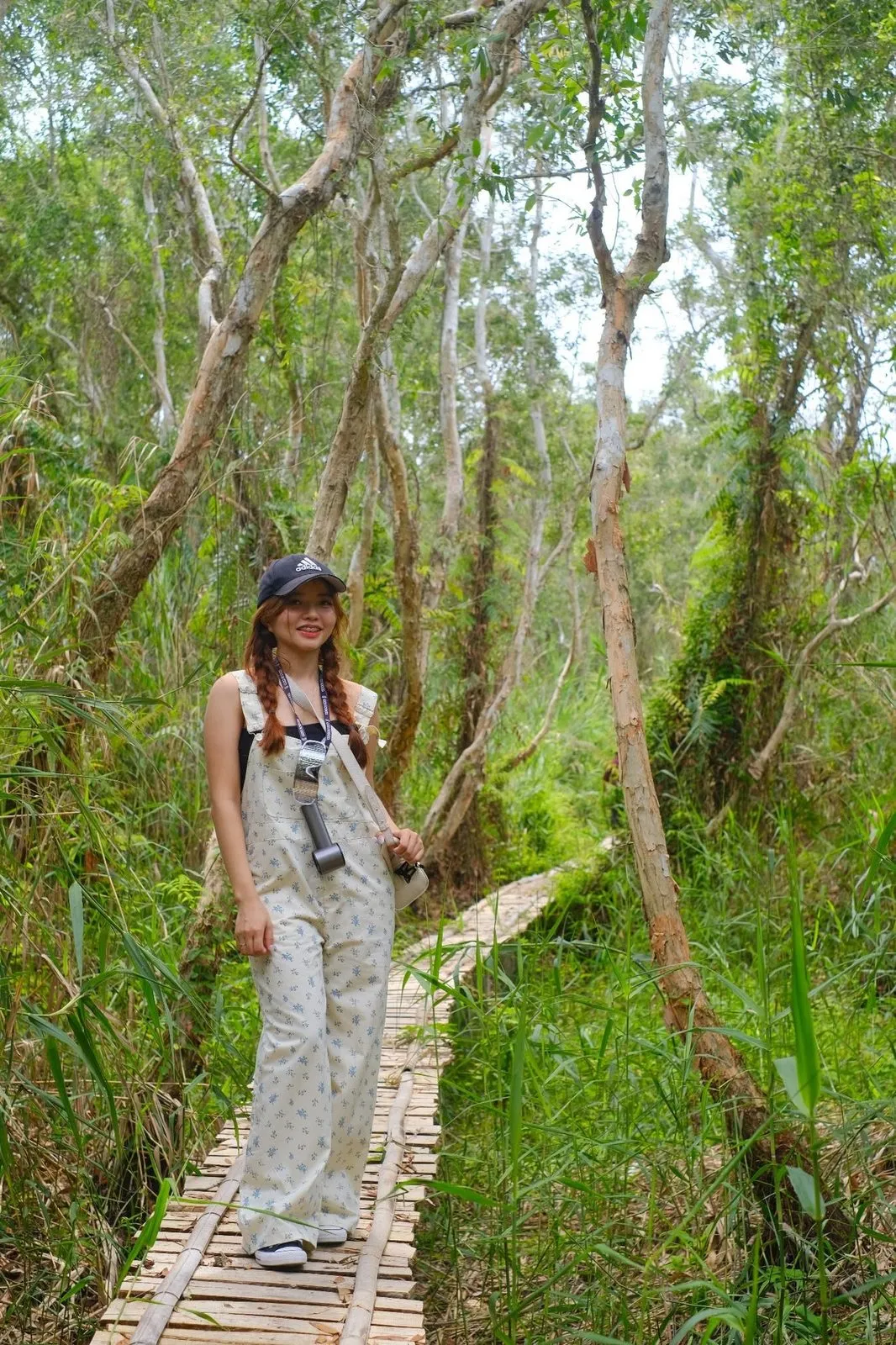
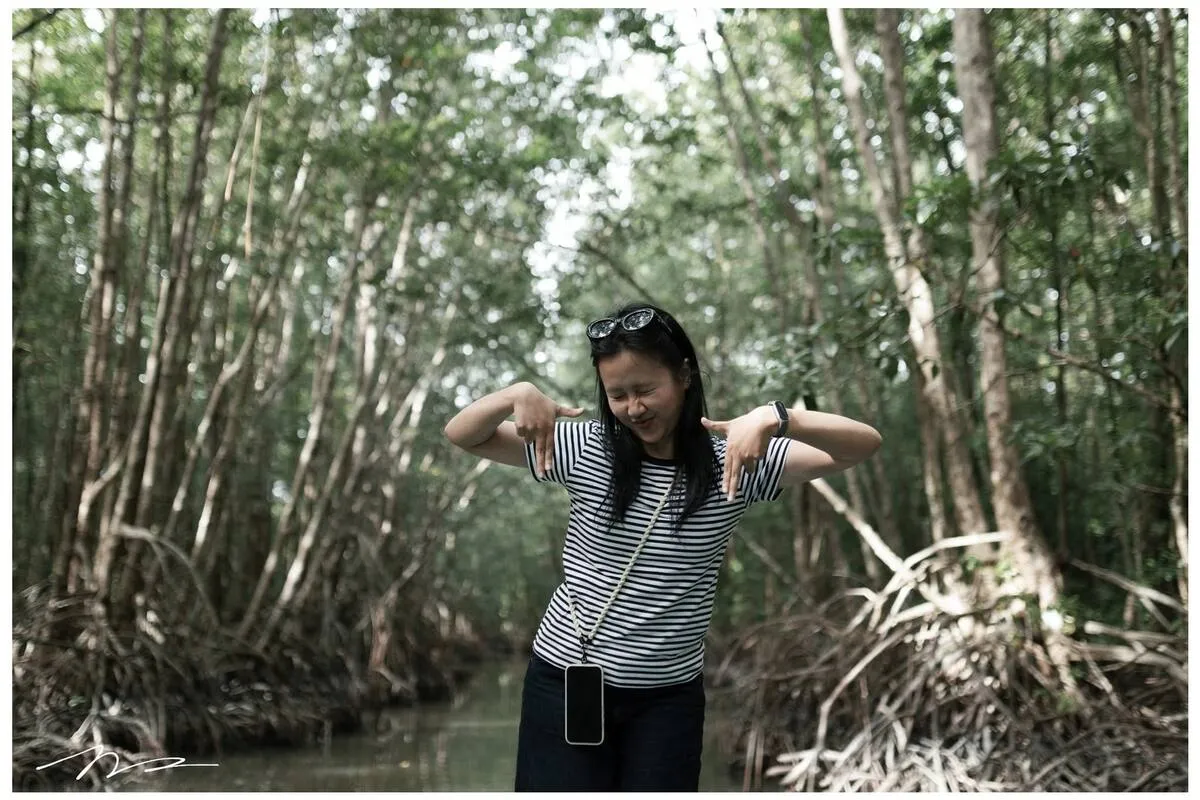
Most of Ca Mau's coastline is mangrove forest — forming a "green fence" protecting the mainland. This is a UNESCO-recognized ecosystem, home to hundreds of marine species.
How Are Ca Mau Beaches Different From Central Vietnam?

| Feature | Ca Mau Beach | Da Nang / Phu Quoc Beach |
|---|---|---|
| Water Color | Murky (lots of alluvium) | Turquoise / Blue |
| Coastline | Mudflats + Mangroves | Long white sand |
| Swimming | Limited (Khai Long beach) | Comfortable swimming |
| Seafood | Extremely abundant, cheap | Abundant, higher price |
| Ecosystem | Unique mangrove forest | Coral reefs, sandy beaches |
| Best for | Eco-exploration, photography | Resorts, swimming |
Can You See the Sea From Ca Mau Cape?
This is the most common question from first-time visitors to Ca Mau. The answer is: YES and very clearly. When standing at the southernmost GPS landmark (coordinates 8°33'N, 104°49'E), you will see:
- To the East: East Sea — darker blue water, bigger waves
- To the West: Gulf of Thailand — lighter green water, smaller waves
- Intersection Line: In the dry season (Jan–Apr), you can sometimes clearly see the boundary line of the two water colors
To reach this landmark, you need to take a boat from Nam Can town or from Dat Mui — a journey through the mangrove forest taking about 30–45 minutes. This is the most attractive part of the Ca Mau Cape tour.
Dat Mui — The Most Special "Beach" in Vietnam
Instead of sandy beaches, Dat Mui has alluvial mudflats — new lands forming day by day from the Mekong River's alluvium. Every year, Ca Mau "advances into the sea" by 50–100m in the West and 25–30m in the East. This accretion rate is the fastest in Southeast Asia.
When setting foot on Dat Mui mudflats, you are standing on the youngest land in Vietnam — land just "born" from the sea in the last few decades. There is no similar experience at any other destination in Vietnam.
When to Visit Ca Mau Cape?
Dry season (Nov–Apr): Best for visiting the beach and the Cape. Sunny weather, clearer seawater, boats operate regularly, roads to the Cape are not flooded. See details in the article Best time to visit Ca Mau.
Rainy season (May–Oct): You can still go but need to prepare a raincoat. In return, the mangrove forest is greener, there is more seafood, and fewer tourists so tour prices are usually 15–20% cheaper.
Frequently Asked Questions
Are Ca Mau beaches beautiful? Can I swim?
Ca Mau beaches are completely different from Central Vietnam beaches — these are mudflats and mangrove coastlines, with no long white sand. Some places like Khai Long beach (Ngoc Hien district) can be swam in during the dry season but the water is usually murky. The beauty of Ca Mau beaches lies in the unique mangrove ecosystem and surreal mudflats — not resort sandy beaches.
Does Ca Mau have snorkeling or scuba diving?
There are no snorkeling or scuba diving activities in mainland Ca Mau due to murky water and no coral reefs. If you want snorkeling, you should choose nearby island tours such as Con Dao Tour or Nam Du & Hon Son Tour — these places have clear blue water and beautiful corals.
How long does it take from Ca Mau to the islands?
Con Dao: fly from Can Tho or HCMC ~1 hour. Nam Du: boat from Rach Gia ~2.5 hours (Rach Gia is ~120km from Ca Mau). Hon Son: boat from Rach Gia ~2 hours. You should combine Ca Mau with one of these destinations into a package Mekong Delta tour to save on travel.
Which island tour to choose: Con Dao or Nam Du?
Con Dao is suitable for: revolutionary history, sea turtles, pristine islands, luxury resorts — by plane, 3 days 2 nights. Nam Du is suitable for: more affordable blue sea, king crabs, fishing, stunning sunsets — by boat from Rach Gia, 2 days 1 night. For a limited budget choose Nam Du; for a special experience choose Con Dao.
Explore Ca Mau Cape — Where the East Sea Meets the Gulf of Thailand
Full-day Ca Mau Cape tour: go through the mangrove forest, visit the southernmost landmark, catch mud crabs by the sea, eat fresh seafood on the spot.
Related Articles
Island Tour
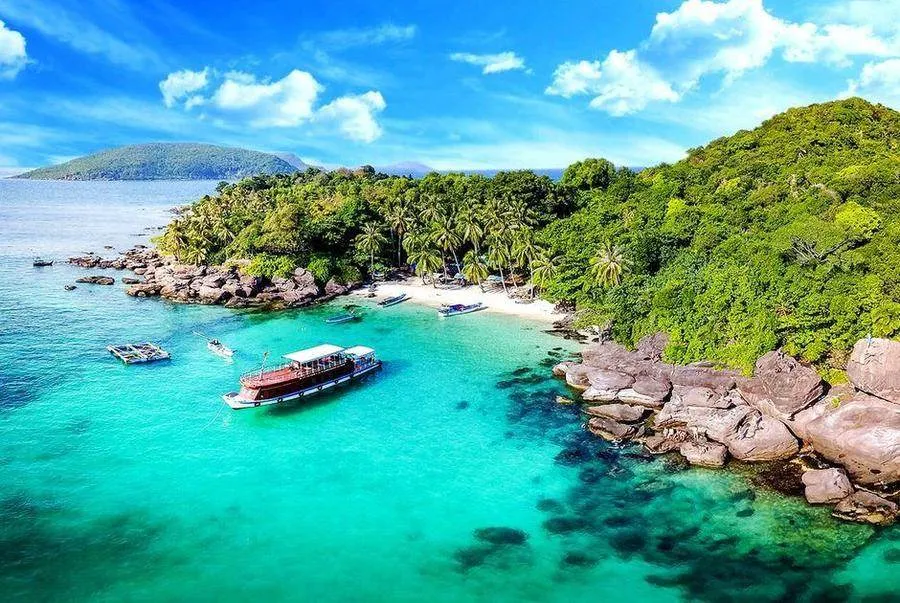
Con Dao Tour 3D2N — Pristine Island, Sea Turtles, History
Island Tour
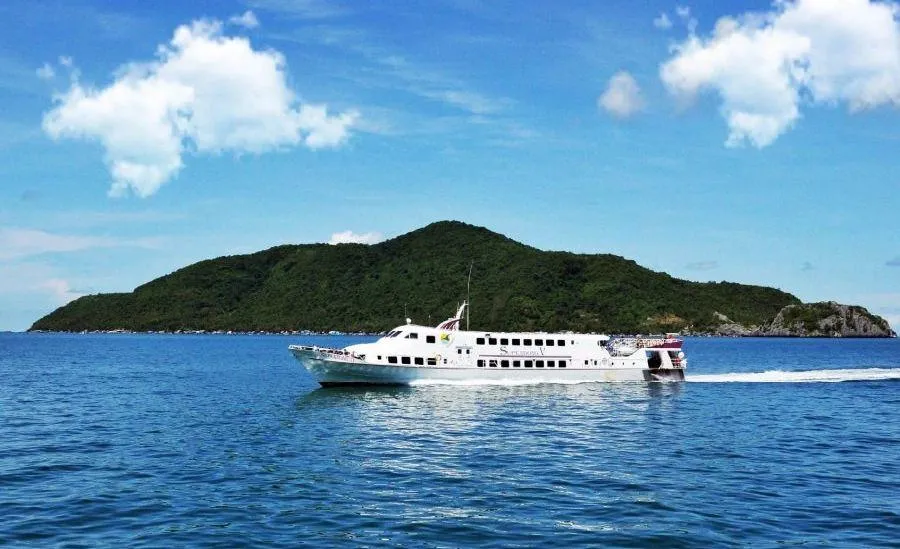
Nam Du & Hon Son Tour 2D1N — Blue Sea, King Crabs
Explore
First Time Ca Mau Cape Travel Guide — Tips From Locals
Transportation
How to Get From HCMC to Ca Mau? Comparing 4 Transport Methods

Article Author
Trần Bì (Founder of Bà Ngoại Homestay)
Mr. Tran Bi is a local expert in culture, history, and eco-tourism in Ca Mau with over 10 years of experience guiding tourists to experience U Minh Ha forest and Dat Mui.
Authentic Ca Mau Travel Experience
Join Uncle Ba Khia to explore Dat Mui, go through the mangrove forest, catch crabs, harvest honey, and stay at Mr. Bi's cool eco-homestay.