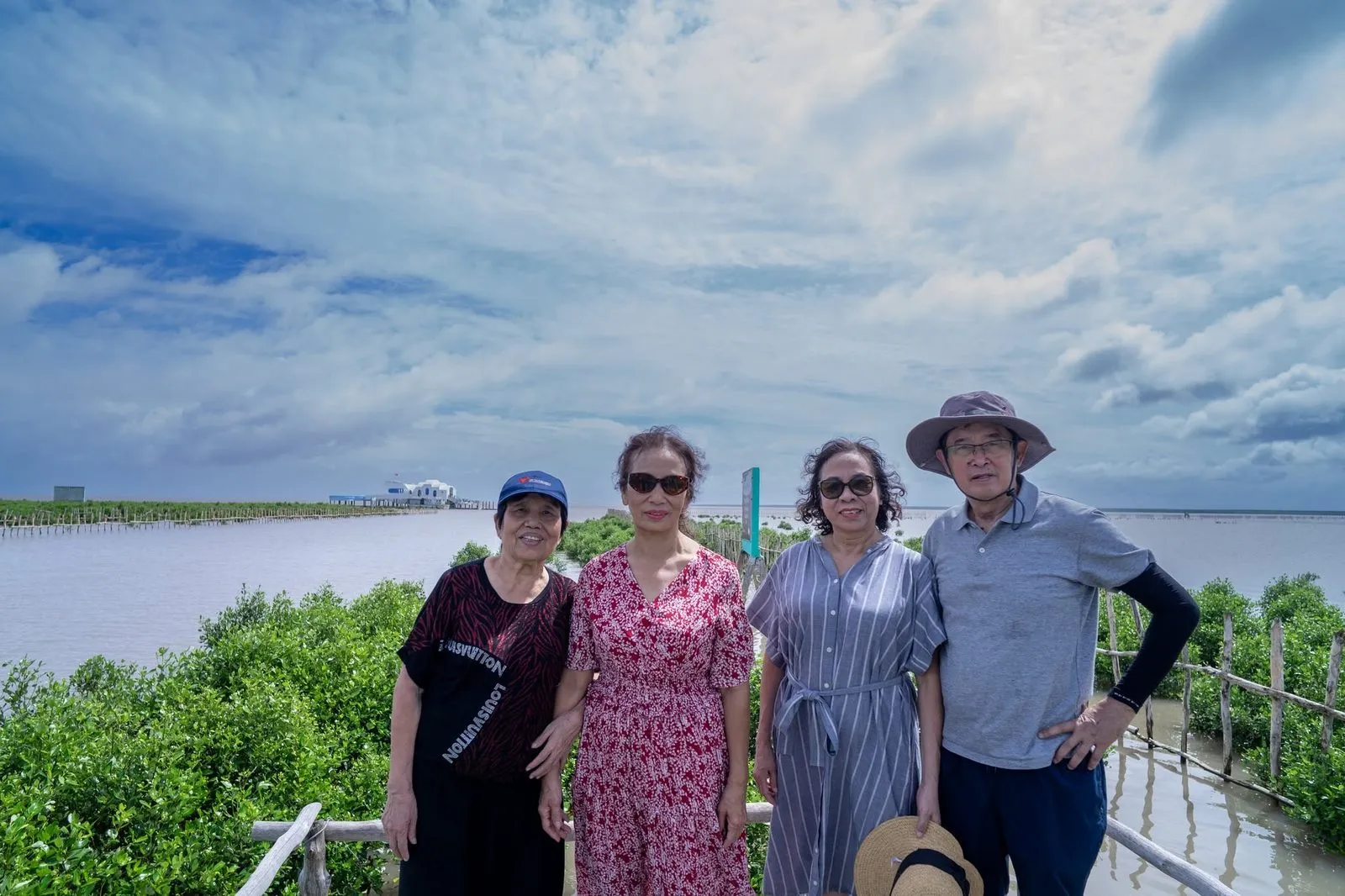
Imagine sitting on a small canoe, gliding through dark waterways just a few meters wide, flanked by towering mangrove trees that form a mysterious green tunnel overhead. Occasionally, sunlight pierces through the leaves, creating shimmering streaks of light on the water. This isn't a scene from a movie — this is the Ca Mau mangrove forest trekking experience that thousands of tourists call "the most beautiful moment of their lives." This is also a highlight activity in the 1-Day Ca Mau Cape Tour and U Minh Ha Tour by Ba Ngoai Homestay.
1. What Is Ca Mau Mangrove Forest? Why Is It Special?
Mangrove forest is a unique saltwater forest endemic to tropical coastal areas. The mangrove tree has a special stilt root system that grows straight up from the mud, creating a magnificent "framework" both underwater and on land. In Ca Mau, the mangrove forest spans over 73,000 hectares — it is the largest and most pristine mangrove forest in Vietnam. This is one of the main reasons for what to do in Ca Mau that no other place can replace.
Ca Mau Cape National Park — where the mangrove forest is the thickest — was recognized by UNESCO as a World Biosphere Reserve in 2009. This ecosystem is home to hundreds of species of fish, shrimp, crabs, and serves as a natural "nursery" for the fishing industry of the entire Southern sea region.
The mangrove forest also acts as a natural shield protecting the coastline from erosion and storm waves — a natural "defense system" that humans cannot create.
2. How Does The Forest Trekking Journey Unfold?
With Ba Ngoai Homestay's tour, the mangrove forest trekking journey is divided into 2 forms:
🚤 Canoe — Fast Forest Trekking
- Duration: 45–60 minutes
- Speed: moderate, feel the wind and atmosphere
- Suitable for: large groups, children, the elderly
- Advantages: beautiful images, sense of adventure
- Value: included in Ca Mau Cape tour
🛥️ Motorboat — Deep Forest Trekking
- Duration: 2–3 hours
- Speed: slow, quiet, closest to nature
- Suitable for: small groups of 2-6 people who prefer deep experiences
- Advantages: listening to birds singing, observing creatures
- Value: U Minh Ha tour — motorboat
3. Most Popular Forest Trekking Routes
Route 1 — Ca Mau Cape Mangrove Forest (most famous)
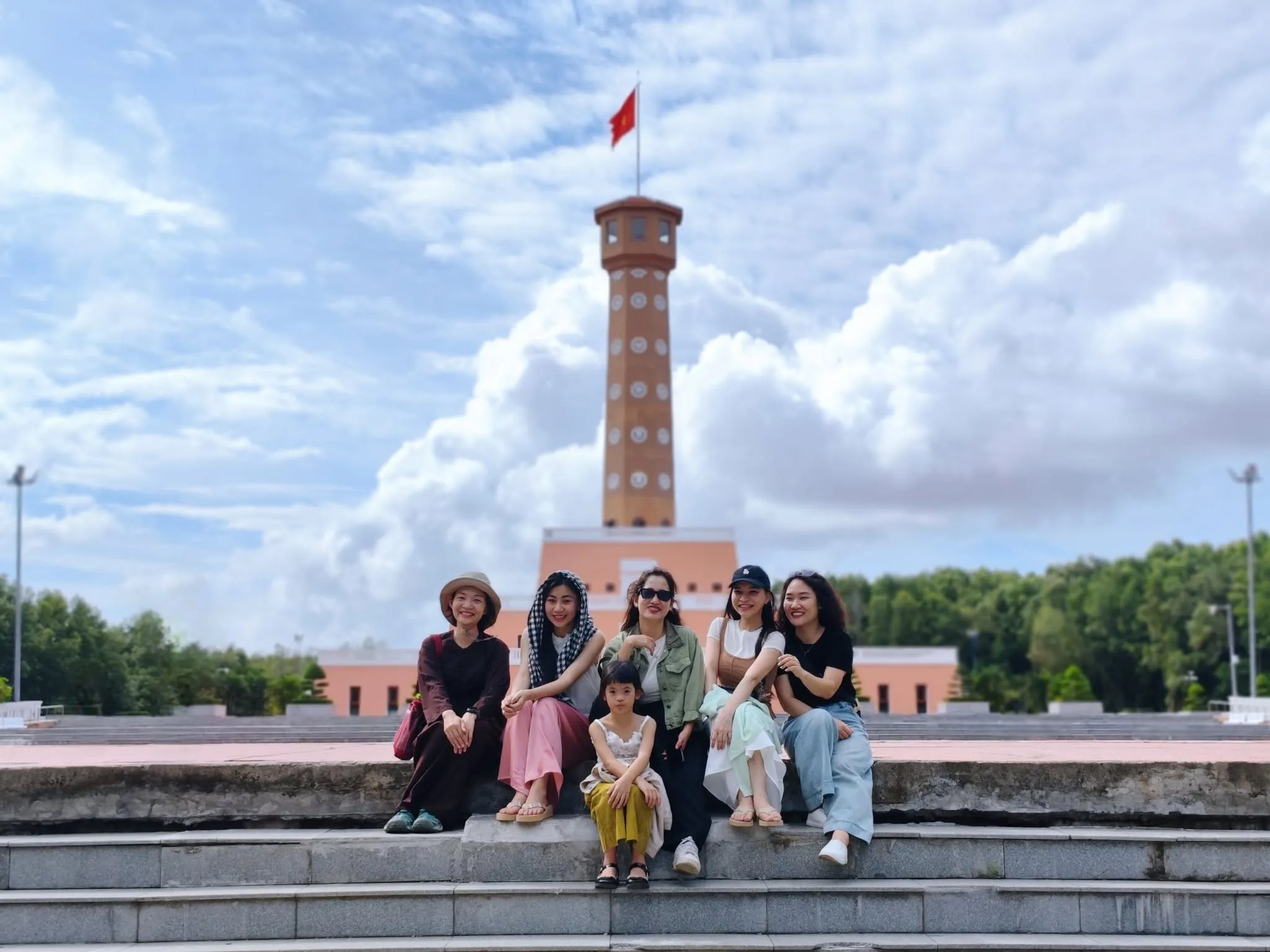
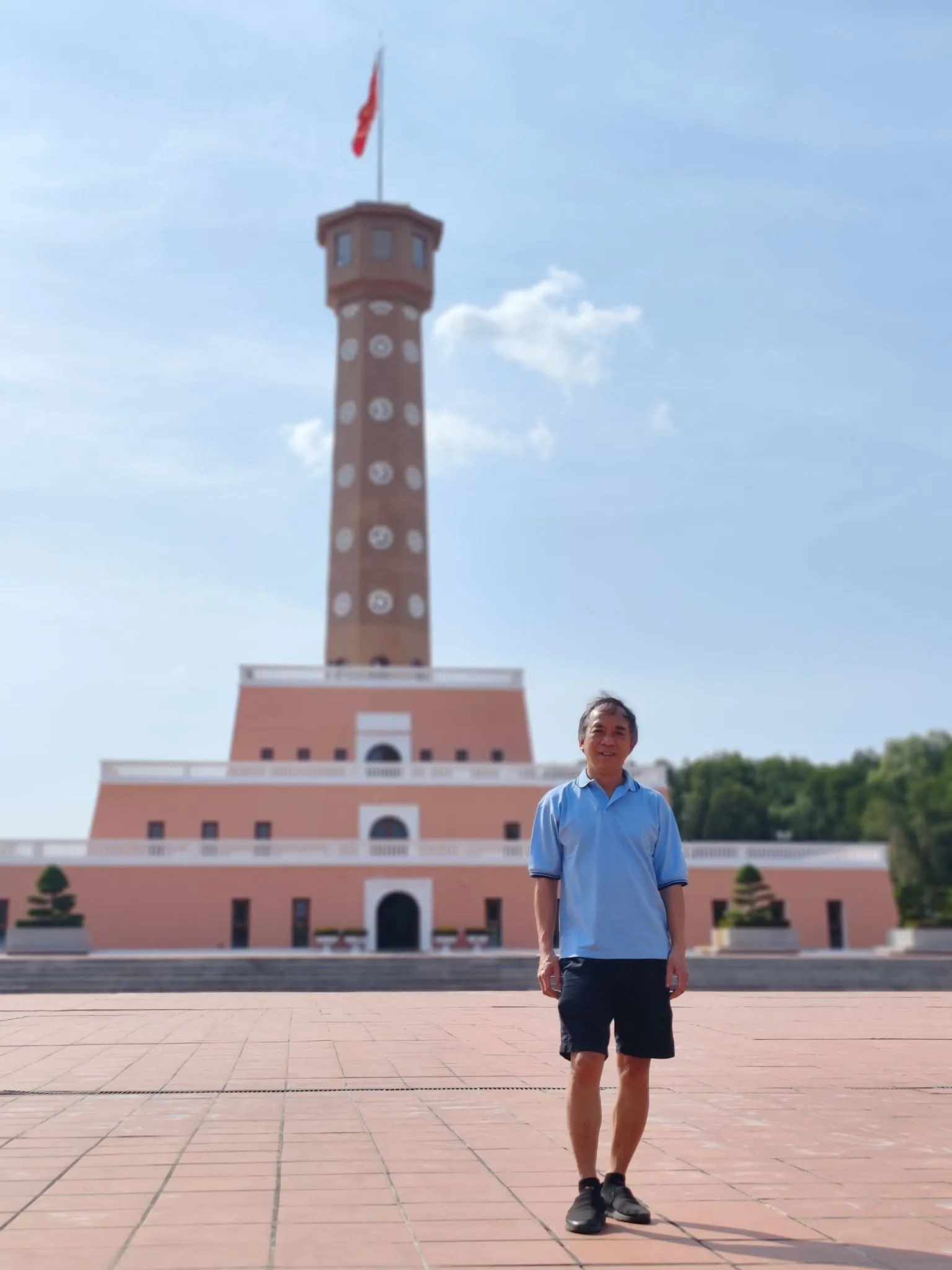
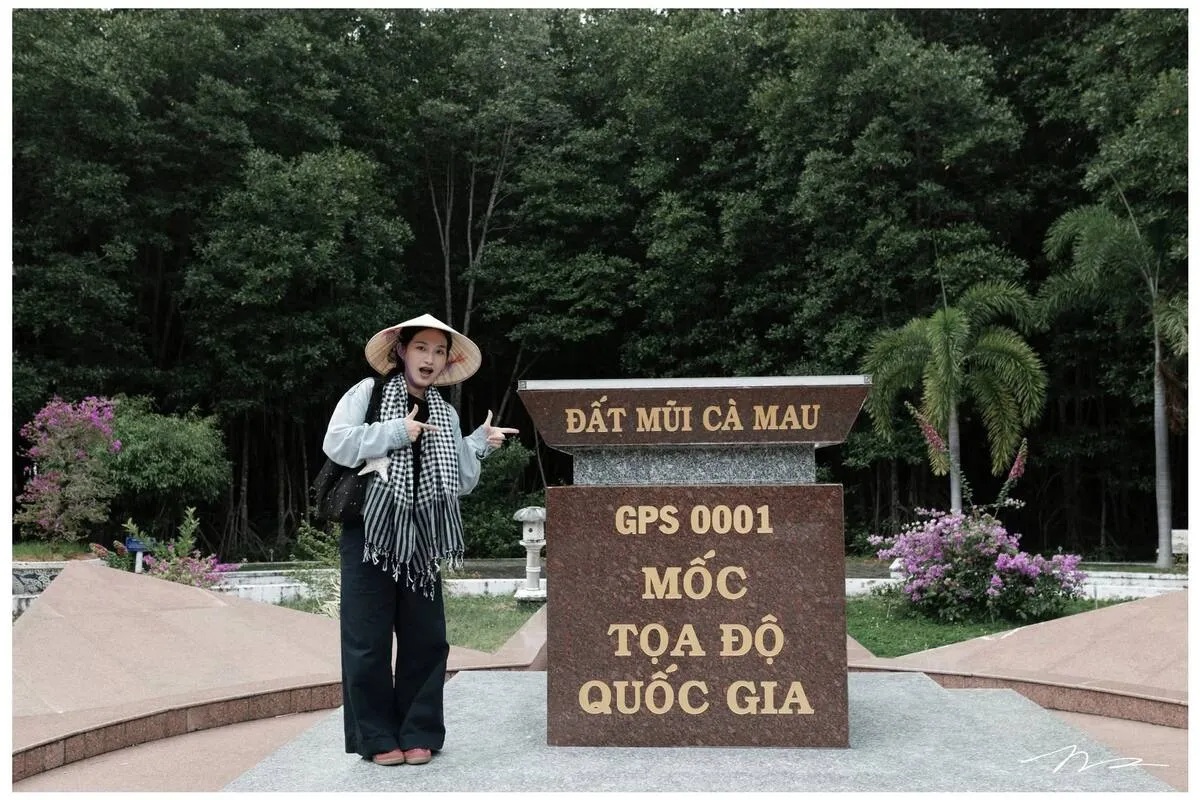
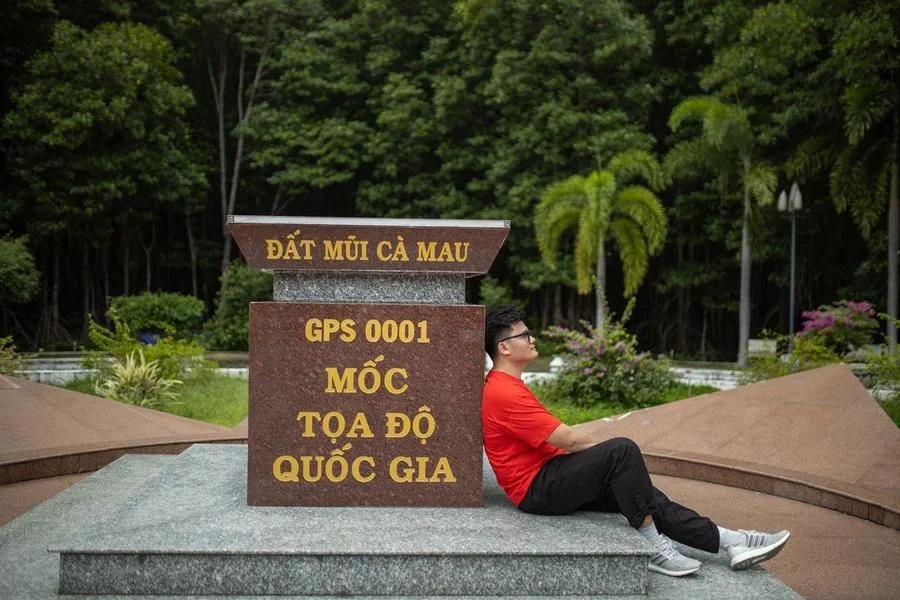
Starting from Dat Mui pier, the canoe takes you through the canals in the heart of the mangrove forest, out to the mudflats and GPS 0001 milestone. This is the route with the most beautiful scenery, suitable for all types of guests. Combined with checking in at the Southernmost milestone.
Route 2 — U Minh Ha Melaleuca Forest (deepest experience)
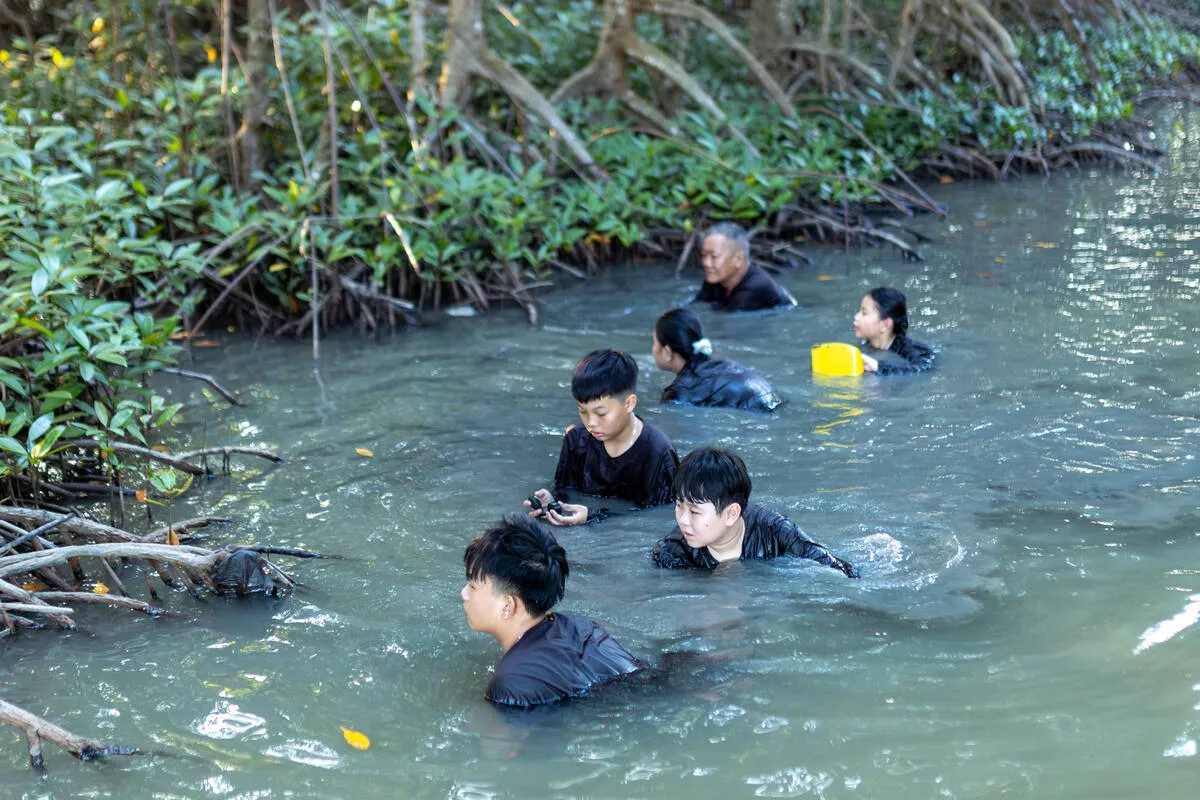
The motorboat weaves through the melaleuca forest canals, navigating through narrow canal sections just enough for 1 boat to pass. Stop to visit raft houses, watch honey bee harvesting, and try catching fish with traps. Suitable for groups wanting a true experience like locals.
Route 3 — Trem River (pristine landscape)
A lesser-known but extremely beautiful route — taking a boat along the Trem River connecting Ca Mau and Kien Giang, with primary melaleuca forests on both sides. In the early morning, it is covered in fog, creating a rare poetic scene.
4. What to Prepare Before Forest Trekking?
What to bring
- Lightweight, waterproof jacket or nylon
- Wide-brimmed hat or conical hat (non la)
- Sunscreen SPF50+
- Shoes/sandals with secure straps
- Waterproof bag for phone, camera
- Enough drinking water for the whole trip
Safety Notes
- Always wear a life jacket on canoe/boat
- Do not reach into mangrove roots (there may be snakes)
- Do not stand up while the canoe is running
- Children under 5 years old should wear their own life jacket
- Do not throw trash into canals
- Notify immediately if feeling unwell
5. Tips for Beautiful Photography in the Mangrove Forest
The mangrove forest is one of the greatest photography backdrops in the West. See more tips for photography & vlogging in Ca Mau to prepare appropriate equipment and techniques. Typical photo angles in the mangrove forest:
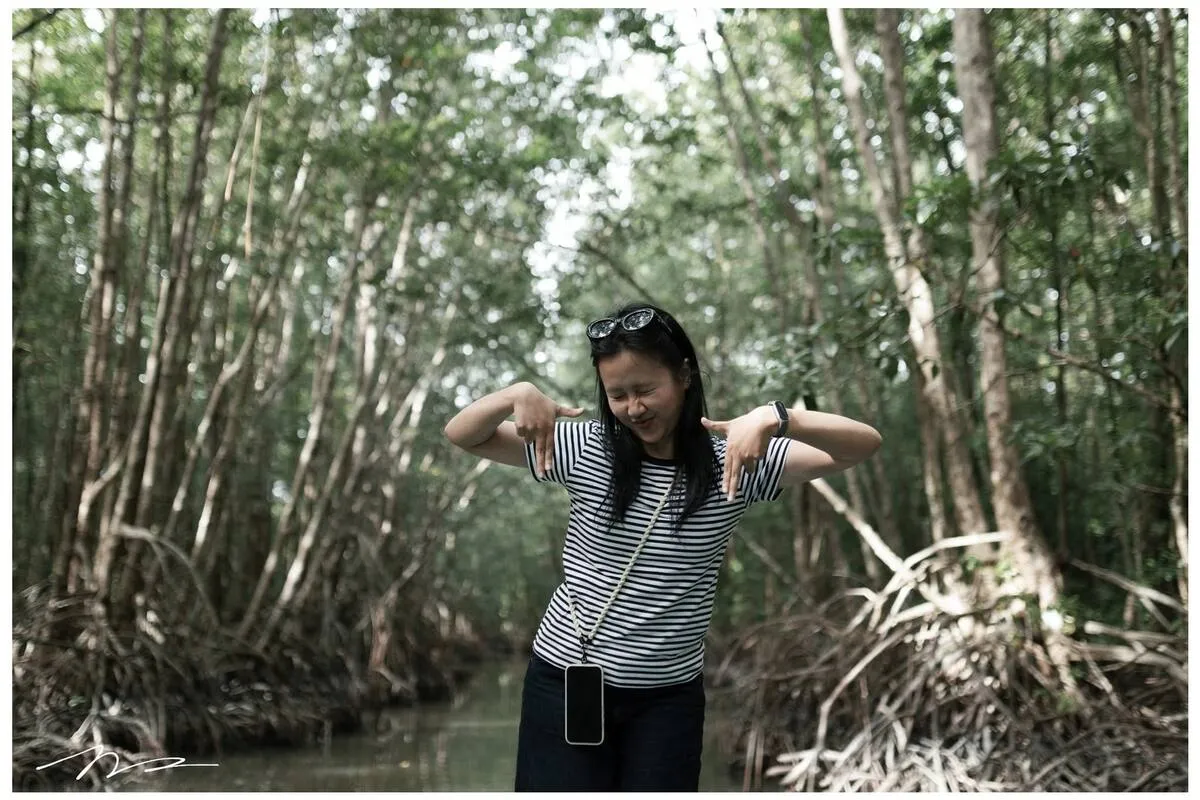
- 📸Tunnel shot: Standing in the middle of the canal looking straight ahead — the two rows of mangroves create a green tunnel leading into depth, this is the most iconic angle of the mangrove forest.
- 🌟Sunlight piercing through leaves: Shoot against the light when sunlight pierces through the mangrove canopy creating "God rays" — you need to use HDR mode or adjust exposure manually.
- 🪞Water reflection: When the canoe stops, the calm canal surface will reflect the entire forest scene — shoot from a low angle to show both the real scene and the reflection.
- 🎋Mangrove roots: The stilt root system creates strange geometric patterns — close-up shots combined with leading lines composition are very artistic.
- 🐦Wildlife: White egrets, quails, jumping fish — need to shoot in burst mode and patiently wait for the moment.
6. Frequently Asked Questions
Is it dangerous to trek through the mangrove forest?
It is very safe if you go with a local guide. All canoes and boats have life jackets. Mr. Bi has guided thousands of guests through the forest for 10 years and no accidents have occurred. The important thing is to follow the guide's instructions.
Can children and the elderly participate?
Motor canoes are suitable for all ages, including children from 3 years old and the elderly. Wooden boats require a bit more stamina. Mr. Bi will advise the appropriate form based on your group's information.
Can I do forest trekking in the rainy season?
You can still go but you need to wear a raincoat. Actually, during the rainy season (May-Oct), the forest is greener and there are fewer guests — the scenery is beautiful in a different way. On heavy rain days or rough seas, the canoe may not be able to go out to sea, but the inland forest routes still operate.
How long does forest trekking take?
Short canoe route (Ca Mau Cape): 45-60 minutes. Motorboat route (U Minh Ha): 2-3 hours. A full-day tour can combine both depending on the customized itinerary.
Which season is best for a mangrove canoe trip?
The dry season (Nov-Apr) is ideal: clear water, easy paths, fewer mosquitoes, beautiful sunlight. However, in the rainy season (May-Oct), the forest is greener and the landscape is lusher — suitable for those who love nature photography.
What should I wear for the canoe trip?
Wear a light jacket or long-sleeved shirt for sun protection and to avoid mosquitoes. Secure sandals or sturdy sneakers (no high heels). Bring a wide-brimmed hat and SPF50+ sunscreen. On the canoe, it is mandatory to wear a life jacket — provided by the guide.
Book Your Mangrove Forest Trekking Tour Today
Mr. Bi — a tour guide born in the mangrove forest — will take you to the most beautiful corners that independent travelers can never find.
Related Articles

Written by
Tran Bi (Founder of Ba Ngoai Homestay)
Tran Bi is a local tourism expert with over 10 years of experience guiding visitors through Cape Ca Mau and the U Minh mangrove forests.
Experience Ca Mau Ecotourism Firsthand
Join our local guides to explore the mangrove forests, catch mud crabs, harvest wild honey, and stay at our cozy homestay.