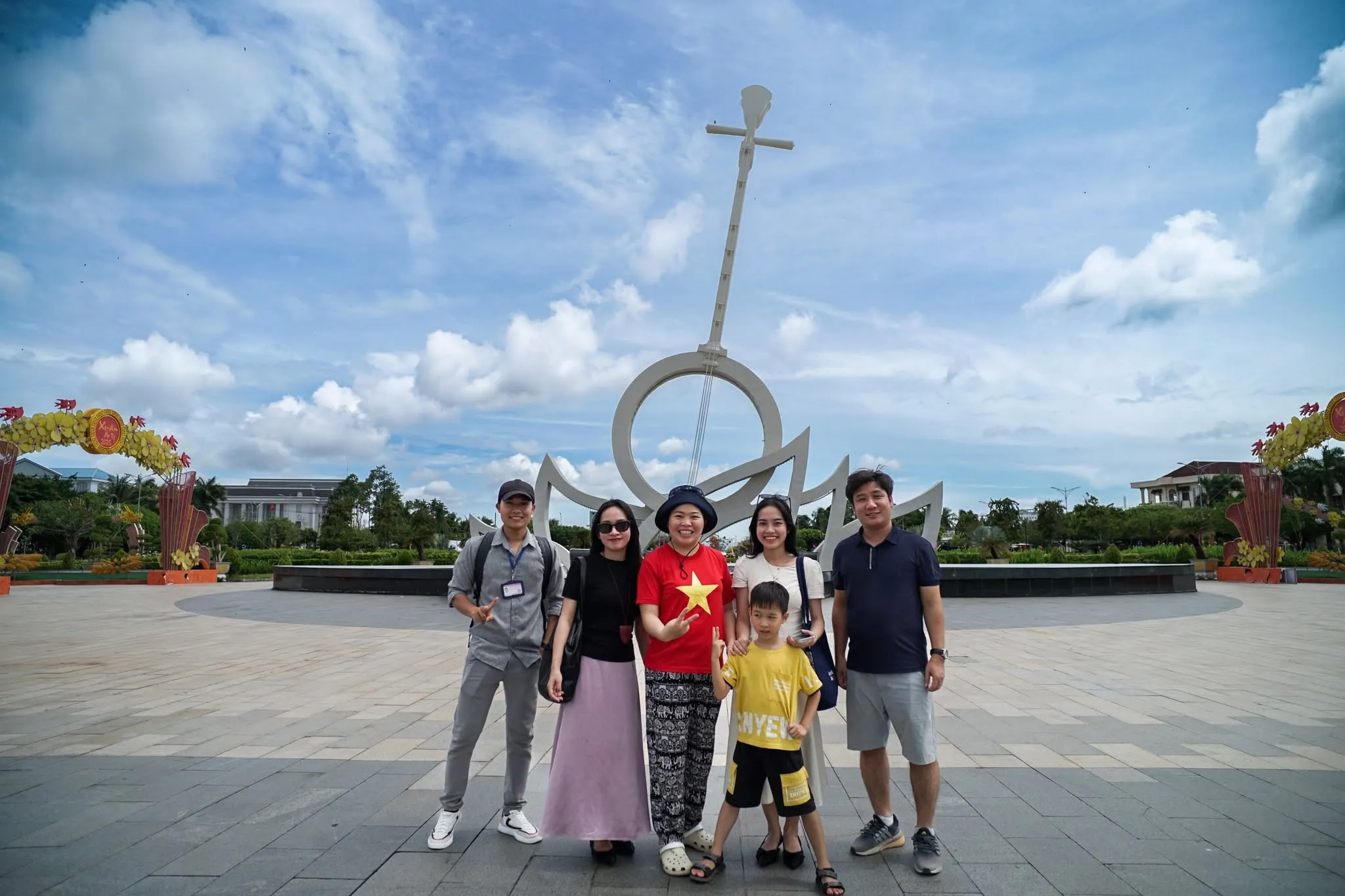
The Mekong River is one of the largest rivers in the world, the lifeblood that built the prosperous wet rice civilization of the Mekong Delta. For the people of Southwest Vietnam in general and Ca Mau in particular, this river is the refreshing source of life bringing fertile alluvium to enrich the fields and shelter tens of millions of lives for generations.
Length
Approx 4,800 km,
12th largest globally
Vietnamese Name
Cuu Long River
(Nine Dragons)
Role
Alluvium deposit,
rice & seafood bowl
Experiences
Floating markets, boating,
exploring mangroves
1. Origin of the Mekong River
Originating from the perpetual snowcaps of the towering Tibetan Plateau, the Mekong River flows southward, crossing the rugged gorges of China (where it is known as Lancang Jiang), forming natural borders between Myanmar, Laos, and Thailand, continuing through Cambodia's rich Tonle Sap basin before branching into Vietnam.
Over 4,800 km in length creates one of the most biodiverse river basins on the planet, second only to South America's Amazon River basin. It is the common home to thousands of endemic freshwater fish species and rare submerged vegetation.
2. The Legendary Cuu Long River in Vietnam
When entering Vietnamese territory in An Giang province, the river splits into two major branches: the Tien River and the Hau River. The magic lies in how the river continues to separate and weave through a dense network of canals before emptying into the East Sea through nine great estuaries, which is why ancient folklore reverently named it the Cuu Long River (Nine Dragons):
- Tien River splits into the following estuaries: Tieu, Dai, Ba Lai, Ham Luong, Co Chien, Cung Hau.
- Hau River flows into these estuaries: Dinh An, Tran De, Bassac (Ba Thac estuary).
Although today, natural alluvial deposition and irrigation dams have caused the Ba Lai and Bassac estuaries to disappear, the spirit of revering the sacred Cuu Long River remains an immortal symbol of the Western region of Vietnam.
3. The Great Ecological and Economic Role in Southwest Vietnam
The Mekong Delta is fully embraced by the rich alluvium of the Mekong River, deposited over thousands of years. The red alluvial water helps rice fields bear golden grains, providing a sweet nutritional source to nourish meaty shrimp and the famous rich and fatty Nam Can mud crabs. The Mekong River creates the country's largest rice bowl and an orchard bursting with fruit all year round.
In Ca Mau, the current continues to weave through shady small canals, mixing with the salty sea to create a unique ecosystem of mangroves and nipa palms. The floating season from September to November each year is when the gift of alluvium floods the fields, and linh fish head downstream from the upper reaches, bringing a bountiful harvest for fishermen.
4. Incredible Mekong River Ecotourism Experiences at Ba Ngoai Homestay
Returning to Ca Mau, visitors will experience the rustic and authentic lifestyle closely tied to the Mekong - Cuu Long rivers:
- Rowing a traditional three-plank boat weaving under the canopy of submerged forests, listening to the wild calls of birds and gibbons.
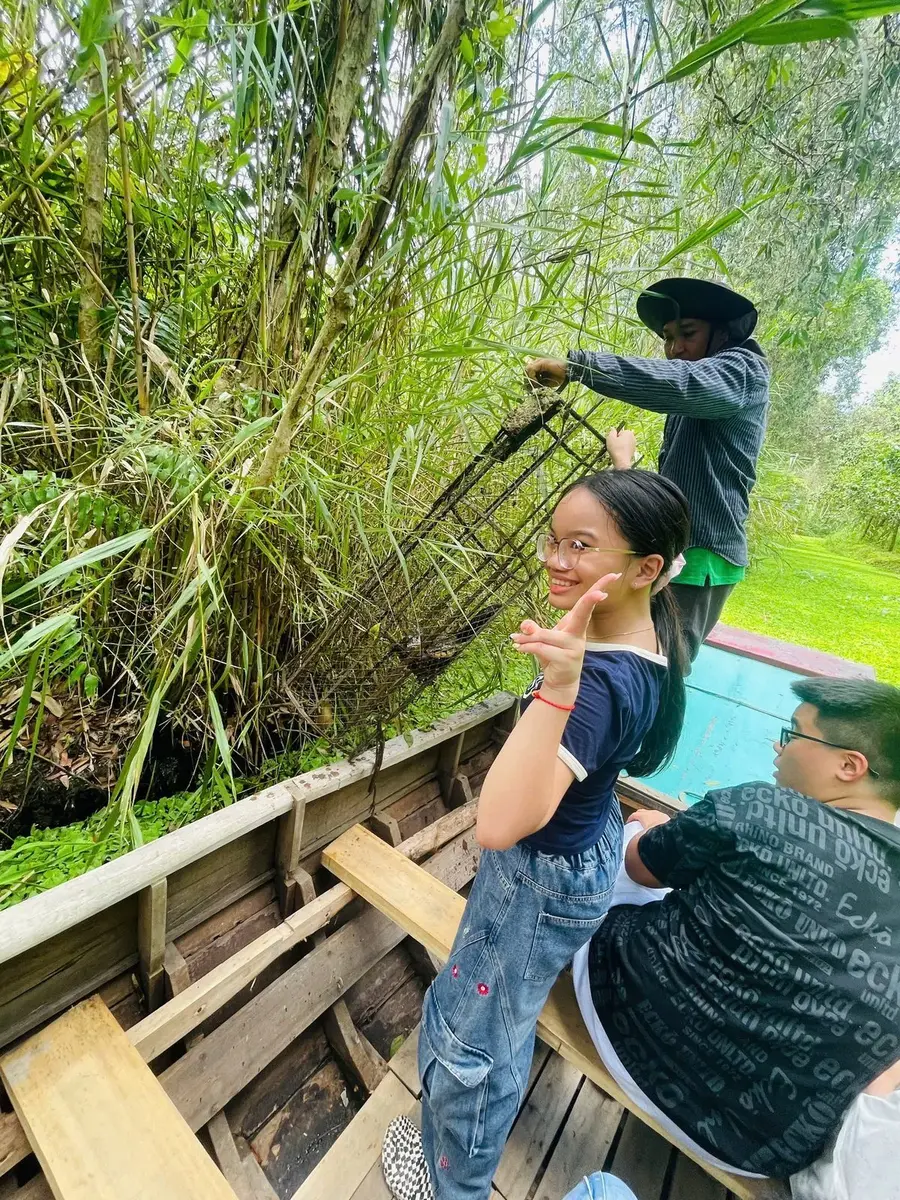
- Riding a high-speed vo lai boat across vast rivers to harvest traps for rich Nam Can mud crabs alongside skilled local farmers.
- Experiencing the garden lifestyle culture, hand-grilling river fish in a hollow bamboo tube, dipping it in chili salt beside a breezy thatched hut by the river at Ba Ngoai Homestay.
In Ca Mau, the current continues to weave through shady small canals, mixing with the salty sea to create a unique ecosystem of mangroves and nipa palms. The floating season from September to November each year is when the gift of alluvium floods the fields, and linh fish head downstream from the upper reaches, bringing a bountiful harvest for fishermen.
4. Incredible Mekong River Ecotourism Experiences at Ba Ngoai Homestay
Returning to Ca Mau, visitors will experience the rustic and authentic lifestyle closely tied to the Mekong - Cuu Long rivers:
- Rowing a traditional three-plank boat weaving under the canopy of submerged forests, listening to the wild calls of birds and gibbons.
- Riding a high-speed vo lai boat across vast rivers to harvest traps for rich Nam Can mud crabs alongside skilled local farmers.
- Experiencing the garden lifestyle culture, hand-grilling river fish in a hollow bamboo tube, dipping it in chili salt beside a breezy thatched hut by the river at Ba Ngoai Homestay.
Frequently Asked Questions
How many estuaries does the Mekong River currently use to flow into the East Sea?
Historically, the river flowed out through nine estuaries. However, only 7 active estuaries remain today, as the Ba Lai estuary has been completely dammed and the Ba Thac estuary has been filled with silt and stopped flowing since the last century.
Which season is the Mekong River most abundant?
That is the Western floating season, lasting from about September to the end of November every year. The water carries a rich amount of red alluvium flooding the fields, along with special linh fish and fresh water lilies.
References
To ensure total objectivity, absolute accuracy, and respect for copyright, scientific information in this article has been referenced and cross-checked from the following official sources:
- Mekong River Commission (MRC): Water resources and biodiversity monitoring reports of the Mekong River basin.
- Department of Water Resources Management - Ministry of Natural Resources and Environment of Vietnam: Statistics on flow of Tien and Hau Rivers and saltwater intrusion in the Mekong Delta.
- World Wide Fund for Nature (WWF): Biodiversity reports on the freshwater ecosystems of the Mekong River.
- Vietnam National Authority of Tourism: Guidelines for sustainable ecotourism development in the Southern region.
Experience Authentic Western River Life
Book an outdoor river tour, paddle a three-plank boat to catch wild fish and crabs at Ba Ngoai Homestay to fully feel the soul of the majestic Mother River.
BOOK A TOUR NOW
Written by
Tran Bi (Founder of Ba Ngoai Homestay)
Tran Bi is a local tourism expert with over 10 years of experience guiding visitors through Cape Ca Mau and the U Minh mangrove forests.
Experience Ca Mau Ecotourism Firsthand
Join our local guides to explore the mangrove forests, catch mud crabs, harvest wild honey, and stay at our cozy homestay.