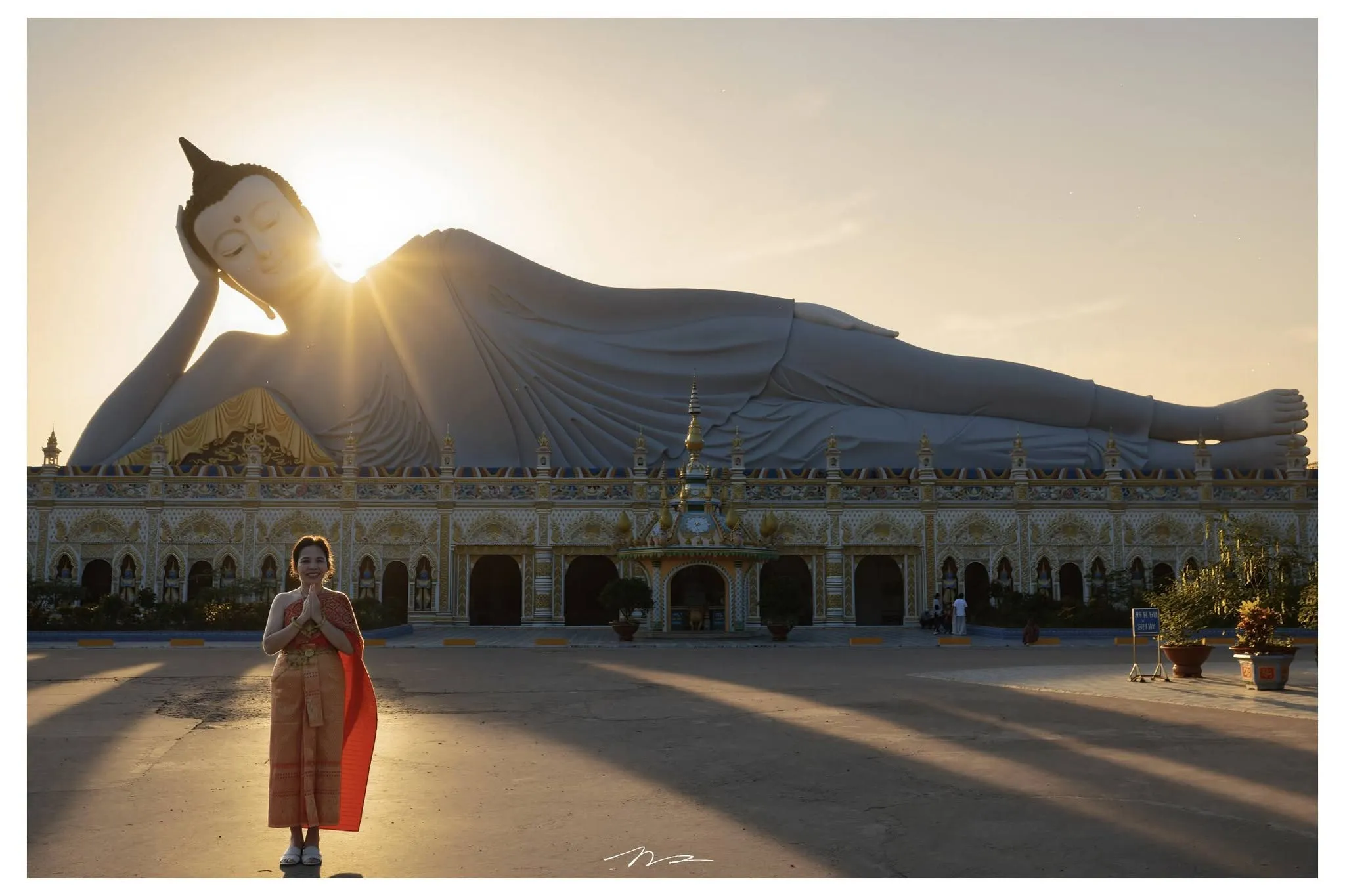
Alongside the rich wetland ecosystem, Cà Mau houses deeply meaningful historical sites. Recently, a grand monument commemorating the 1954 Regrouping Event was inaugurated in Sông Đốc Town, shaped like a massive vessel setting sail. This has become a key historical and cultural attraction for visitors wishing to learn about the country's past and take commemorative photos.
Design
Huge ship shape
carved from granite
Event Year
November 1954
Geneva Accords
Location
Sông Đốc Town,
Tran Van Thoi District
Purpose
Sightseeing, education,
and cultural exchange
1. The Sacred History of the 1954 Regrouping Event
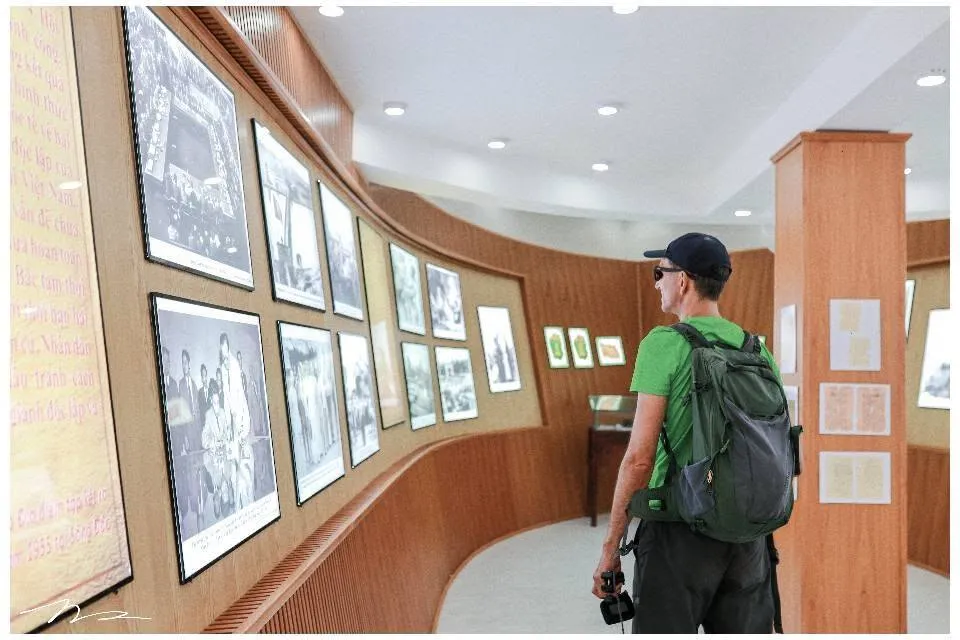
Late in 1954, following the world-resounding Điện Biên Phủ victory, the Geneva Accords dictated a temporary military regrouping between the North and South of Vietnam. Cà Mau (with Ông Đốc River mouth as a key port) was chosen as a major gathering zone for Southern resistance forces before boarding vessels.
During the 200 days of troop movement, tens of thousands of Southern soldiers, cadres, and students boarded Polish transport ships to go north for education and reconstruction, forming a vital core for the country's future reunification. This event remains a symbol of national solidarity.
2. The Unique Architecture of the Sông Đốc Ship Monument
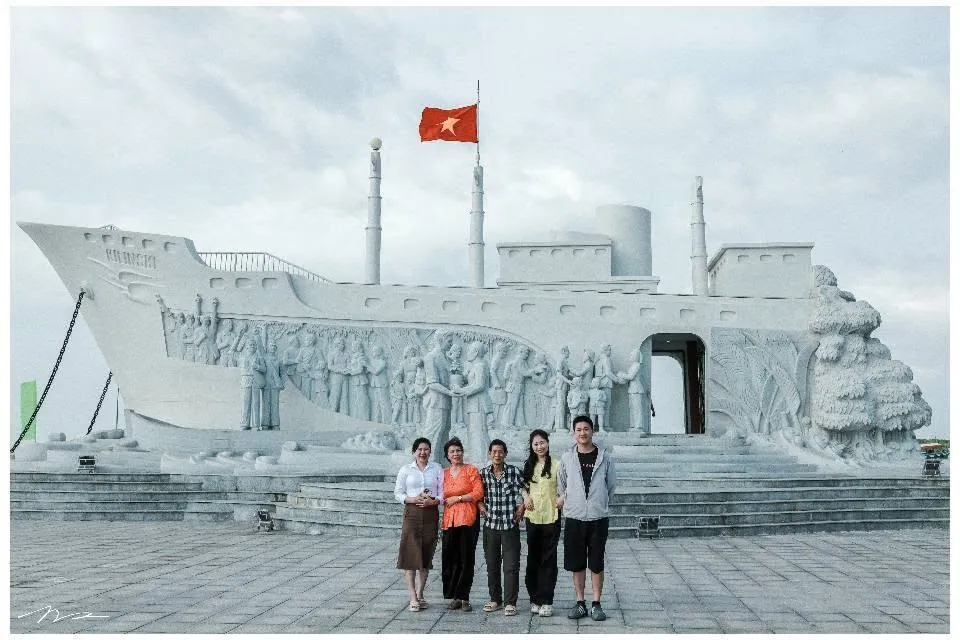
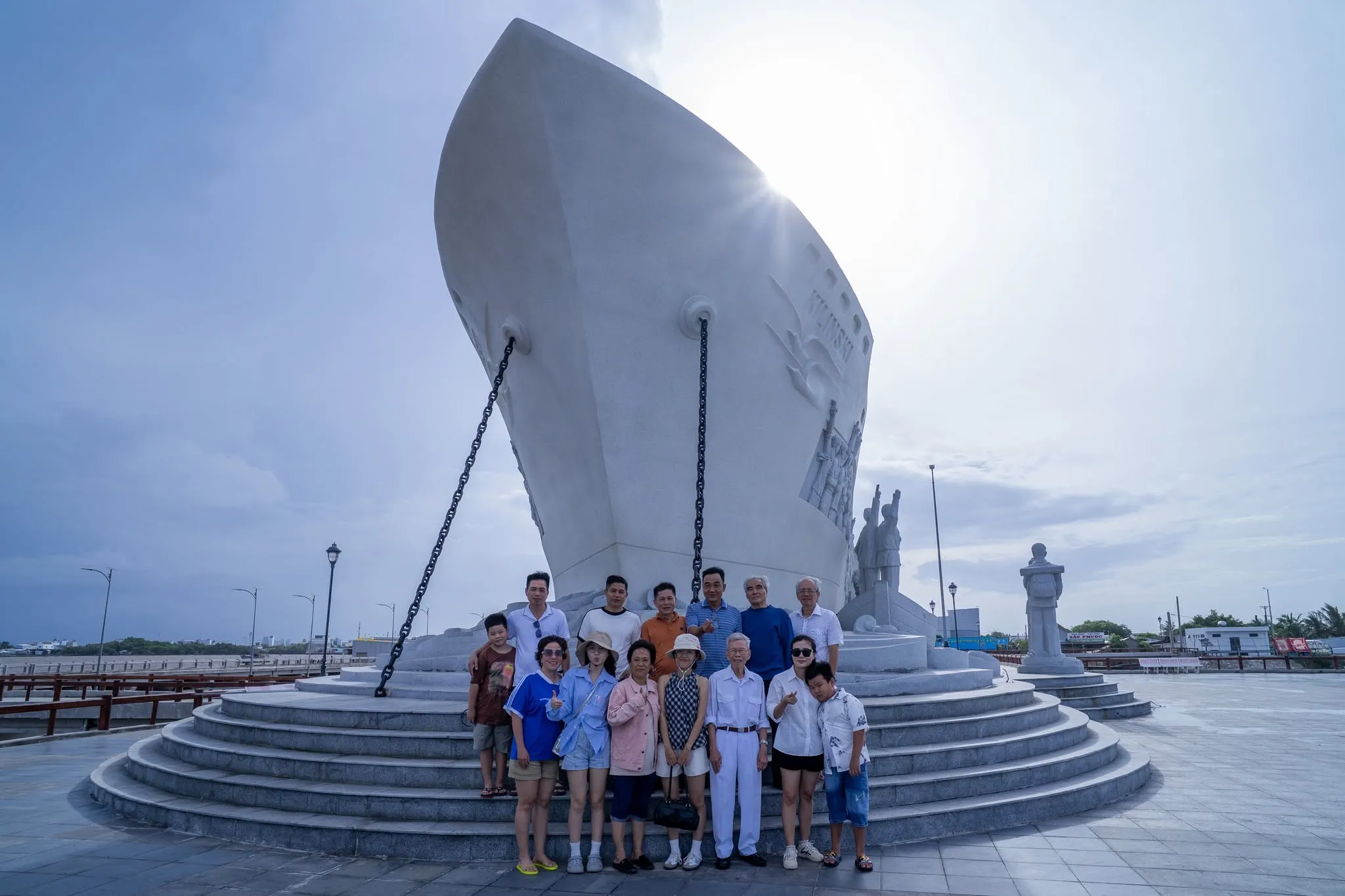
The monument was officially inaugurated to mark the 70th anniversary of the regrouping event. The most prominent feature of this park is a large ship sculpture made of high-quality granite, measuring 25 meters in length and 10.5 meters in height, pointing directly out to the Sông Đốc estuary.
The sides of the ship are carved with detailed reliefs illustrating the enthusiastic soldiers boarding, local citizens bidding farewell, and the image of President Ho Chi Minh. Taking photos from the side of the hull with the water in the background creates a grand and memorable picture.
3. Combining History and Local Experiences
Sông Đốc Town is only about 20km from Tran Van Thoi District center. Guests staying at Bà Ngoại Homestay can easily reach the monument by taxi or motorbike for a day visit. This meaningful trip is recommended as part of the Cà Mau 3D2N Tour package for family or study groups.
Frequently Asked Questions
Is there an entrance fee for the Sông Đốc Monument?
No. The regrouping monument area is a public cultural park open to the public 24/7 free of charge.
What is the best time of day to take photos at the monument?
Late afternoon from 4:30 PM to 6:00 PM is best. The golden sunset reflects off the granite ship, creating a warm, majestic glow over the estuary.
Reference Sources
To guarantee objectivity, absolute historical accuracy, and respect for intellectual property rights, the historical facts in this article have been cross-checked with the following official records:
- The Agreement on the Cessation of Hostilities in Viet Nam (Geneva Accords of 1954), governing the regrouping and transfer of military forces.
- Official Portal of Ca Mau Province Party Committee (tuyengiaocamau.vn): Historical Outline of the 70th Anniversary of the Regrouping to the North (1954 - 2024).
- Ca Mau Provincial Museum: Scientific documentation for the National Relic classification of the "Regrouping Site on the Southern Bank of Song Ong Doc".
- Decree No. 3037/QD-BVHTTDL by the Ministry of Culture, Sports and Tourism (Vietnam) regarding the classification of National Historical Relics.
Discover Cà Mau's Rich History
Book a combined tour of Sông Đốc Monument, Hòn Đá Bạc, and the U Minh Ha cajeput forest with Bà Ngoại Homestay.
Related Articles

Written by
Tran Bi (Founder of Ba Ngoai Homestay)
Tran Bi is a local tourism expert with over 10 years of experience guiding visitors through Cape Ca Mau and the U Minh mangrove forests.
Experience Ca Mau Ecotourism Firsthand
Join our local guides to explore the mangrove forests, catch mud crabs, harvest wild honey, and stay at our cozy homestay.