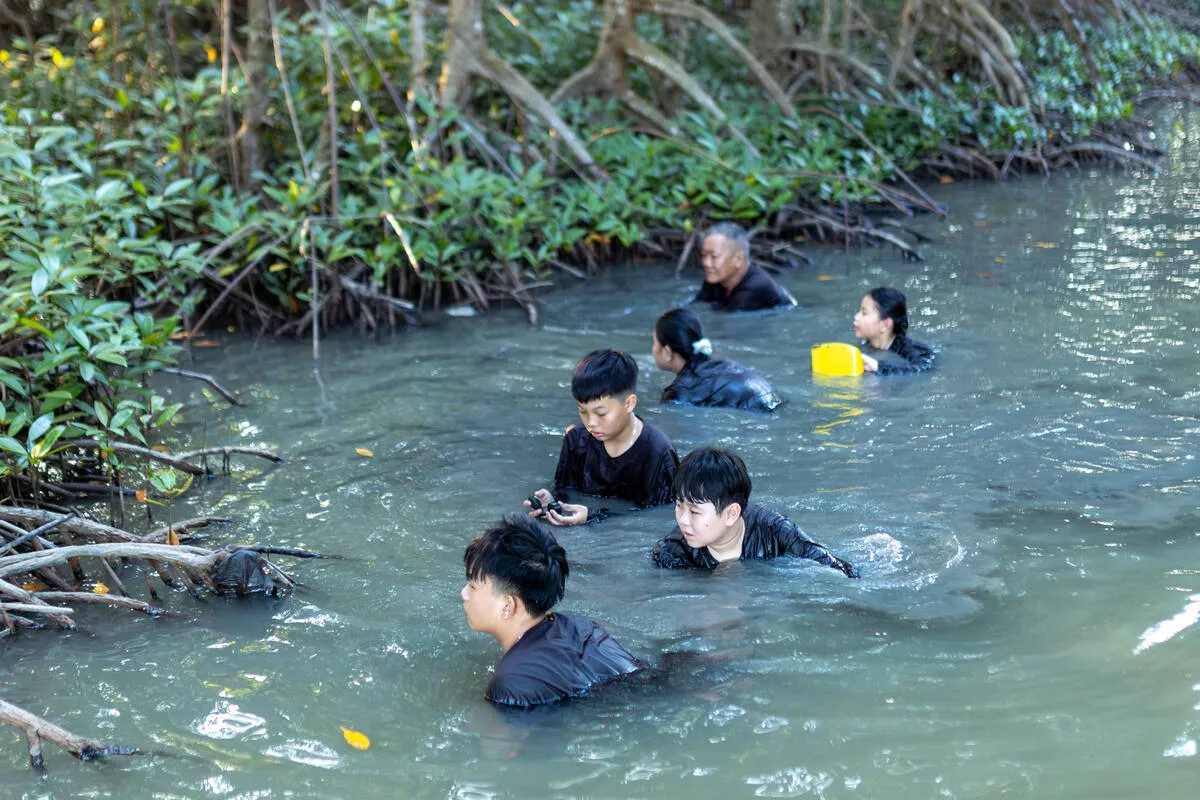
Many people only think of Ca Mau Cape — the southernmost point of the country — when they hear about Ca Mau. But in reality, this southernmost province hides dozens of fascinating destinations that few tourists know about. As someone born and raised in this land, Mr. Bi (Bà Ngoại Homestay) will guide you through all the most worthwhile places to visit in Ca Mau — from pristine nature to unique local culture.
1. Ca Mau Cape — The Southernmost Point of Vietnam
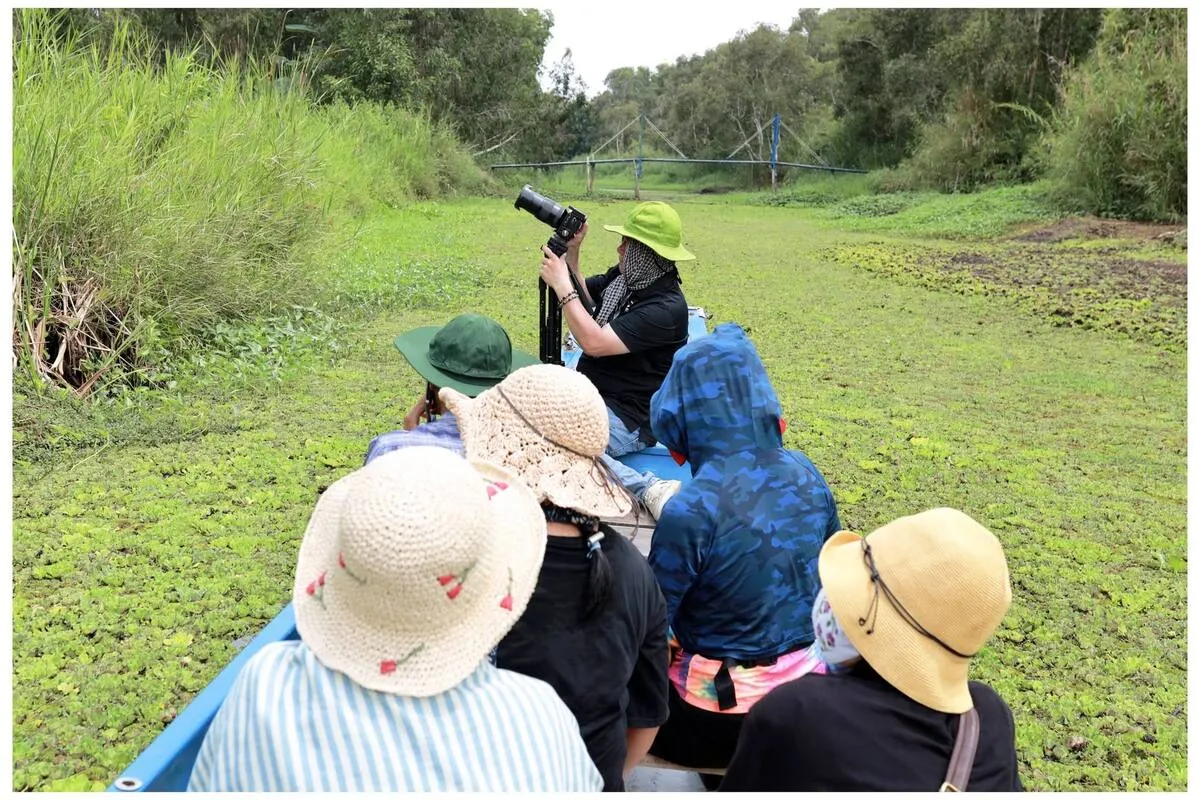
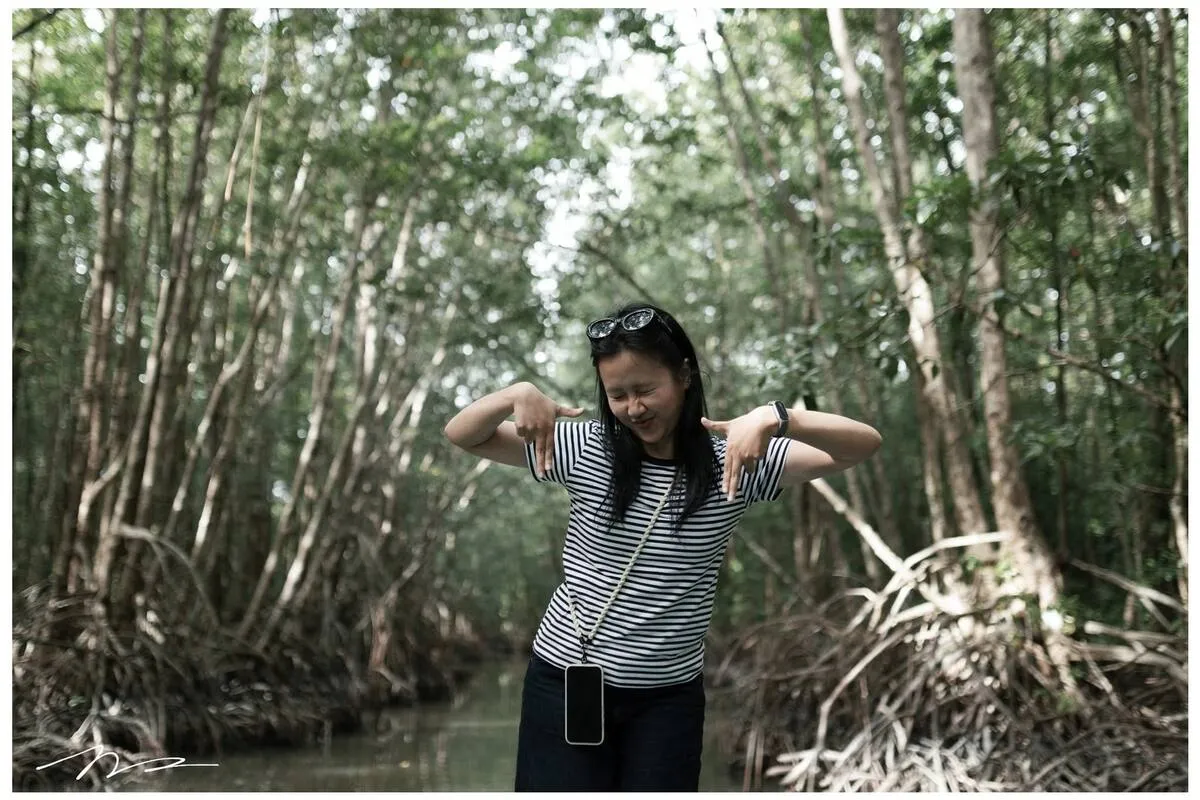
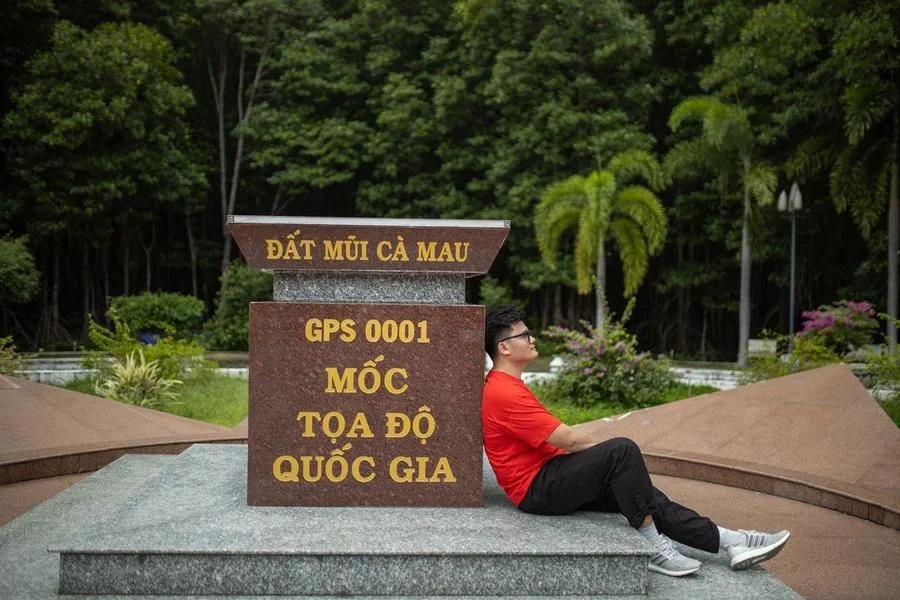
No need for much introduction — this is the symbol of Ca Mau and a destination everyone must visit at least once. The GPS 0001 landmark at the southernmost point of mainland Vietnam, the ever-expanding alluvial plain, and the canoe trip through the lush green mangrove forest are irreplaceable experiences.
Special feature: Ca Mau Cape is the only place in Vietnam where you can watch the sunrise over the East Sea and set over the West Sea on the same day. Ca Mau Cape National Park was recognized by UNESCO as a World Biosphere Reserve in 2009. Read more about first-time travel tips for Ca Mau Cape before you go.
2. U Minh Ha Forest — The Mysterious Ancient Melaleuca Forest
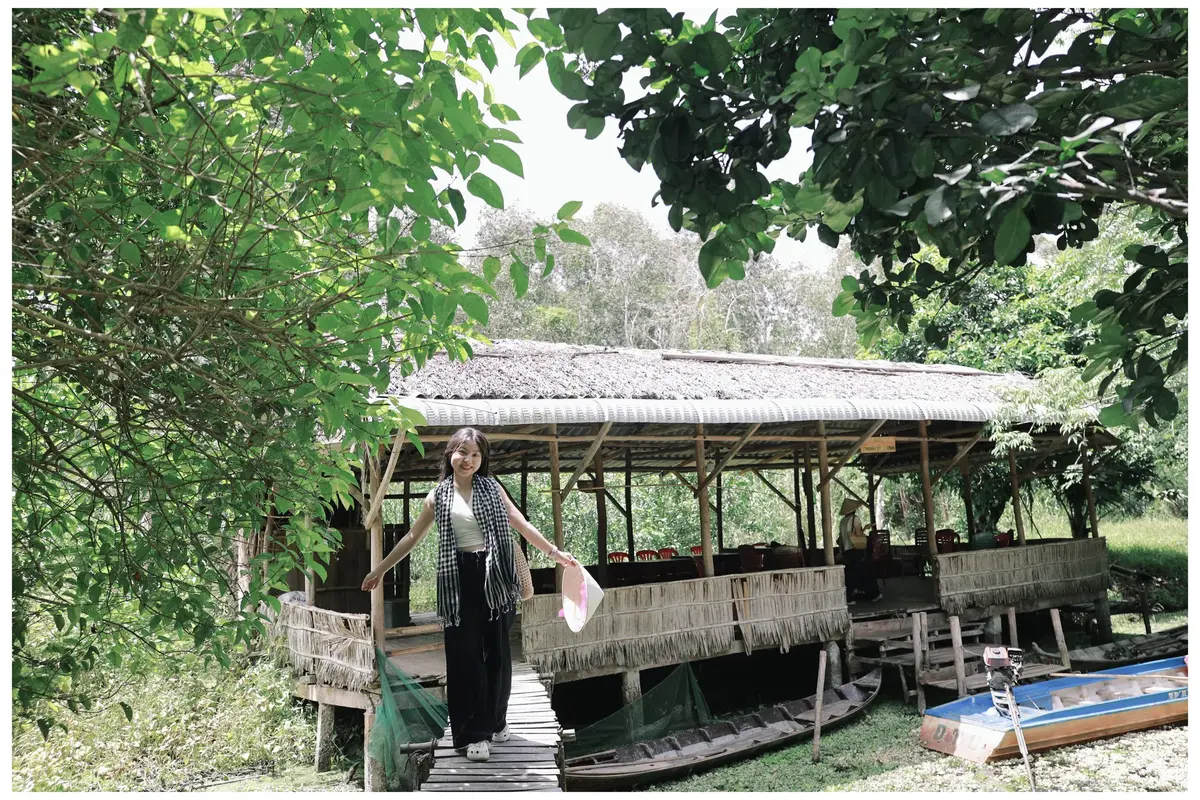
U Minh Ha National Park is the largest remaining pristine melaleuca forest in the Southern region, and also Ca Mau's second World Biosphere Reserve. Here, you'll get to ride a motorboat through overgrown canals, try traditional fishing methods like setting traps for fish and eels — ancestral trades practiced for hundreds of years.
The experience of wild honey harvesting is an exclusive activity only available in U Minh Ha. Melaleuca forest honey has a clear golden color and a distinctive aroma, completely different from commercially farmed honey. See the detailed itinerary in the article about U Minh Ha National Park.
3. Hon Da Bac Island — Mysterious Rocky Island in the Western Sea
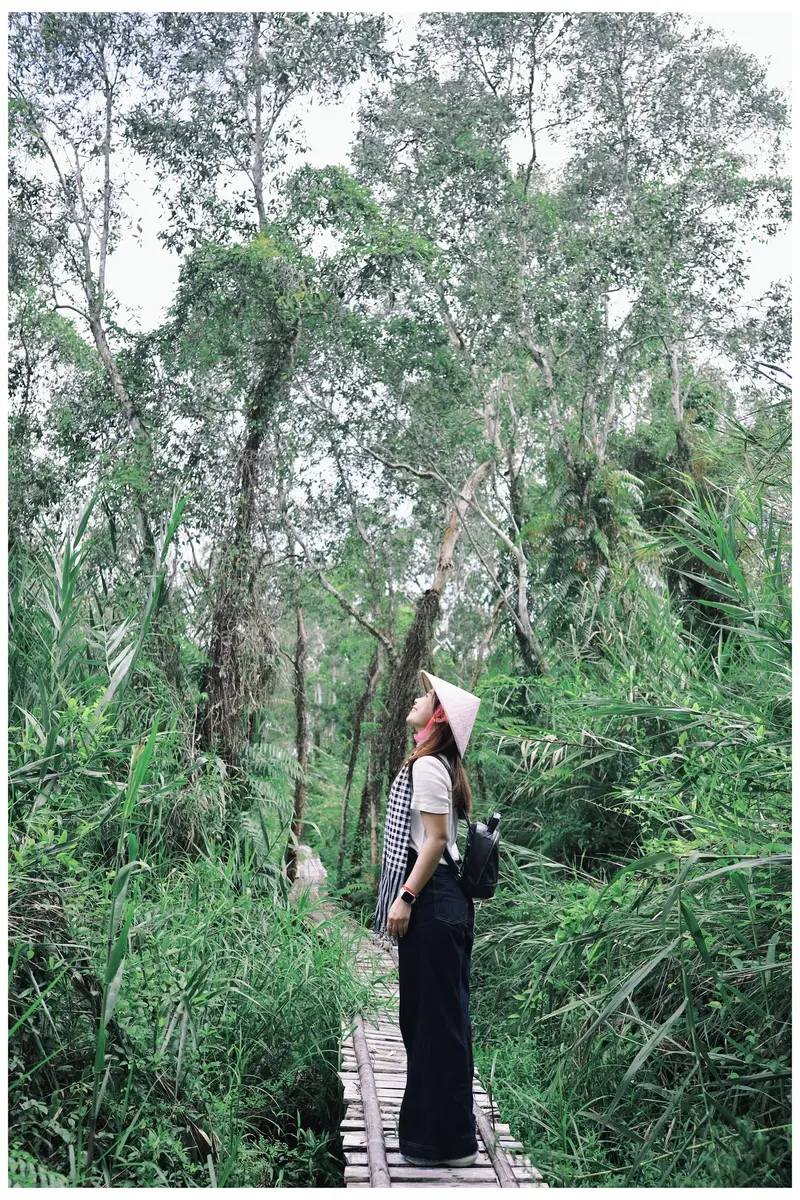
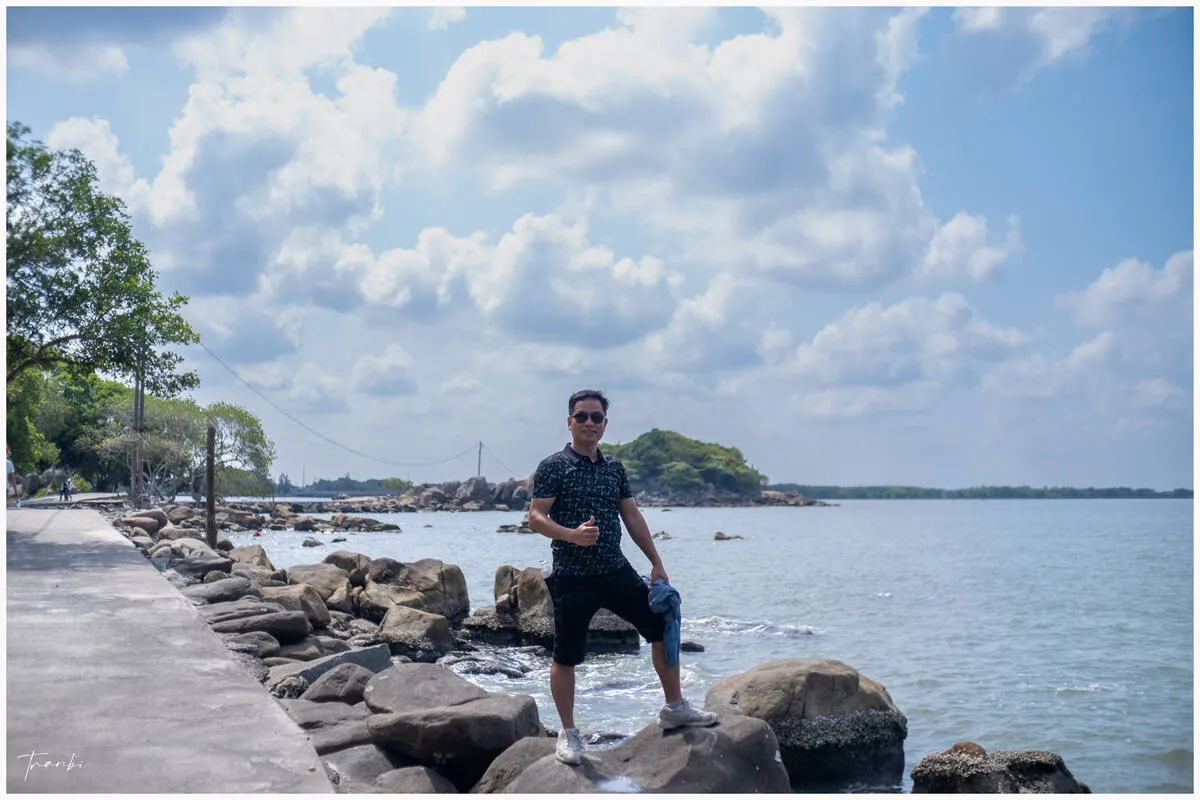
About 50km west of Ca Mau City, Hon Da Bac is a small cluster of islands in the Gulf of Thailand with giant granite rocks stacked on top of each other, creating a magnificent landscape. On the island, there is a temple dedicated to Ho Chi Minh and important historical revolutionary relics.
The sea around Hon Da Bac is clear blue with small waves, suitable for swimming and snorkeling. Seafood here — especially blue crabs and lobsters — is very fresh and significantly cheaper than on the mainland.
4. Thi Tuong Lagoon — The Largest Freshwater Lagoon in the Southern Region
Thi Tuong Lagoon, spanning over 3,000 hectares, is the largest natural freshwater lake in the Mekong Delta. It is famous for traditional catfish and snakehead fish farming and is a fishing paradise. Every early morning, the lagoon's surface is as calm as a mirror, reflecting the sky — a perfect scene for artistic photography.
5. T19B Historical Site — Resistance Base Under the Forest Canopy
The T19B historical site in U Minh Ha preserves the resistance base of the Ca Mau Provincial Party Committee during the American War. Visiting this place, you will witness the resilient life and struggle of the Ca Mau army and people amidst the melaleuca forest — a heroic chapter of history worth exploring.
6. Con Ong Trang — Pristine Alluvial Islet, Untouched by Development
Located in Ngoc Hien district, Con Ong Trang is a natural alluvial islet formed by river sediment. There's no electricity, no hotels, just white sand, blue waves, and pristine mangrove forests. This is a perfect choice for those who want to "detox" from urban life.
7. Trem River — The Legendary River of the Mekong Delta
The Trem River connects Ca Mau and Kien Giang provinces, flowing through the U Minh melaleuca forest region. A boat trip along the Trem River in the early morning is an unforgettable experience — both banks are lined with lush green melaleuca forests, the air is fresh, and sometimes you can even see flocks of white storks flying up from the treetops.
8. Ca Mau Ward 8 Market — A Paradise of Fresh Seafood
If you want to buy fresh seafood at incredibly low prices, Ward 8 Market (seafood night market) is a must-visit. Ca Mau crabs, tiger prawns, goby fish, clams, blood cockles... all are fresh from the sea, just a few hours old. Prices are only about 1/3 compared to Ho Chi Minh City.
9. Thoi Binh Weaving Village
The traditional weaving village in Thoi Binh district is where artisans still preserve the craft of weaving household items from water hyacinth, bamboo, and rattan. Visiting and trying your hand at weaving is a unique cultural experience, especially interesting for children and those who love traditional handicrafts.
10. Ba Ngoai Farmstay — Live Like a True Ca Mau Local
The last — and perhaps most memorable — experience is staying at a local farmstay, waking up at 5 AM to the sound of roosters, cooking over a wood stove, catching mud crabs, and fishing in the canal behind the house. Bà Ngoại Homestay organizes this all-inclusive experience for 1 to 3 days for both family groups and businesses. See more reputable Ca Mau homestays and the article on A-Z independent travel to Ca Mau to plan your complete trip.
Suggested Itinerary Overview
- Day 1: Ca Mau Cape (GPS 0001 landmark + mangrove forest canoe trip + Dat Mui seafood)
- Day 2: U Minh Ha Forest (rowing a boat + fishing + wild honey harvesting + forest lunch)
- Day 3: Hon Da Bac Island or Thi Tuong Lagoon + seafood market + departure
Book a 3-day, 2-night all-inclusive tour at Bà Ngoại Homestay for arranged transportation, boat trips, lunch, and a local guide.
Frequently Asked Questions
How many famous attractions does Ca Mau have?
Ca Mau has over 15 famous attractions. These include: Ca Mau Cape (GPS 0001 landmark), U Minh Ha National Park (UNESCO Biosphere Reserve), Hon Da Bac Island, Thi Tuong Lagoon, Nam Can Floating Market, Dam Doi Bird Sanctuary, and Con Ong Trang.
Should I visit Ca Mau Cape or U Minh Ha first?
It's recommended to visit Ca Mau Cape first (Day 1) as it's the most famous spot and requires a longer journey (needs an early start). Day 2 can be dedicated to U Minh Ha — it's closer and has a more relaxed pace. Both spots deserve a separate day.
Is Ca Mau suitable for families with children?
Very suitable! Children especially enjoy canoeing through mangrove forests, catching mud crabs, and feeding fish from a boat. Children aged 5 and above can participate in most activities. Bà Ngoại Homestay has experience leading family tours with young children, providing life jackets and suitable itineraries.
How many days are needed for a complete trip to Ca Mau?
A minimum of 2 days and 1 night to see Ca Mau Cape. Ideally, 3 days and 2 nights to combine Ca Mau Cape + U Minh Ha + an additional spot (Hon Da Bac Island or a seafood market). If you want a full farmstay experience, 4 days and 3 nights is perfect.
Want to Explore Ca Mau Without Any Worries?
Bà Ngoại Homestay takes care of everything: transportation, boats, lunch, local guides — you just need to arrive and enjoy!
Related Articles

Written by
Tran Bi (Founder of Ba Ngoai Homestay)
Tran Bi is a local tourism expert with over 10 years of experience guiding visitors through Cape Ca Mau and the U Minh mangrove forests.
Experience Ca Mau Ecotourism Firsthand
Join our local guides to explore the mangrove forests, catch mud crabs, harvest wild honey, and stay at our cozy homestay.