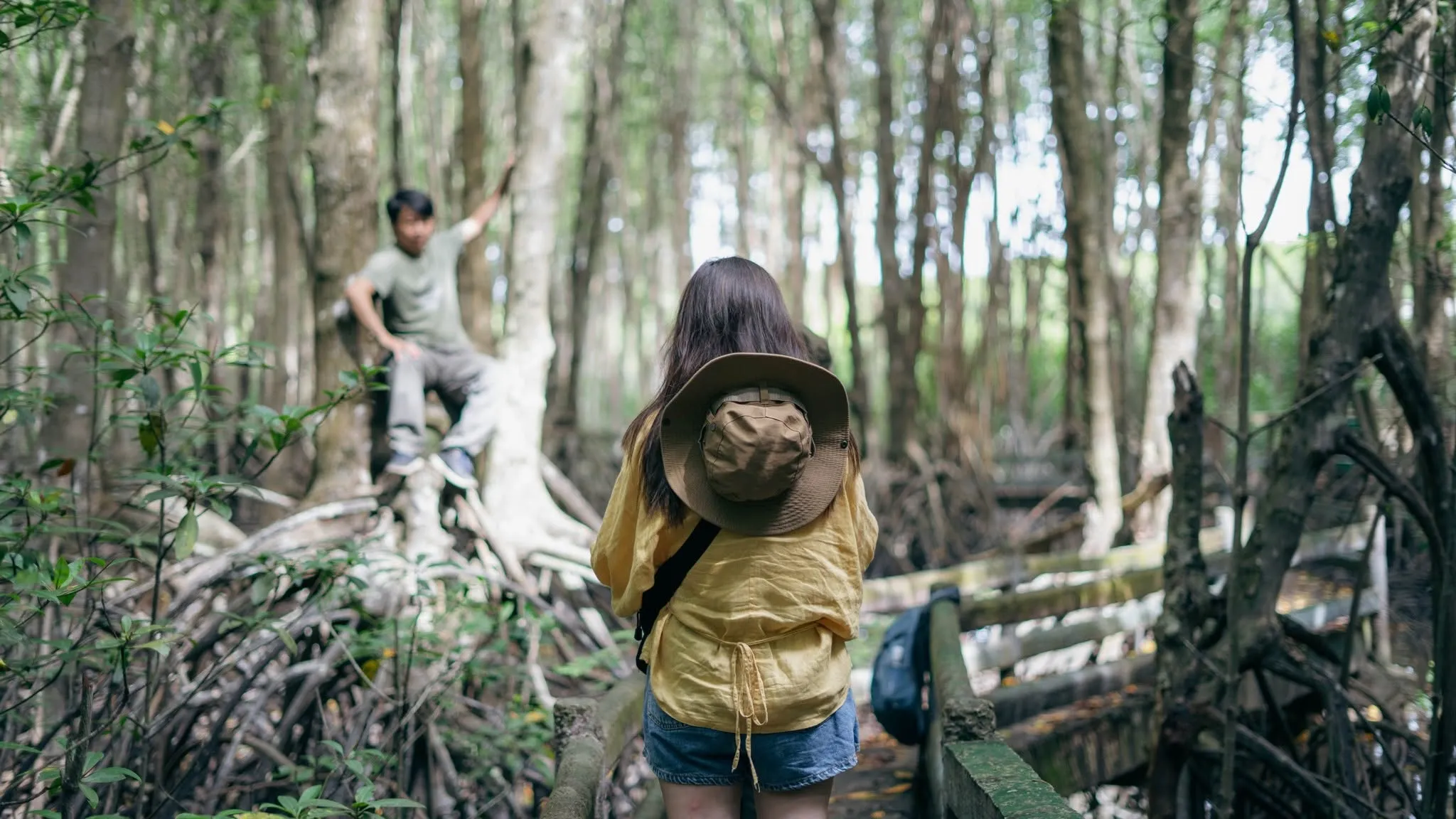
Vietnam is a trekking paradise with diverse terrains ranging from the high mountains in the North to the mangrove forests in the South. Each destination brings a completely different trekking experience — not only in scenery but also in culture, ecology, and difficulty. This article compiles the 3 most outstanding trekking destinations, with detailed comparisons to help you choose the right tour. Read more Sapa vs Ha Giang vs Mekong Delta comparison to decide your first destination.
1. Trekking Sapa — Terraced Fields & Fansipan Peak (3,143m)
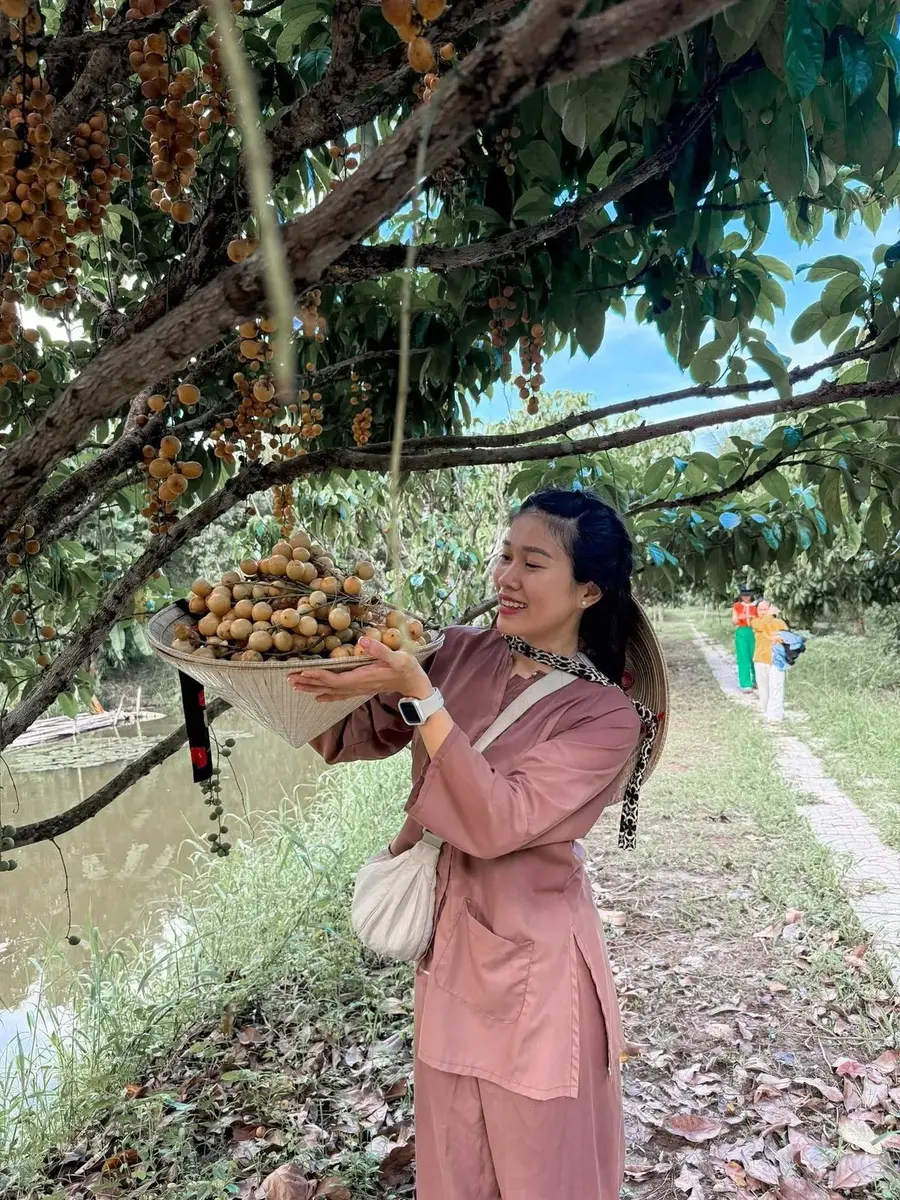
Fansipan — "The Roof of Indochina" — can be trekked in 3 days through the primary forest with a H'mong guide, or taken by a 15-minute cable car if you want it simpler. Walking trekking goes through coniferous forests, rocky streams, clouds — the landscape changes completely at each altitude.
Cat Cat Village, Y Linh Ho, Ta Van: 1-day trekking through ethnic villages, waterfalls, terraced fields. Suitable for all fitness levels. Best season: September–October (golden rice) and March–April (peach blossoms blooming).
2. Trekking Ha Giang — Dong Van Karst Plateau & Ma Pi Leng Pass

Ma Pi Leng Pass — one of the four great mountain passes in Vietnam, 1,200–2,000m high, with vertical cliffs along the deep blue Nho Que river. Most tourists go by motorbike, but there are walking sections along the cliffs for a truly pinnacle feeling.
Lung Cu Flag Tower — the Northernmost point of the Fatherland, climbing 389 steps. Buckwheat flowers in October–November stretch on the limestone background — a unique natural wonder of Vietnam, only found in Ha Giang.
3. Trekking Ca Mau Mangrove Forest — Unique Trekking in Vietnam (And the World)
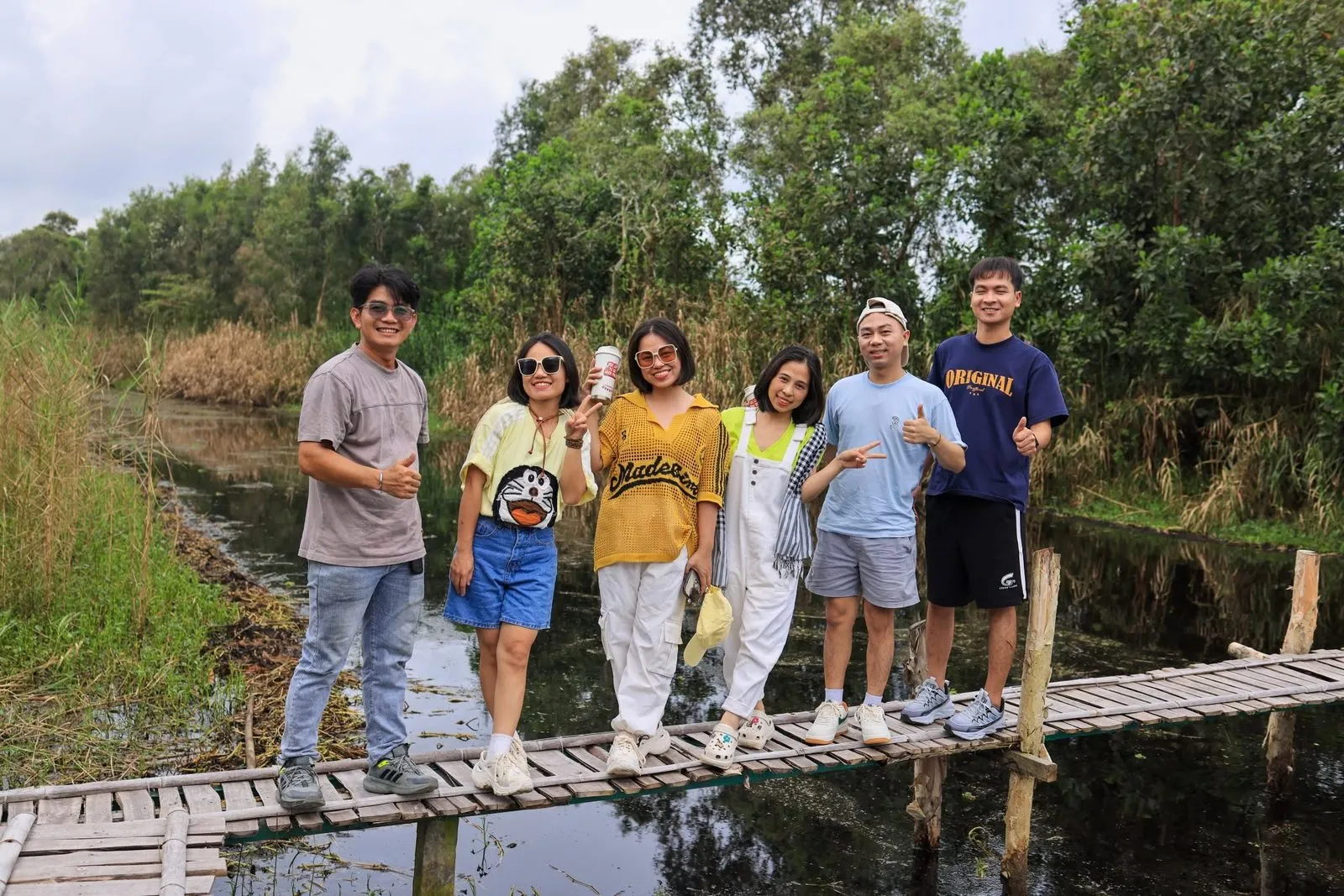
Ca Mau mangrove forest is over 73,000ha wide — the largest in Southeast Asia and one of the greatest mangrove forests in the world. Trekking through the mangrove forest is a style unlike anywhere else: a canoe rushes through narrow canals under a thick green canopy, then walking on wooden trails in the middle of the forest.
Green crabs climbing mangrove roots, water birds flying up, light filtering through the canopy creates a space like a mythical forest. And the finishing point is Ca Mau Cape — the Southernmost point of the Fatherland — perfectly symmetrical with Lung Cu flag tower (Northernmost) that many tourists have done before. Explore more journey to conquer the 4 poles of Vietnam.
🌟 Many tourists complete "conquering the two ends of the Fatherland": Lung Cu → Ca Mau Cape — the most meaningful journey in a lifetime.
Detailed Comparison Table of 3 Trekking Destinations
| Criteria | ⛰️ Sapa | 🏔️ Ha Giang | 🌿 Ca Mau Mangrove Forest |
|---|---|---|---|
| Difficulty | Medium–Hard | Medium | Easy (all ages) |
| Minimum time | 3 Days 2 Nights | 4 Days 3 Nights | Half day ✅ |
| Main transportation | Walking / cable car | Motorbike / walking | Canoe + walking |
| Typical ecology | Coniferous forest, terraced fields | Limestone plateau | Mangrove forest |
| Tour cost | 800k–3.5 million | 2.5–4.5 million | From 890,000 VND ✅ |
| Best suited for | Photography, good fitness | Backpacking, adventure | Everyone ✅ |
General Tips for Trekking in Vietnam
Frequently Asked Questions About Vietnam Trekking Tours
Is trekking Ca Mau Cape difficult?
Trekking Ca Mau mangrove forest is easy — no steep mountain climbing, no special physical fitness needed. The journey includes taking a canoe and walking on a wooden trail in the middle of the forest, suitable for first-time trekkers, families with children, or the elderly.
Do I need previous trekking experience?
No previous trekking experience is required. Unlike Sapa or Ha Giang which require endurance to climb mountains, trekking the Ca Mau mangrove forest is walking on a flat trail and taking a motorboat — anyone with normal health can participate. Local guides support the entire journey.
How is Mekong Delta trekking different from mountain trekking?
Mountain trekking (Sapa, Ha Giang) is mainly climbing slopes, overcoming high terrain, and enjoying mountain scenery. Trekking the Ca Mau mangrove forest is moving horizontally and following canals, experiencing a unique mangrove ecosystem, encountering crabs, fish, birds, and observing magical mangrove roots. Completely different in both terrain and ecology.
What do Mekong Delta trekking tours include?
The trekking tour through the Ca Mau Cape mangrove forest at Ba Ngoai Homestay includes: pick-up/drop-off in Ca Mau City, canoe through the mangrove forest, local guide, fresh seafood lunch right at Dat Mui, tickets to visit the GPS 0001 milestone. From 890,000 VND/guest for a group of 4+ people.
🌿
Book Your Ca Mau Mangrove Forest Tour Now
Experience the easiest, cheapest, and most unique trekking of the 3 destinations — no special physical fitness needed, suitable for all ages. From 890,000 VND/guest, including canoe, guide, and specialty lunch.
Related Articles
Experience
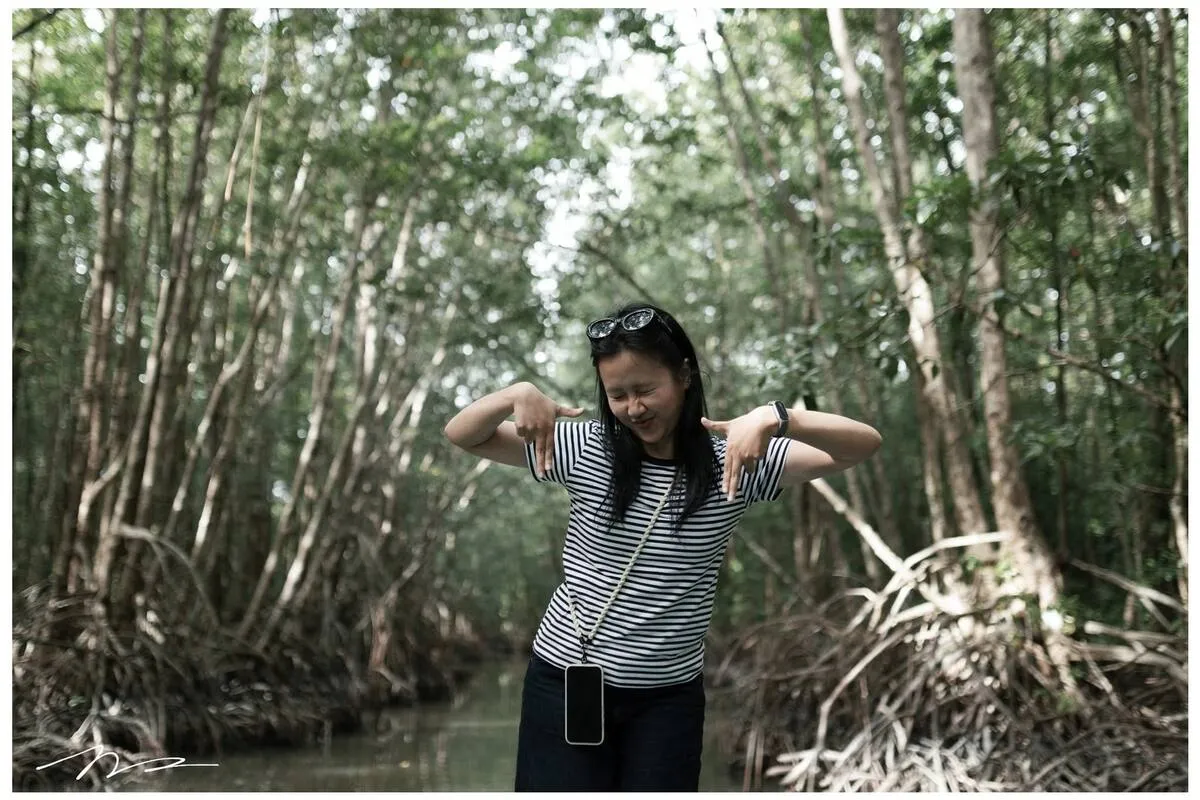
Through Ca Mau Mangrove Forest — A Once-in-a-Lifetime Experience
Destination
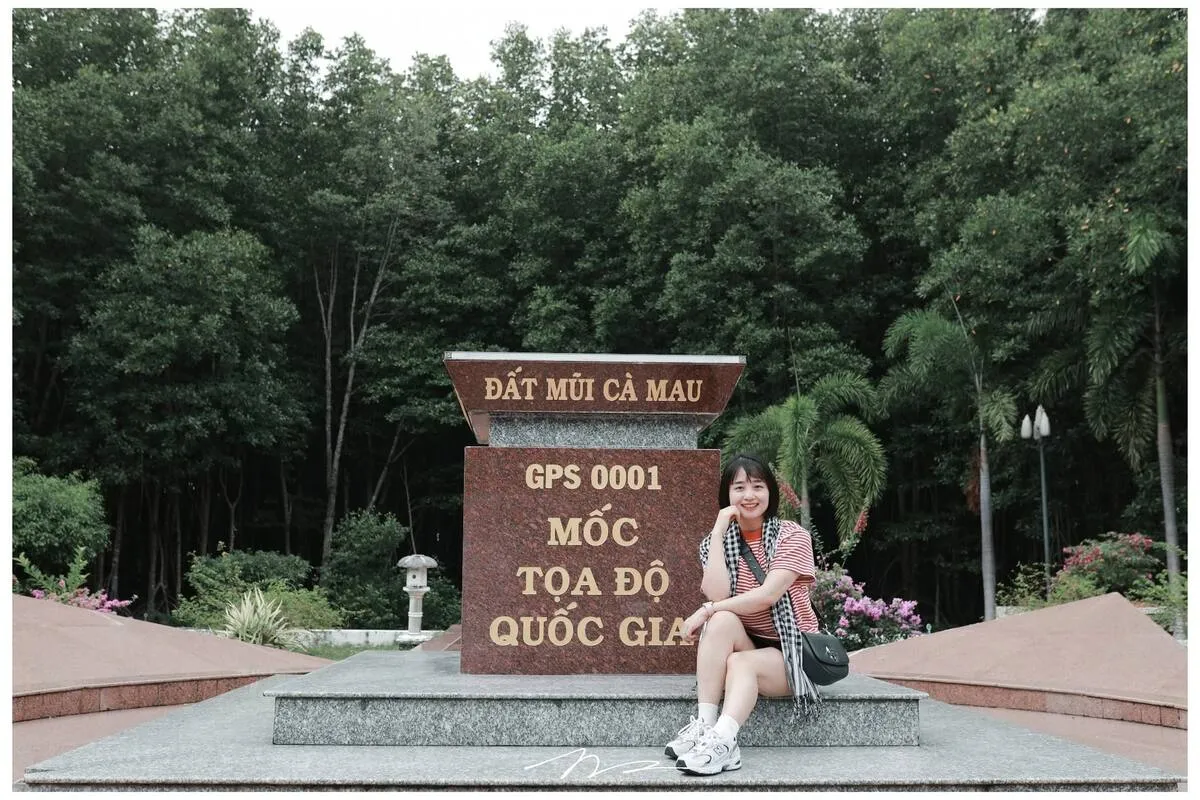
First-Time Ca Mau Cape Travel Guide — Tips From A Local
Comparison
Sapa, Ha Giang or Mekong Delta? Comprehensive Comparison
Adventure
Top 5 Mekong Delta Adventure Tours: Forest Crossing, Crab Catching, Island Hopping

Article Author
Tran Bi (Founder of Ba Ngoai Homestay)
Mr. Tran Bi is an expert in indigenous culture, history, and eco-tourism in Ca Mau with over 10 years of experience guiding guests to experience U Minh Ha forest and Dat Mui.
Experience Authentic Ca Mau Tourism
Join Uncle Ba Khia to explore Dat Mui, cross the mangrove forest, catch crabs, hang bee hives, and stay at Mr. Bi's cool eco-homestay.