Vietnam is a trekking paradise with diverse terrains ranging from the high mountains of the North to the mangrove forests of the South. Each destination offers a completely different trekking experience — not just in terms of scenery, but also culture, ecology, and difficulty. This article summarizes the 3 most outstanding trekking spots, complete with a detailed comparison to help you choose the right tour. Read our comparison of Sapa vs Ha Giang vs Mekong Delta to decide on your first destination.
1. Sapa Trekking — Rice Terraces & Fansipan Peak (3,143m)
Fansipan — the "Roof of Indochina" — can be climbed on foot over 3 days through primary forests with a local H'mong guide, or via a 15-minute cable car ride for an easier option. The foot trek takes you through coniferous forests, rocky streams, and thick fog — with the landscape changing completely at every altitude.
Cat Cat, Y Linh Ho, Ta Van Villages: 1-day trekking through ethnic minority villages, waterfalls, and terraced rice fields. Suitable for all fitness levels. Best seasons: September–October (golden harvest) and March–April (peach blossoms in bloom).
2. Ha Giang Trekking — Dong Van Karst Plateau & Ma Pi Leng Pass
Ma Pi Leng Pass — one of Vietnam's four great mountain passes, standing at 1,200–2,000m, with sheer cliffs overlooking the deep blue Nho Que River. While most tourists travel by motorbike, there are cliffside walking paths that offer a truly breathtaking experience.
Lung Cu Flag Tower — the northernmost point of the country, reached by climbing 389 steps. Buckwheat flowers in October–November blanket the limestone landscape — a unique natural wonder found only in Ha Giang.
3. Ca Mau Mangrove Forest — The Most Unique Trekking in Vietnam (and the World)
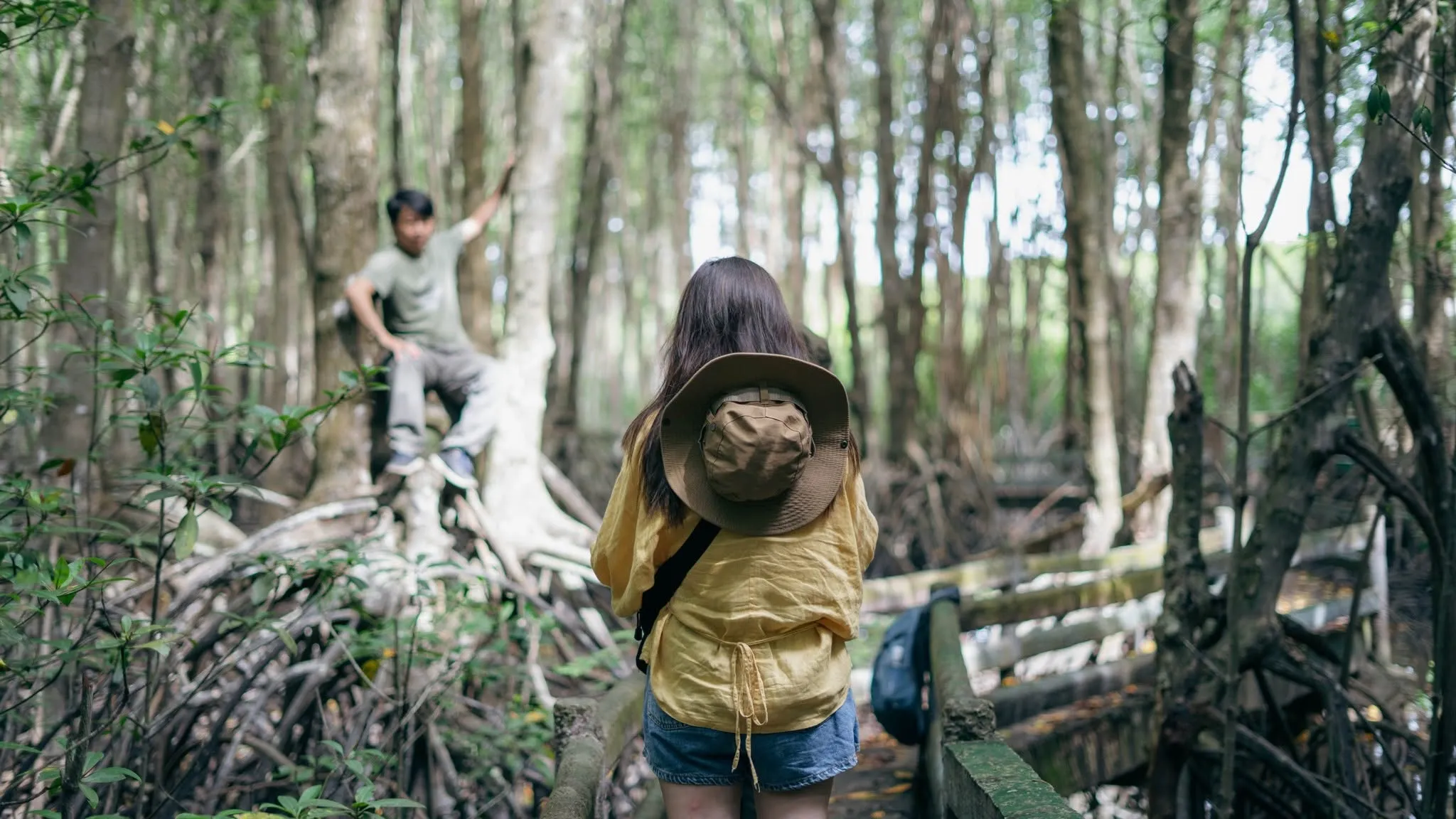
Ca Mau mangrove forest spans over 73,000 hectares — the largest in Southeast Asia and one of the most magnificent mangrove forests in the world. Trekking through the mangrove forest is unlike anywhere else: speedboats zip through narrow canals under a thick green canopy, followed by a walk on wooden trails deep inside the forest.
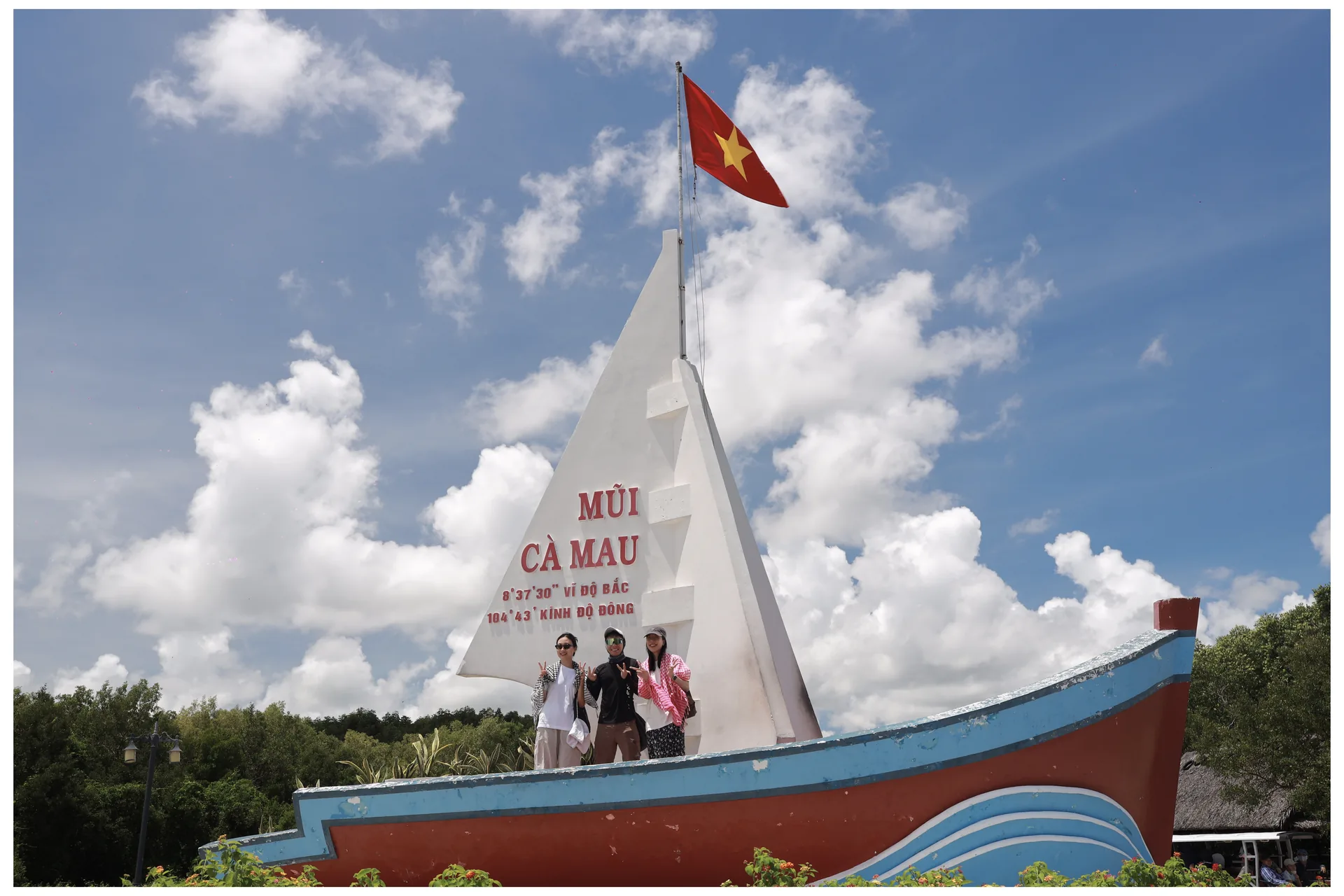
Green crabs climb mangrove roots, water birds take flight, and sunlight filters through the leaves, creating a mythical forest atmosphere. The journey ends at Ca Mau Cape — the southernmost tip of Vietnam — a perfect counterpart to the Lung Cu Flag Tower (the northernmost tip) that many travelers visit. Discover more about the journey to conquer Vietnam's 4 extreme points.
🌟 Many travelers complete the "conquest of both ends of the country": Lung Cu → Ca Mau Cape — the most meaningful journey of a lifetime.
Detailed Comparison of the 3 Trekking Destinations
| Criteria | ⛰️ Sapa | 🏔️ Ha Giang | 🌿 Ca Mau Mangroves |
|---|---|---|---|
| Difficulty | Medium–Hard | Medium | Easy (All ages) |
| Min. Duration | 3D2N | 4D3N | Half day ✅ |
| Main Transport | Walking / Cable car | Motorbike / Walking | Speedboat + Walking |
| Ecosystem | Coniferous forest, terraces | Karst plateau | Mangrove wetland |
| Tour Cost | 800k–3.5M VND | 2.5–4.5M VND | From 890,000 VND ✅ |
| Best Suited For | Photography, fit hikers | Adventure, road trips | Everyone ✅ |
General Tips for Trekking in Vietnam
Frequently Asked Questions About Vietnam Trekking Tours
Is trekking in Ca Mau Cape difficult?
Trekking in Ca Mau mangrove forest is easy — no steep mountains to climb, and no special physical fitness is required. The journey consists of a speedboat ride and walking on wooden forest paths, making it suitable for beginners, families with children, or seniors.
Do I need prior trekking experience?
No prior trekking experience is needed. Unlike Sapa or Ha Giang which require mountain climbing endurance, Ca Mau mangrove trekking is done on flat paths and motorboats — anyone with normal health can participate. Local guides will support you throughout the journey.
How is Mekong Delta trekking different from mountain trekking?
Mountain trekking (Sapa, Ha Giang) mainly involves climbing slopes, navigating high terrains, and viewing mountain landscapes. Ca Mau mangrove trekking is flat and follows waterways, offering a chance to experience a unique wetland ecosystem, see crabs, fish, birds, and observe magical mangrove roots. It is completely different in both terrain and ecology.
What does the Mekong Delta trekking tour include?
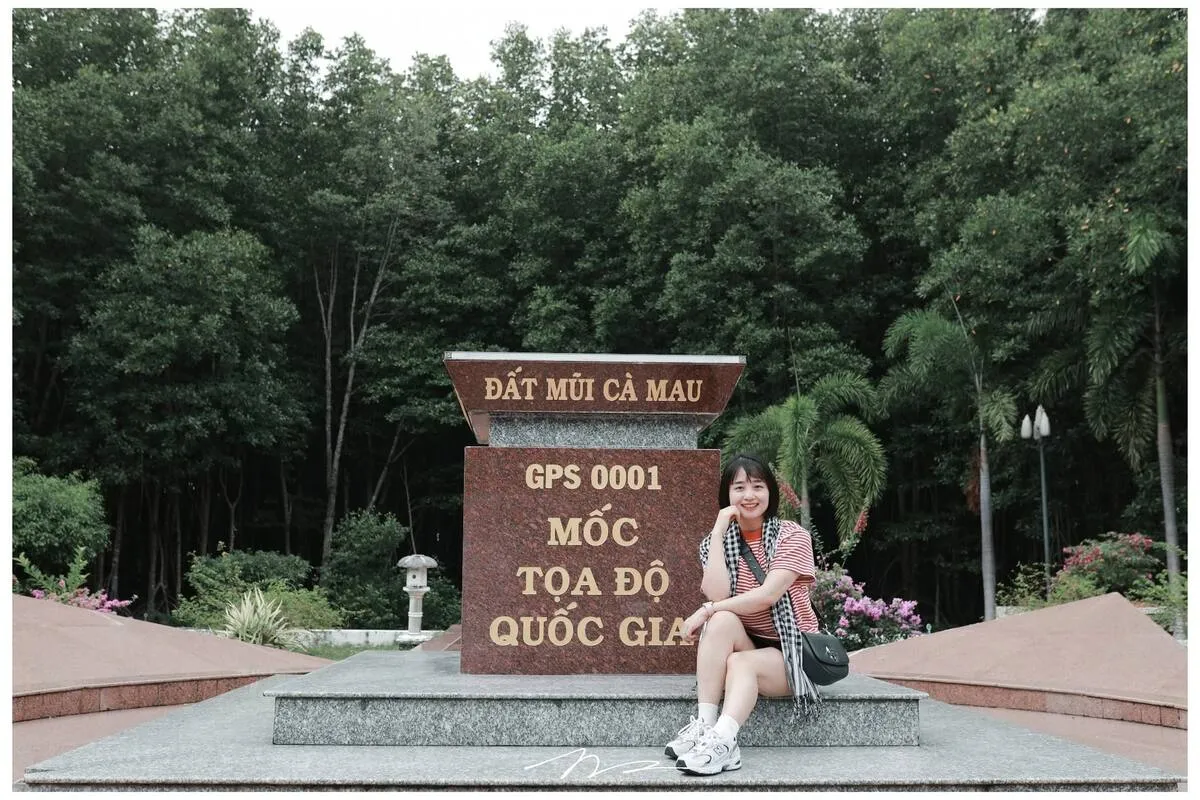
The Ca Mau Cape mangrove forest trekking tour at Ba Ngoai Homestay includes: pickup/drop-off in Ca Mau City, speedboat through the mangrove forest, local guide, fresh seafood lunch at Ca Mau Cape, and entry tickets to the GPS 0001 landmark. From 890,000 VND per guest for groups of 4+ people.
🌿
Book Your Ca Mau Mangrove Forest Trekking Tour Now
Experience the easiest, most affordable, and most unique trekking among the 3 spots — no special fitness required, suitable for all ages. From 890,000 VND/guest, including speedboat, guide, and specialty lunch.
Related Articles
Experience
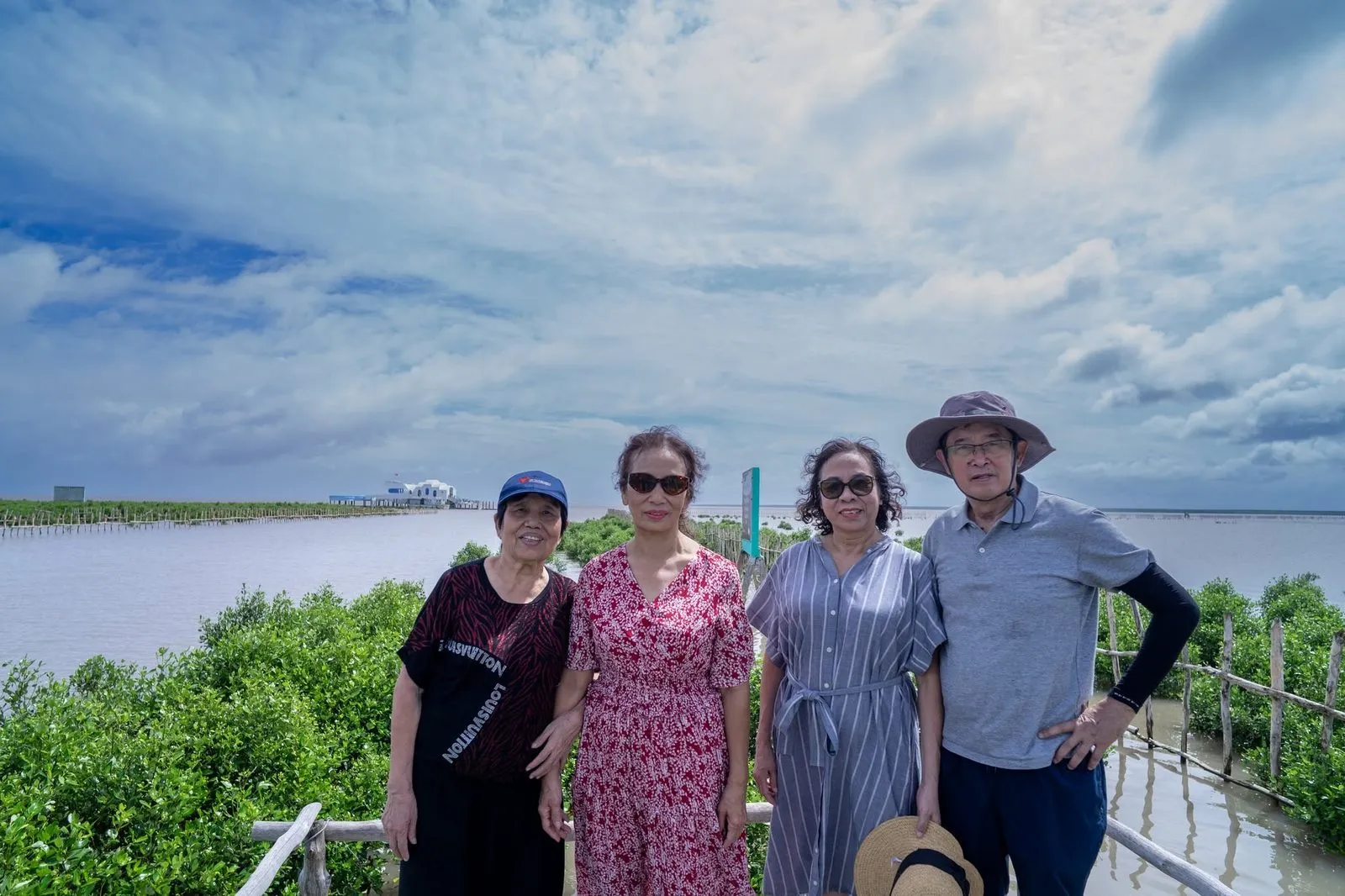
Trekking Through Ca Mau Mangrove Forest — Once in a Lifetime
Destination
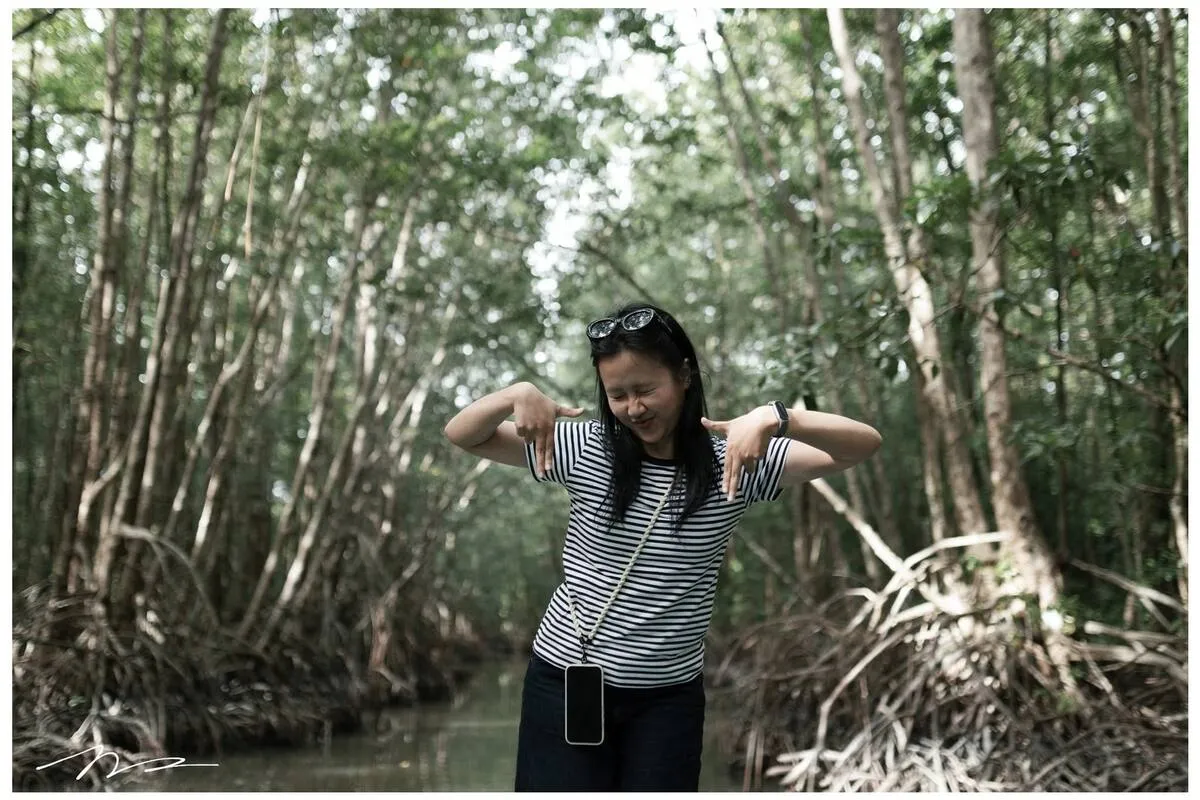
First-Time Guide to Ca Mau Cape — Insider Tips from Locals
Comparison
Sapa, Ha Giang, or Mekong Delta? A Comprehensive Comparison
Adventure
Top 5 Mekong Delta Adventure Tours: Forest Trekking, Crab Catching, Island Crossing

Written by
Tran Bi (Founder of Ba Ngoai Homestay)
Tran Bi is a local tourism expert with over 10 years of experience guiding visitors through Cape Ca Mau and the U Minh mangrove forests.
Experience Ca Mau Ecotourism Firsthand
Join our local guides to explore the mangrove forests, catch mud crabs, harvest wild honey, and stay at our cozy homestay.