In the context of global climate change profoundly impacting the southernmost coastal land of our country, developing sustainable tourism is no longer just a strategic choice, but has become a vital mission. Net Zero-oriented tourism (zero net emissions) opens up a new path: combining nature conservation, honoring indigenous culture, and creating sustainable livelihoods for the community. This essay will deeply analyze how to exploit the characteristic agritourism across 3 ecosystems: Freshwater - Saltwater - Brackish in Ca Mau, along with practical actions to jointly protect the environment by local people in Tran Van Thoi commune.
Article Roadmap
- 1. Concept of Net Zero Agritourism
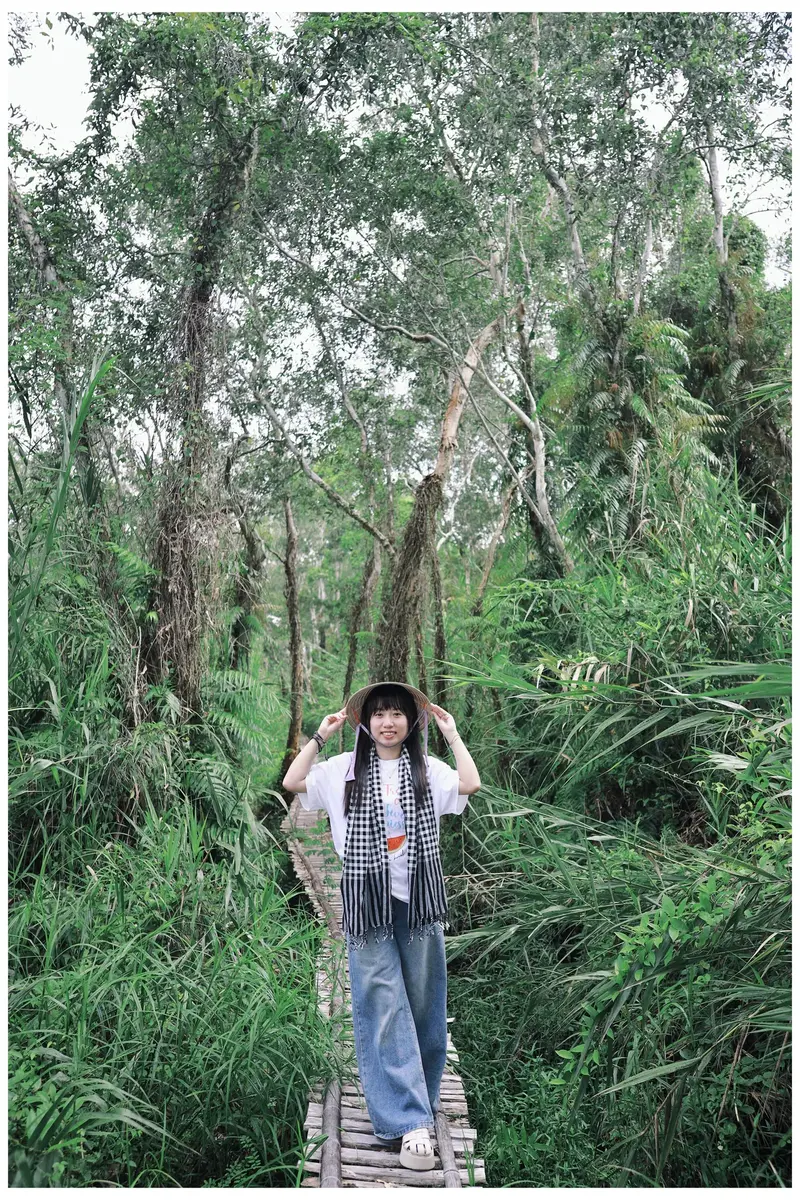
- 2. Freshwater Ecosystem: U Minh Ha Melaleuca Forest & Under-Canopy Tourism
- 3. Saltwater Ecosystem: Dat Mui - Protection Mangrove Kingdom & Mangrove Exploration
- 4. Brackish Water Ecosystem: Tran Van Thoi Ecological Shrimp Ponds & Thi Tuong Lagoon
- 5. Joint Action: Ba Ngoai Homestay's Community Linked Ecosystem
1 Concept of Net Zero Agritourism
Agritourism aiming for Net Zero (Carbon Neutral Tourism) is a model where all travel, accommodation, dining, and experience activities of tourists strive to minimize greenhouse gas emissions (CO2, CH4...). Concurrently, this model utilizes and develops natural carbon absorption capabilities through conserving and planting new forests, and maintaining natural shrimp ponds/orchards.
The core meaning of Net Zero tourism in Ca Mau is not to prohibit experiences, but to optimize natural energy: using hand-rowed boats or new-generation fuel-efficient canoes, consuming self-grown organic food without distant industrial transportation (Zero Mile Food), and strictly protecting the "blue carbon sink" from mangrove ecosystems and U Minh melaleuca forests.
2 Freshwater Ecosystem: U Minh Ha Melaleuca Forest & Under-Canopy Tourism
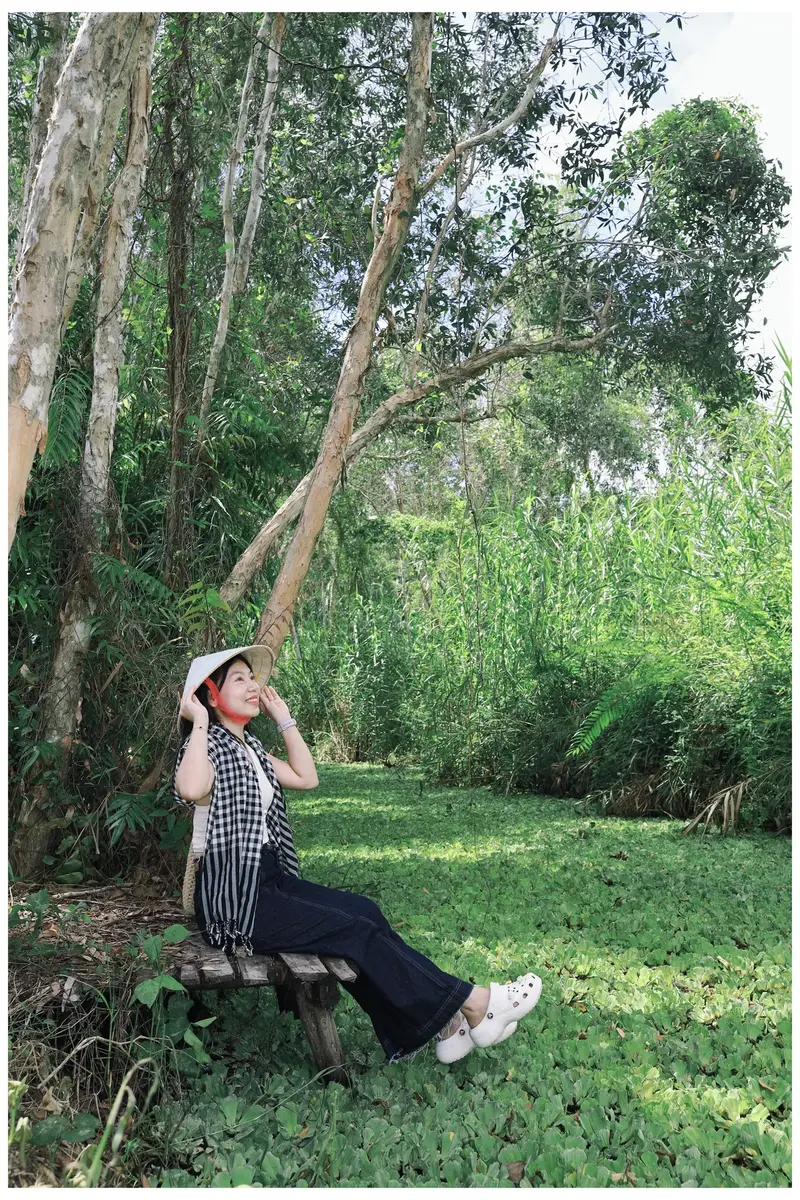
The freshwater zone in northern Ca Mau province (U Minh district and part of Tran Van Thoi commune) is famous for its unique flooded melaleuca forest ecosystem on peat soil. This is an area storing massive amounts of biomass and carbon. The direction of developing freshwater agritourism here is associated with preserving the intact forest canopy and traditional farming methods:
- Honey bee rafter crafting model: This is a unique national intangible cultural heritage. Rafter craftsmen use melaleuca tree trunks placed diagonally in the forest to lure wild honey bees to build hives. Tourists can wear protective gear, take a three-plank wooden boat gliding gently under the cool forest canopy to witness the natural honey harvesting process firsthand, ensuring no harm to the bee colony and no destruction to the melaleuca forest habitat.
- Harvesting countryside freshwater agricultural products: Experience pulling "bon bon" (a specialty freshwater plant), picking wild "choai" vegetables, setting eel traps, and fishing for snakehead fish. These are perfectly green foods, cooked using dried melaleuca firewood naturally fallen in the forest, minimizing the consumption of gas or fossil energy.
3 Saltwater Ecosystem: Dat Mui - Protection Mangrove Kingdom & Mangrove Exploration
Heading down to the southernmost tip, where the East Sea and West Sea converge, the saltwater mangrove ecosystem completely reigns with "duoc" (Rhizophora) and "mam" (Avicennia) trees as the dominant species. The Ca Mau mangrove forest is a solid shield against coastal erosion, and simultaneously one of the most effective "blue carbon sinks" on the planet, capable of sequestering carbon many times higher than terrestrial forests.
Developing saltwater agritourism here centers on mangrove exploration combined with conservation education:
- Cross-Forest Tour by Fuel-Efficient Canoe: Tourists sit on a "vo lai" (composite boat) weaving through a densely interlaced canal system, admiring ancient mangrove roots planted deep into the mud. The route is carefully designed to avoid sensitive breeding areas of wild birds, shrimp, and fish.
- "Afforestation for land reclamation" conservation activity: Tourists have the opportunity to personally plant mangrove propagules into the coastal mudflats. Each sprouting mangrove propagule is not only a hallmark of the trip but also directly contributes to increasing the carbon-absorbing forest area, accelerating the locality's journey towards Net Zero.
4 Brackish Water Ecosystem: Tran Van Thoi Ecological Shrimp Ponds & Thi Tuong Lagoon
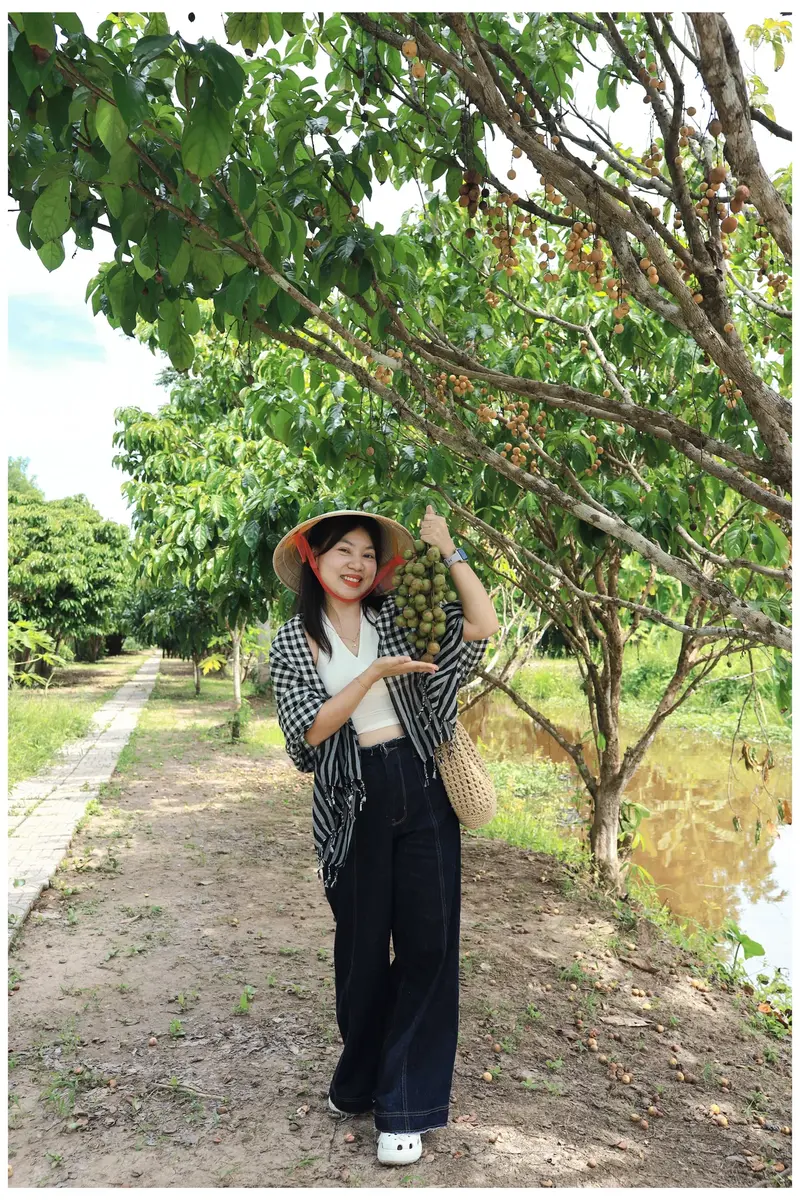
Located in the buffer zone bordering fresh and salt water, the brackish water ecosystem (typically the area around Ong Doc river, Thi Tuong Lagoon, and Tran Van Thoi commune) carries the rich beauty of interlacing rivers. Brackish water agritourism here focuses on the natural ecological shrimp - crab farming model:
- Ecological Shrimp Pond Model Under Forest Canopy (Silvofishery): Black tiger shrimp and Nam Can mud crabs are raised entirely naturally under the canopy of brackish water mangrove forests. No industrial feed, no antibiotics, or water treatment chemicals are used. Shrimp and crabs naturally forage for food from decomposed mangrove leaves and natural microorganisms. This is an extremely low-carbon farming method (Low-Carbon Aquafarming).
- Experience lifting traps to catch ecological crabs: Tourists directly experience the life of a real farmer. On a cool morning, row a boat along ecological ponds to lift traps to catch black tiger shrimp and roe crabs, preparing them directly into a cozy meal at a thatched hut by the river.
5 Community Power & Invitation for Green Tourism Investment
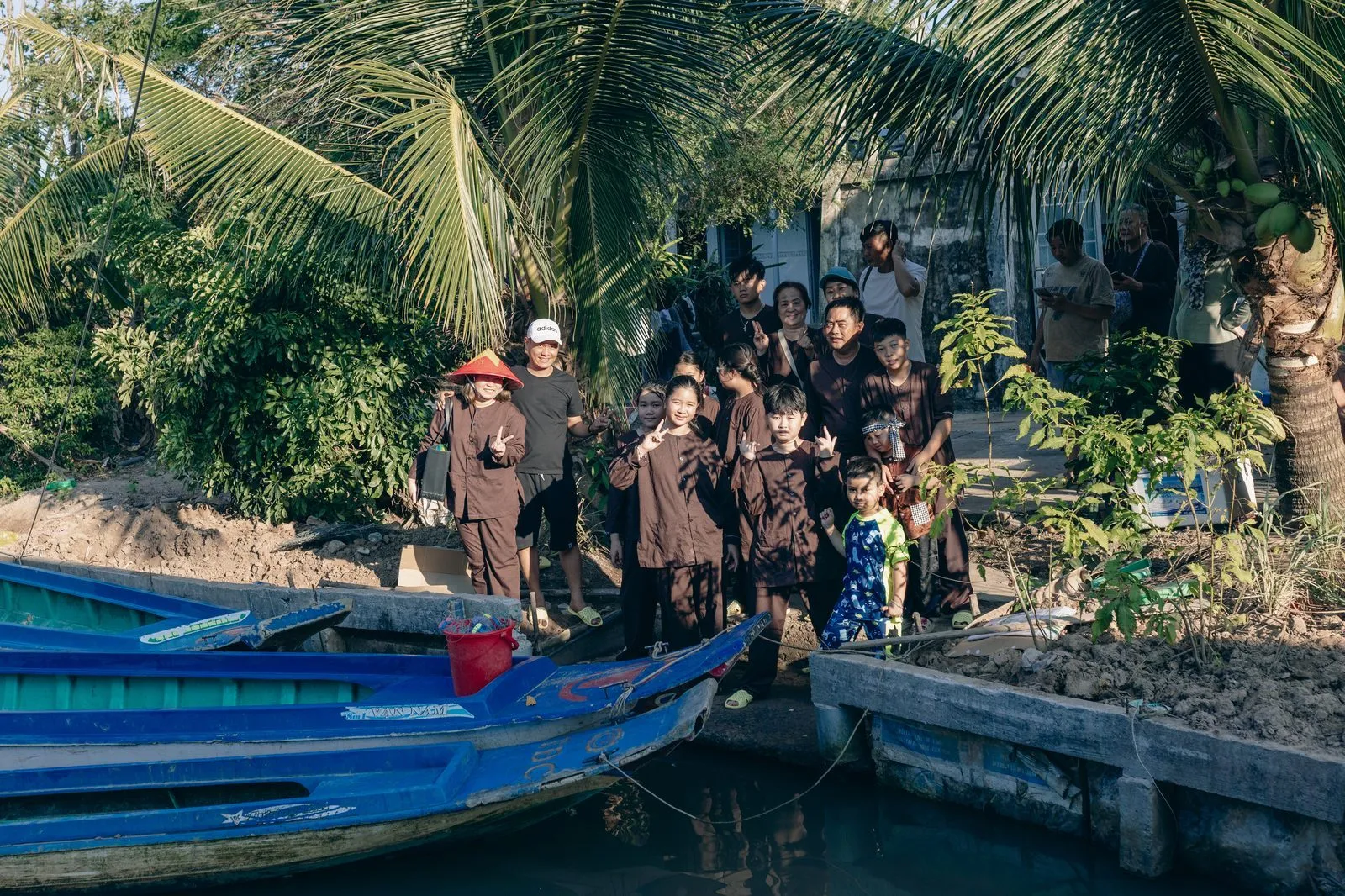
The Net Zero model at Ba Ngoai Homestay places the community at the center of development. Every farmer in Tan Thanh hamlet, Tran Van Thoi commune not only provides raw materials but directly owns indigenous tourism products:
- Natural tourism cooperative alliance: Linking over 20 households farming ecological shrimp, crafting bee rafters, and doing traditional crafts. Transparently distributing revenue, directly contributing to the local community welfare and environmental education fund.
- Preserving indigenous knowledge: Conveying how to preserve the ecosystem through the rustic storytelling of the locals, thereby deeply connecting tourists with the rustic spirit of the Southern land.
Calling for cooperation & green development investment
To replicate the Net Zero model throughout Tran Van Thoi commune and improve tourism infrastructure adapted to climate change, Ba Ngoai Homestay respectfully sends an invitation for cooperation to green investors, social enterprises, and non-governmental organizations:
- Investing in green transportation: Co-developing rowboats, canoes, and "vo lai" powered by solar energy or electric motors to reduce greenhouse gas emissions on rivers and canals.
- Transferring waste treatment technology: Building small-scale waste classification and microbial organic composting systems serving circular agriculture right at affiliated households.
- Upgrading low-carbon eco-huts: Developing a smart accommodation model using natural materials combined with clean energy, providing comfort but not disrupting the pristine landscape.
*For any information exchange, cooperation, or project survey, please contact the Management Board via Zalo/Hotline: 0919 244 834 (Mr. Bi).*
By harmoniously combining the 3 specific ecosystems (Freshwater - Saltwater - Brackish), the goal of reducing carbon emissions, and the power of the farming community, Ca Mau agritourism is proudly asserting its green position on the Vietnam map step by step. Every tourist visiting Ngoai's house not only finds peace in their soul but also directly joins hands to plant more mangrove trees, keep more melaleuca rows, preserving the southernmost land always green and clean for future generations.

Article Author
Tran Bi (Founder of Ba Ngoai Homestay)
Mr. Tran Bi is an expert in indigenous culture, history, and ecotourism in Ca Mau with over 10 years of experience leading tourist groups to experience U Minh Ha forest and Dat Mui.
Experience Real Ca Mau Tourism
Let's explore Dat Mui with Uncle Ba Khia, go through the mangrove forest, catch crabs, do bee rafting, and stay at Mr. Bi's cool ecological homestay.