Every year, when the autumn rains pour down, the reddish alluvial waters from the upper Mekong River flow down to the lower basin, marking the beginning of the Mekong Delta flood season. Not merely a natural phenomenon providing abundant aquatic resources, the flood season also creates magnificent landscapes, attracting millions of travel enthusiasts. Let's explore the most detailed guide to the Mekong Delta flood season in 2026 below.
Table of Contents
1 When is the Mekong Delta Flood Season?
The flood season (also known as the beautiful flood season) in the Mekong Delta usually lasts from late August to November in the solar calendar (around July to October in the lunar calendar). The water rises gradually rather than fiercely like the floods in Central Vietnam.
- August - September: The early stage of rising water. Trees awaken and turn lush green. Young Linh fish begin to appear along the upstream areas of An Giang and Dong Thap.
- October: The peak of the flood season. Entire fields are flooded in blue water, with ghost water lilies blooming white across the horizon.
- November: The water recedes. This is when fish and shrimp are most abundant, and local people are busy harvesting the late-year aquatic crops.
2 Top 4 Beautiful Destinations in the Flood Season
Tra Su Cajuput Forest (An Giang)
Known as the "green sanctuary" of An Giang, Tra Su Cajuput forest during the flood season is covered with a lush green layer of duckweed like a giant velvet carpet. Experiencing a three-leaf boat gently gliding over the duckweed, listening to birds singing on the ancient cajuput canopy will bring a sense of absolute relaxation.
Tram Chim National Park (Dong Thap)
The flood season is when thousands of migratory birds gather at Tram Chim to nest and forage. You will ride a dinghy navigating through the pink lotus fields and vibrant water lily fields, admiring the brilliant yellow-headed flowers blooming under the golden sun.
Cai Rang Floating Market (Can Tho)
The floating market bustles all year round, but the flood season brings the most abundant fruit yield and plentiful fish and shrimp. Enjoying a hot bowl of Hu Tieu and a fragrant cup of slow-drip coffee right on a bobbing boat at sunrise is an unmissable experience.
Tran Van Thoi & Ba Ngoai Homestay (Ca Mau)
The southernmost tip of Dat Mui during this season is flooded with saltwater mixed with freshwater. This is the time when Nam Can crabs are the most full of roe, and tiger shrimp are plump in the vast ecological farming ponds. Ba Ngoai Homestay in Tran Van Thoi offers an extremely authentic experience of wading into the ponds to cast fishnets, pulling traps to catch crabs, and enjoying riverside BBQ.
3 Rich Flavors of Flood Season Specialties
If you have the chance to visit the Mekong Delta during the flood season, you must try the exquisite dishes crystallized from the alluvial river waters:
Linh fish hotpot with Sesbania flowers
Young Linh fish with soft bones and sweet meat cooked in a mildly sour tamarind broth, dipped with bright yellow Sesbania flowers freshly picked from the branch, creates an unforgettable flavor.
Ghost water lilies squeezed and dipped in braised fish sauce
Ghost water lilies only grow wild when the water rises. The crispy and sweet lily stems dipped in rich and rustic braised fish sauce with lemongrass and chili perfectly complement rice.
Clay jar roasted field mouse
Field mice that feed on ripe rice during the flood season are extremely clean and plump. Roasted in a clay jar to a fragrant aroma and dipped in lemon chili salt, it tastes as delicious as chicken.
Lemongrass steamed Nam Can crab
Natural sea crabs during the rising water season are firm-fleshed and rich in creamy red roe, perfectly matched with authentic Dat Mui pepper, salt, lemon, and chili dip.
4 What's Special About Ca Mau & Tran Van Thoi in Flood Season?
Unlike An Giang and Dong Thap, which are completely flooded with freshwater, the mangrove swamps of Ca Mau (especially in Tran Van Thoi and Nam Can communes) have a unique harmony during this season. The abundant freshwater from the Tien and Hau rivers pours down to push back the salinity, helping plankton thrive. This is a golden opportunity to experience exclusive local activities:
5 Practical Experience & Important Tips
- Light clothing: You should wear comfortable T-shirts, strappy sandals, and non-slip sandals instead of high heels or cloth shoes that easily get wet.
- Waterproof bags: Protect your phone, camera, and drone carefully because traveling by ferry and three-leaf boat is very prone to water splashes.
- Mosquito and insect repellent: During the flood season, mosquitoes in the mangrove forest thrive. Preparing Soffell mosquito repellent cream or lemongrass essential oil is mandatory.
- Contact in advance to avoid overload: The flood season is the peak season for eco-tourism. Book your homestay room and canoe tickets at least 1-2 weeks in advance.
Experience the Awesome Flood Season at Ba Ngoai Homestay
For a very affordable cost, come to grandma's house to enjoy sweet Nam Can crab hotpot, go spotlighting for night three-striped crabs on a motorboat, and cast lines to catch fresh wild fish yourself!

Article Author
Tran Bi (Founder of Ba Ngoai Homestay)
Mr. Tran Bi is a local cultural, historical, and eco-tourism expert in Ca Mau with over 10 years of experience guiding tour groups to experience U Minh Ha forest and Dat Mui.
Authentic Ca Mau Travel Experience
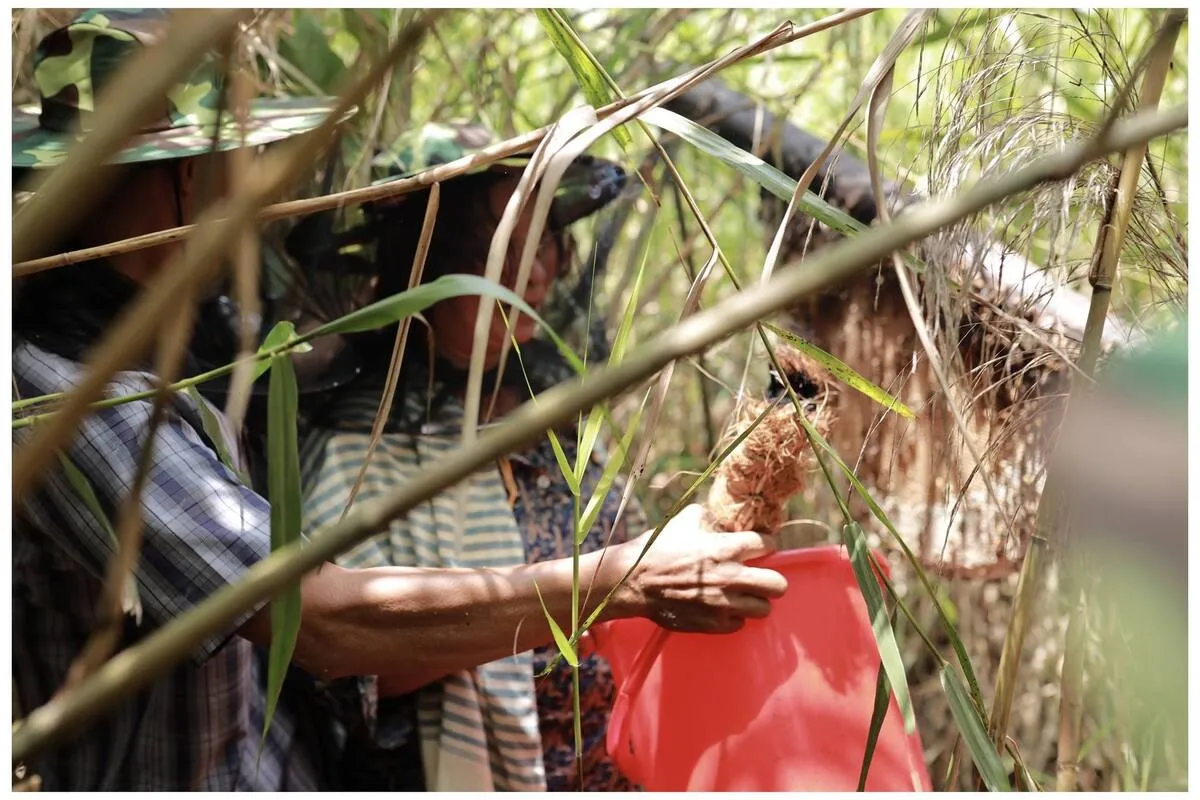
Join Uncle Ba Khia to explore Dat Mui, wade through mangrove forests, catch crabs, harvest honey from bee nests, and stay at Mr. Bi's cool eco-homestay.