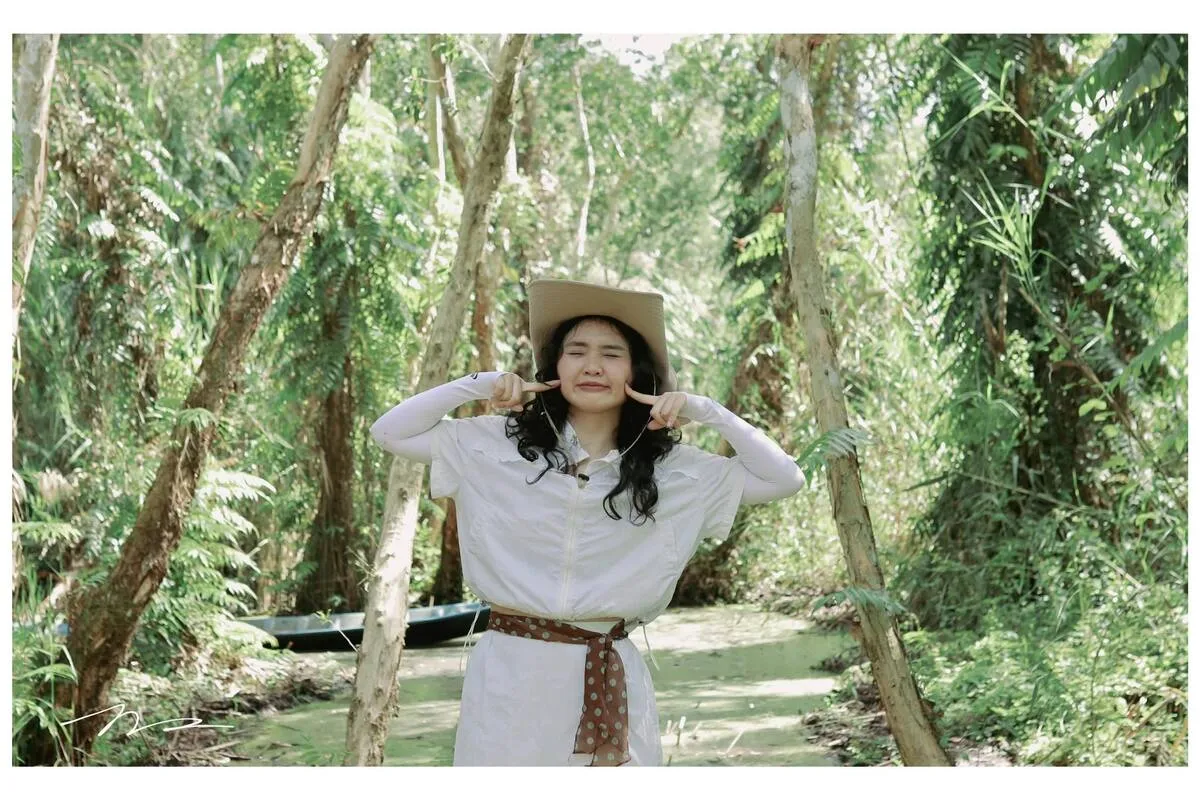
If Cape Ca Mau is a "national pride" check-in spot, then U Minh Ha Forest is where you can experience the most authentic Mekong Delta life — sitting on a motorboat navigating through cool green melaleuca forests, learning how to attract wild bees (gác kèo ong) from skilled foresters, and tasting pure wild honey right on the spot. This is a journey you cannot find anywhere else in the world.
1. What is U Minh Ha?
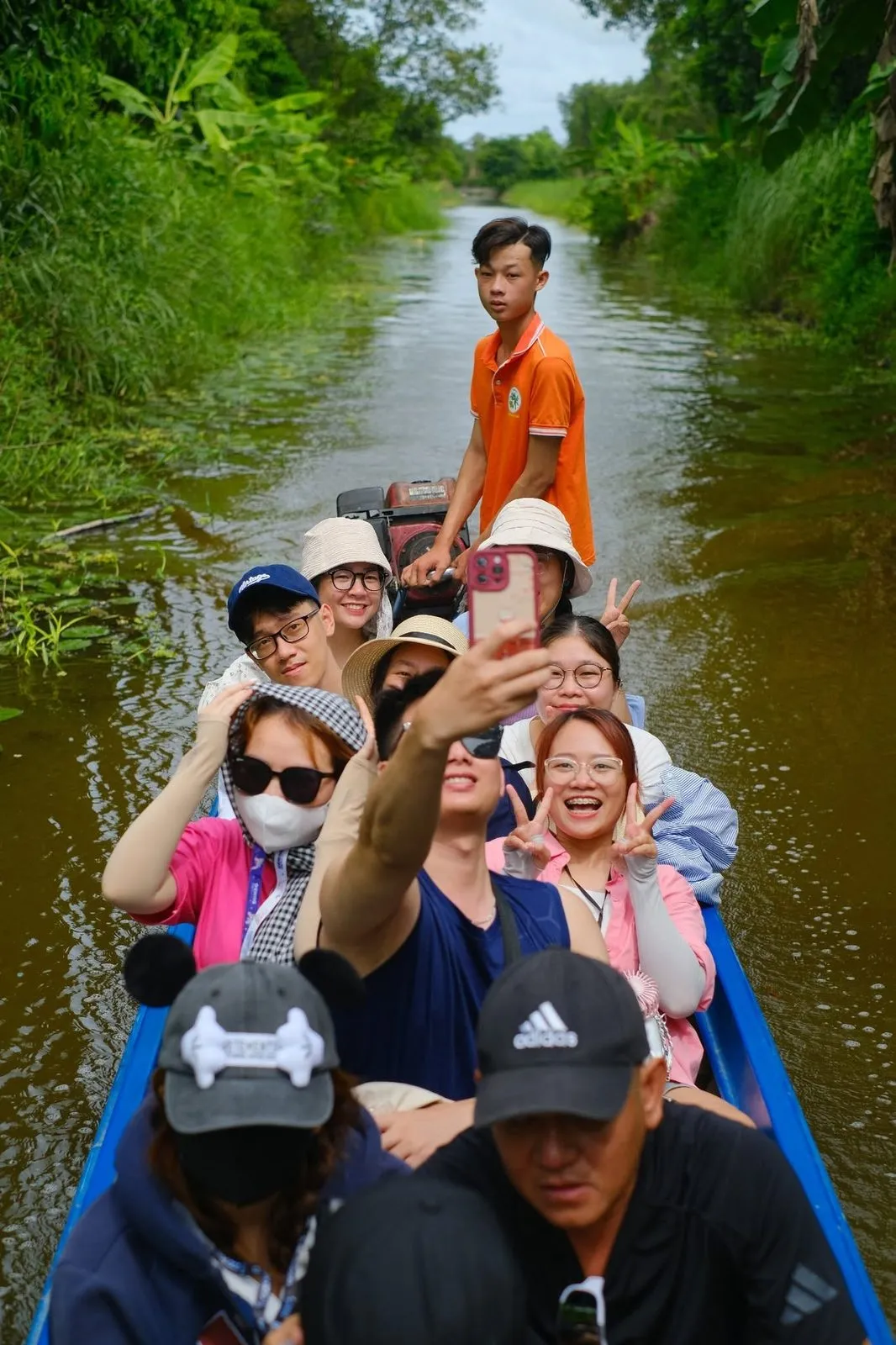
U Minh Ha is a freshwater melaleuca swamp forest covering over 8,500 hectares in U Minh district and Tran Van Thoi commune, Ca Mau province. Together with U Minh Thuong in Kien Giang, it is part of the World Biosphere Reserve recognized by UNESCO in 2009 — one of the largest mangrove and melaleuca forests in Southeast Asia. To understand more details about this unique ecosystem, check out the article U Minh Ha National Park.
The uniqueness of U Minh Ha lies in the melaleuca forest ecosystem on peat soil — a rare soil type in the world, formed from thousands of years of accumulated decomposed leaves. Beneath the lush green melaleuca canopy is a complex system of canals, home to snakeheads, eels, snakes, turtles, and especially wild honey bees — the most valuable resource for the locals here.
During the resistance war, U Minh Ha was an important revolutionary base, known as the "sacred U Minh Ha forest" in poetry and history. Today, it attracts visitors with its intact wilderness and rare rustic experiences.
2. Unique Experiences in U Minh Ha
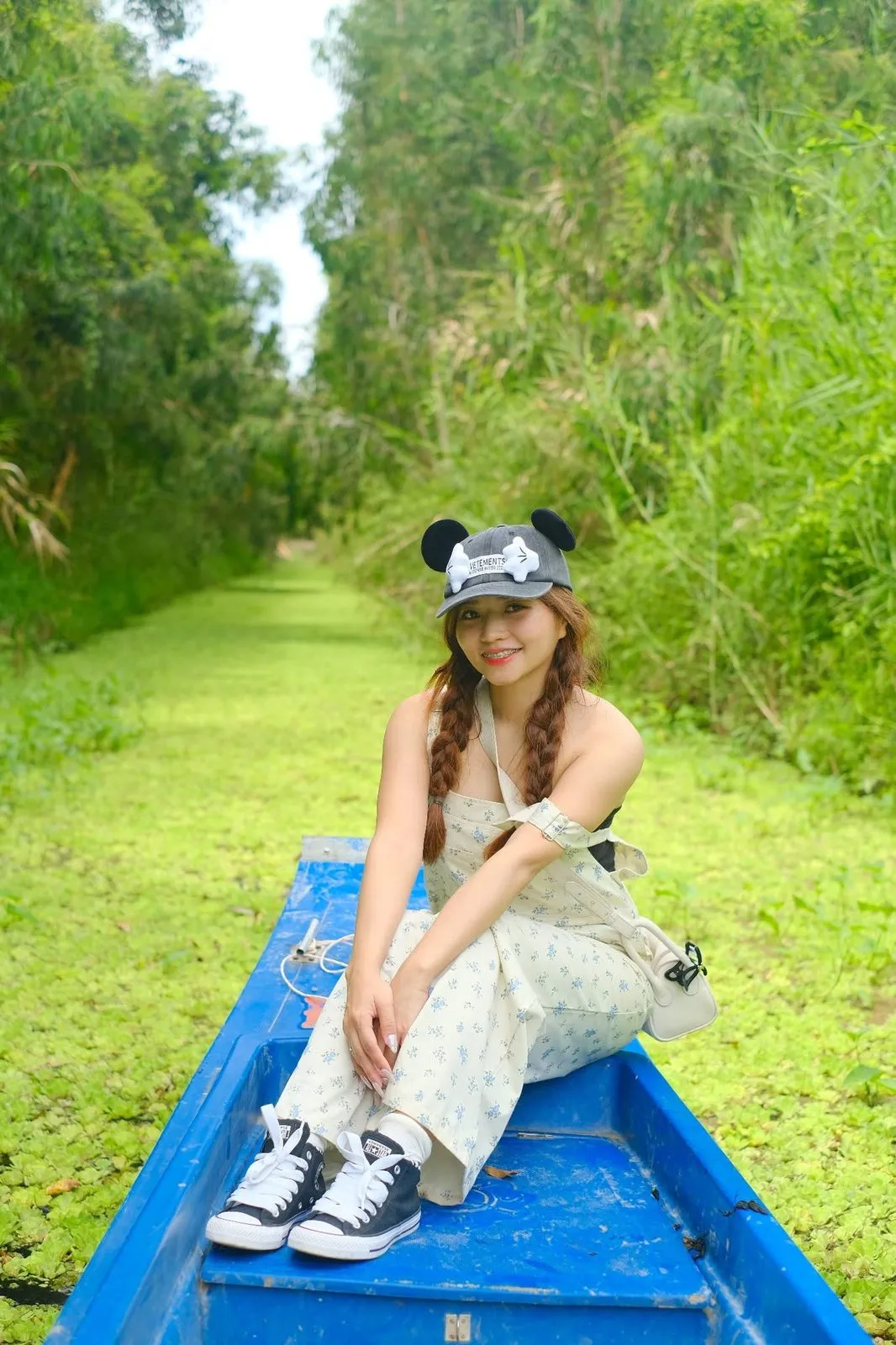
Motorboat Through the Melaleuca Forest
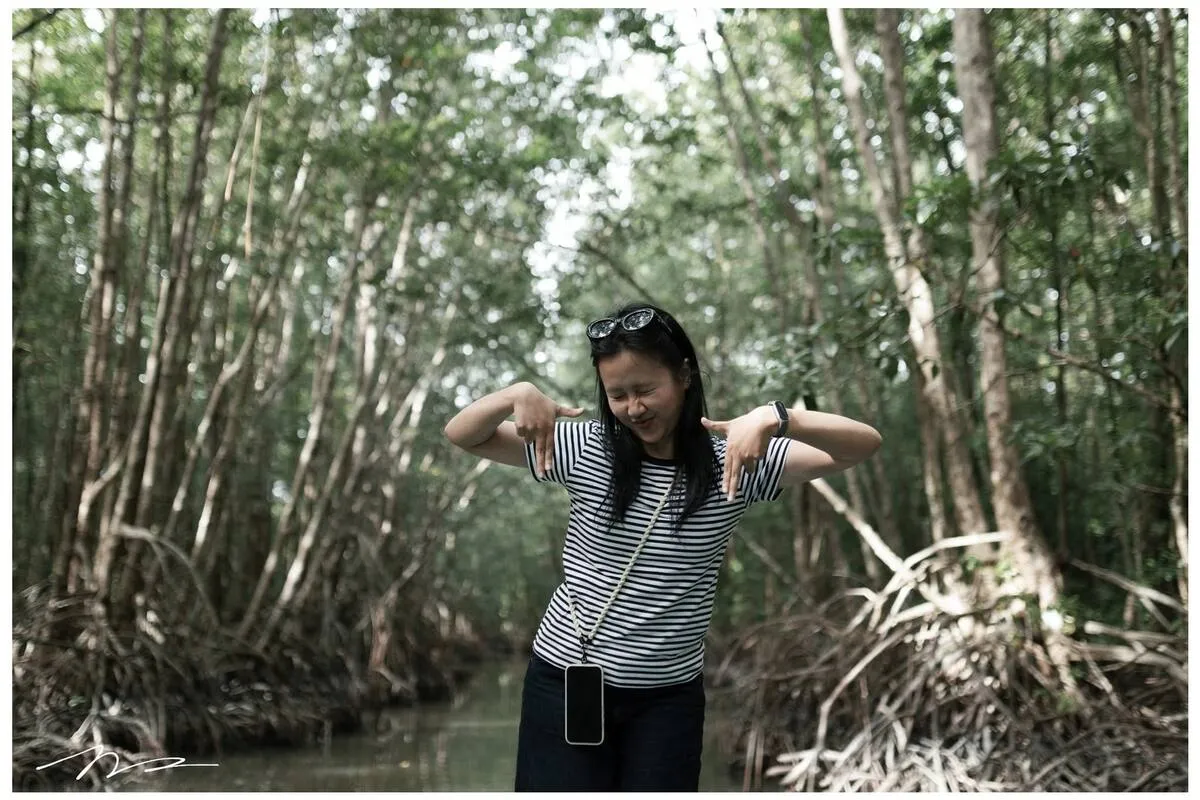
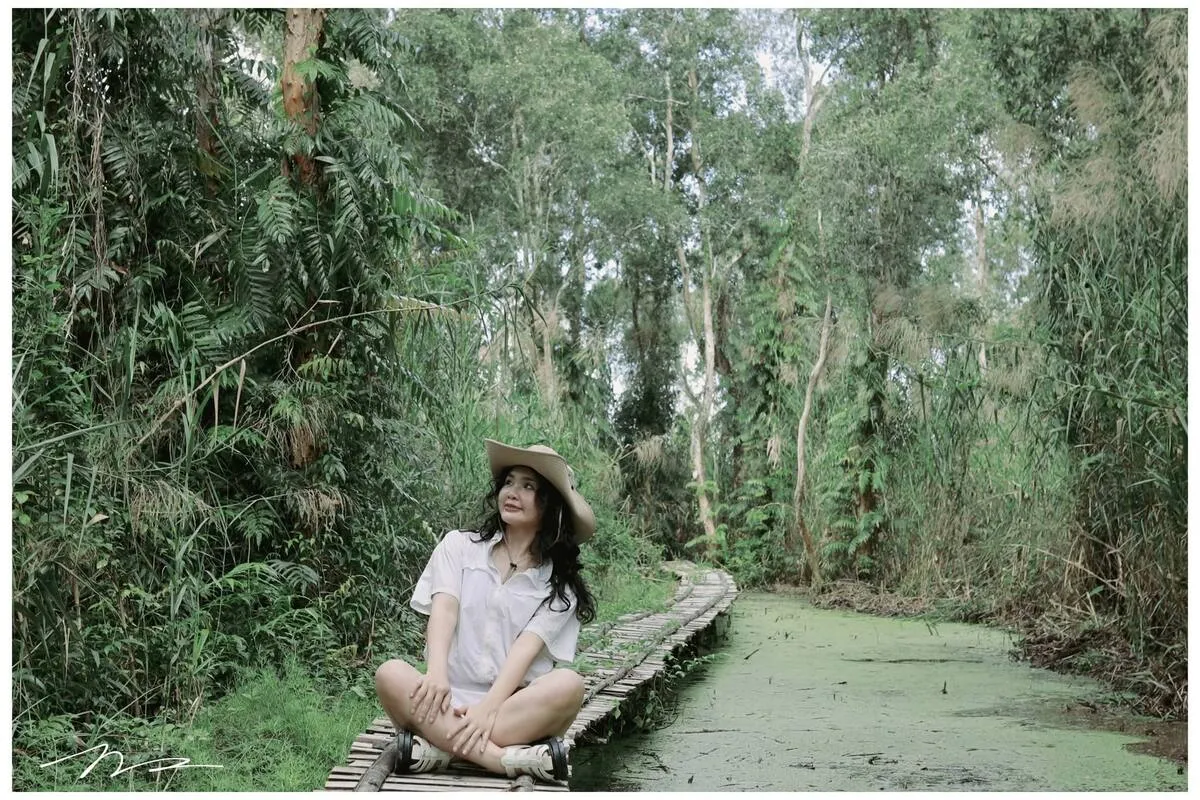
Sit on a motorboat navigating through small canals in the melaleuca forest — calm water surface, overlapping canopies, the low sound of the engine mixed with birdsong. This experience makes you feel truly immersed in wild nature.
Eating Bee Larvae & Fresh Honey
Foresters will take down the honeycomb and let you eat bee larvae — sweet, nutty, and protein-rich. Fresh honey scooped straight from the comb, sipped right there — a sweet, pure taste you won't find anywhere else.
Setting Traps for Fish & Eels
Learn how to set and collect "lợp" — traditional fish and eel traps of U Minh people. Whatever you catch will be prepared into a fresh, incredibly delicious lunch on the spot.
Listening to the Forest & Bird Watching
U Minh Ha is home to over 150 bird species, including many rare ones. In the early morning, birdsong in the melaleuca forest is the most beautiful sound of nature you'll ever hear.
3. Gác Kèo Ong (Wild Bee Keeping) — A Traditional Craft Unique to Vietnam
This is what makes U Minh Ha different from all other tourist destinations in Vietnam. "Gác kèo ong" is a traditional craft with hundreds of years of history, found only in the U Minh region.
Foresters use wooden poles (called "kèo") about 1–1.5m long, carved and treated with wild honey to attract natural bees to build nests. These poles are placed on melaleuca branches at a moderate height. After a few weeks, wild bees will find them and build their hives on the poles. The beekeeper then harvests the honey periodically without destroying the hive — an incredibly sustainable way to harvest from nature.
In 2024, the U Minh bee-keeping craft was recognized as a National Intangible Cultural Heritage. When you take the U Minh Ha Tour (from 590,000 VND) with Ba Ngoai Homestay, you will be directly guided by foresters about this craft and witness firsthand how honey is harvested from natural hives.
4. When is the Best Time to Visit U Minh Ha?
February to April is the golden time to visit U Minh Ha because this is when bees produce the most honey of the year. During the dry season, the water is clearer, the melaleuca forest blooms with white flowers, attracting millions of bees to build nests. U Minh honey in these months is the sweetest and most flavorful.
Calendar by month:
- February–April (Best): Dry season, lots of honey, melaleuca flowers blooming, easy to row boats
- May–July: Start of the rainy season, greener forest, still has honey but less
- August–October: Flooding season, easier by boat but harder to walk into the forest
- November–January: End of the year, bees start making honey again, cool weather
5. What to Eat in U Minh Ha?
U Minh Ha's cuisine is a distinct chapter — wild, rustic dishes with ingredients from the forest and rivers prepared in the traditional local way. Check out more Ca Mau specialties and what to buy as gifts if you want to bring these flavors home:
Eel Stewed with Noni Leaves (Lươn Um Lá Nhầu)
Field eel stewed with sour noni leaves — a signature dish of the U Minh region. The mild sourness of the noni leaves blends with the rich eel meat, perfect when eaten with white rice.
Bee Larvae Salad (Gỏi Nhộng Ong)
Young bee larvae are mixed in a salad with herbs, tamarind, and chili. Crunchy, rich, and exotic — this is a daring dish that 90% of visitors love after trying.
Caramelized Climbing Perch (Cá Rô Kho Tộ)
U Minh field climbing perch caramelized in a clay pot with pepper and coconut water — sweet meat, flavorful, an unforgettable lunch when eaten with hot rice.
Deep-fried Bee Larvae (Ong Non Chiên Bột)
Young bees (bee larvae) battered and deep-fried to a golden crisp — a rare specialty dish, rich in protein, with an indescribably nutty flavor. Only U Minh has enough fresh ingredients for this.
Sour Snakehead Fish Hotpot (Lẩu Cá Lóc Nấu Chua)
Fresh field snakehead fish cooked in a sour hotpot with tamarind, pineapple, tomatoes, eaten with wild vegetables picked on the spot. The perfect end to a day of exploring the forest.
6. How to Get to U Minh Ha
U Minh Ha is about 30–35km from the center of Ca Mau City by road; traveling by motorbike or car takes about 45 minutes. However, visitors should book an all-inclusive tour to have transportation and a local guide, as the forest is quite complex and easy to get lost in if traveling alone. Check out how to travel from HCM to Ca Mau if you are departing from Saigon.
Tips when traveling:
- The area has weak cell signal — download an offline map before going
- The nearest ATM is in U Minh district — bring enough cash
- The road into the forest has sections of red dirt — can be slippery after rain
- Tour with Ba Ngoai Homestay: door-to-door pick-up, no need to worry about transportation
7. Tips When Visiting U Minh Forest
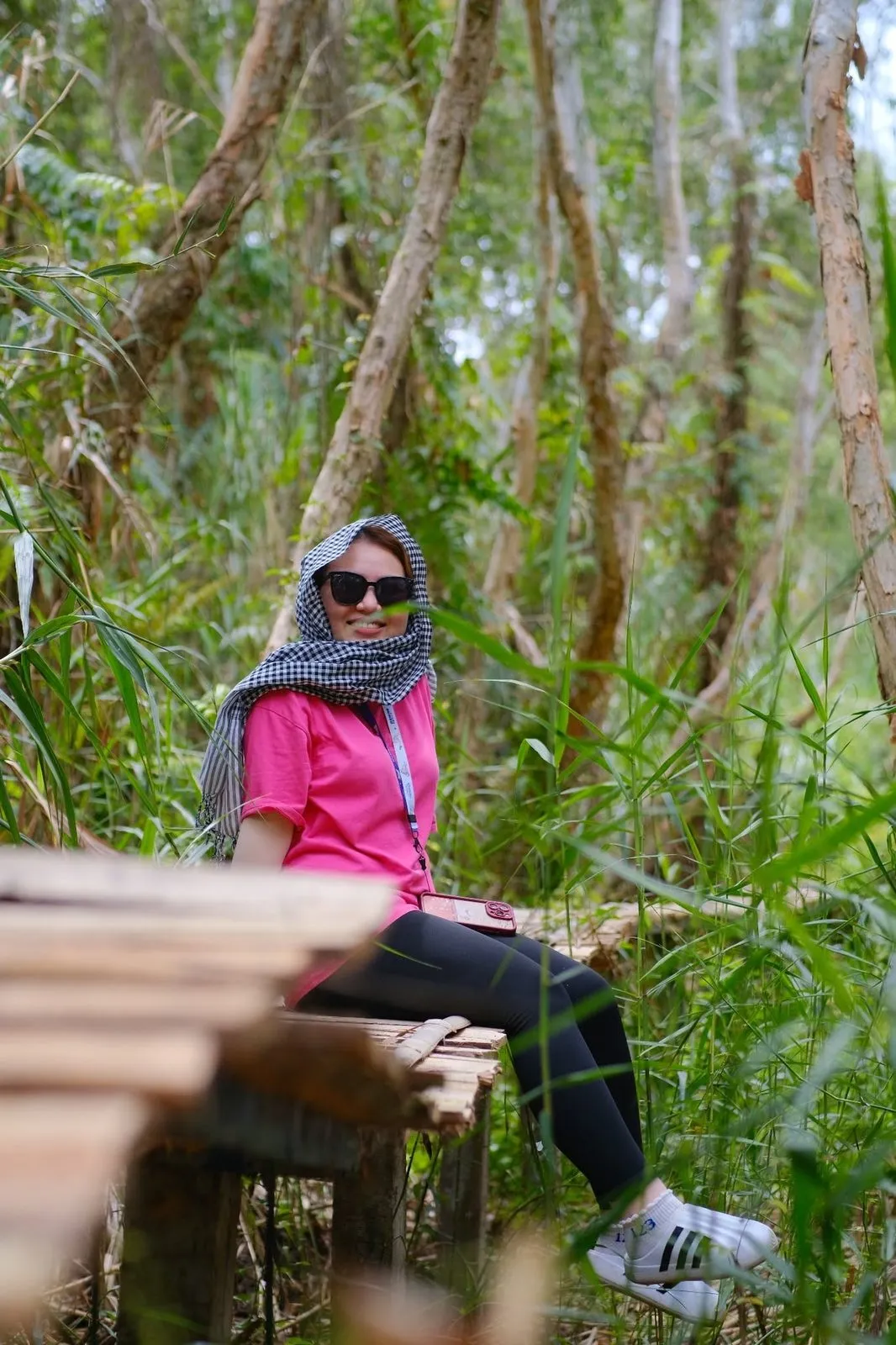
- ⚠️Wear long pants and long sleeves: Protects from mosquitoes and insects in the forest. The homestay has traditional 'bà ba' shirts for rent/borrow.
- ⚠️Use mosquito repellent: Bring DEET mosquito spray, especially in the afternoon when mosquitoes are most active.
- ⚠️Do not bring strange food into the forest: Protect the ecosystem, do not litter in the forest.
- ✅Listen to the guide: Local foresters have years of experience and understand the forest better than anyone.
- ✅Bring a waterproof camera: When rowing, water splashing is common. A waterproof zip bag for your phone is essential.
Frequently Asked Questions About U Minh Ha Forest
Do I need to buy a ticket to enter U Minh Ha Forest?
Can I swim in the U Minh melaleuca forest?
Which is the most beautiful season in U Minh Ha?
How long does it take from Ca Mau City to U Minh Ha?
References
To ensure objectivity, scientific accuracy about the ecosystem and local history, the information in this article has been cross-referenced with official sources:
- Decision No. 112/2006/QD-TTg of the Prime Minister of Vietnam on the establishment of U Minh Ha National Park, defining the scale of ecological conservation.
- UNESCO's Man and the Biosphere (MAB) Programme: Dossier for recognition of Cape Ca Mau World Biosphere Reserve (including U Minh Ha conservation area).
- Department of Culture, Sports and Tourism of Ca Mau Province: Monograph on researching intangible culture and developing ecological tourism models in alum-flooded melaleuca forests.
Experience U Minh Ha Forest Now!
1-day tour from 590,000 VND/guest, including pick-up, specialty lunch, and local forester guide.
Related Articles

Written by
Tran Bi (Founder of Ba Ngoai Homestay)
Tran Bi is a local tourism expert with over 10 years of experience guiding visitors through Cape Ca Mau and the U Minh mangrove forests.
Experience Ca Mau Ecotourism Firsthand
Join our local guides to explore the mangrove forests, catch mud crabs, harvest wild honey, and stay at our cozy homestay.